Wool fabrics and wool rugs require gentle care to maintain their texture and avoid damage. This guide outlines practical, field-tested steps for spot cleaning wool using safe, fiber-friendly products designed for delicate fibers. Readers will learn a straightforward method to remove stains without fully washing, preserving fit and finish.
With the right approach, spot cleaning wool can be quick, effective, and safe for most wool items. The process emphasizes using gentle cleaners, testing in inconspicuous areas, and acting promptly on spills to prevent setting.
Quick Answer
Spot clean wool by blotting the stain, applying a fiber-safe cleaner, working from the outside in, and rinsing lightly to remove residue. Always test on an inconspicuous area first and air dry flat when possible.
What You’ll Need
- wool fabric spot cleaner spray for delicate fabrics
- stain remover pen for wool garments
- enzyme wool rug spot cleaner kit
- delicate fabric cleaning brush set for wool
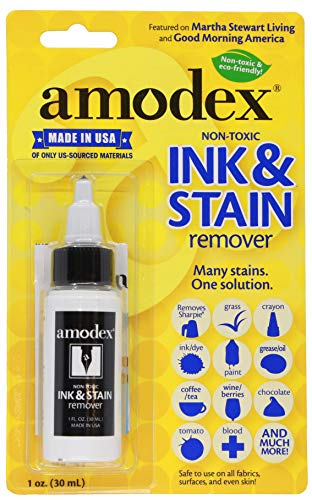
- fiber-safe wool garment stain remover liquid


Before You Start
Identify the wool item type (garment, rug, or upholstery) and check care labels for any prohibitions against certain cleaners. Perform a patch test on an inside seam or hidden area. Work on fresh stains promptly to prevent setting. Use cold or lukewarm water; hot water can shrink or set stains. Maintain a gentle touch to avoid felting or fabric distortion. Plan for a complete drying period to prevent mildew or odor.
Cautions include avoiding chlorine bleach, avoiding abrasive scrubbing, and not saturating wool fibers. For fragile or heavily soiled wool items, consider professional cleaning.
Step-By-Step: How To Spot Clean Wool
- Lay the item on a clean, dry surface. If cleaning a garment, turn it inside out to protect the surface finish.
- Blot the stain with a clean, white cloth to remove excess liquid. Do not rub, which can spread the stain and fuzz the fibers.
- Apply a wool fabric spot cleaner spray for delicate fabrics or a fiber-safe wool garment stain remover liquid to the stained area, following the product directions.
- Gently work the cleaner from the outside of the stain toward the center using a soft delicate fabric cleaning brush set for wool to lift the stain without abrading fibers.
- Allow the cleaner to sit for a short dwell time indicated on the product label. Avoid letting it dry completely on the surface.
- Blot again with a clean cloth to lift loosened stain and any cleaning residue. If needed, repeat treatment in small increments.
- Rinse lightly with a damp cloth or sponge using cold water to remove cleaner residue. Avoid soaking the fabric.
- Press gently with a dry towel to absorb moisture and reshape fibers. Lay flat to air dry away from direct heat or sunlight.
- For rugs, use the same method in small sections, ensuring the backing remains dry to prevent warping.
- Once dry, brush lightly with the wool brush to restore nap and keep fibers looking fresh.
- Inspect the area. If the stain persists, repeat the process or consider a specialized wool stain remover pen for targeted treatment.
- Store cleaners out of reach of children and pets when not in use.
Troubleshooting
| Symptom | Likely Cause | Fix | Prevention |
|---|---|---|---|
| Stain reappears after drying | Stain resin remained in fibers | Apply cleaner again with a longer dwell time, test again first | Treat promptly; blot, don’t rub |
| Fibers look stretched or fuzzy | Over-wetting or aggressive brushing | Limit moisture, use gentle brushing | Use minimal liquid and light pressure |
| Color transfer to cloth | Bleeding dye from wool or adjacent fabrics | Isolate with a barrier cloth and use color-safe cleaner | Test colorfastness in hidden area |
| Persistent odor | Moisture trapped in fibers | Extend drying time, air flow, room temperature | Dry thoroughly after cleaning |
Common Mistakes
- Rubbing or scrubbing vigorously, which felts wool fibers
- Using hot water that can shrink or set stains
- Over-saturating fabric or rug backing
- Skipping a patch test on delicate wool items
Avoid these missteps to maintain softness and shape after spot cleaning.
Tips For Best Results
- Test products on an inconspicuous area before full application
- Work from the outside of the stain toward the center to prevent ring formation
- Keep cleaners labeled for delicate fabrics to protect wool fibers
- Use a clean towel to blot moisture and help fibers return to their natural nap
- Allow ample air drying time in a well-ventilated area
Call A Professional
Seek professional help if a stain is oil-based, has aged for a long period, or if the wool item is highly valuable or structurally delicate. Stop-and-go cleaning or repeated attempts can worsen certain stains or damage fibers. Consider a professional cleaner for items with intricate details or heavy soiling.
FAQ
Can I spot clean wool without water
Some stain removers are designed for minimal moisture, but light dampening is often necessary to lift stains from wool fibers.
Is it safe to use stain remover pens on wool
Yes, when the pen is labeled for wool and delicate fabrics, and you follow patch test guidance.
How long should wool air dry after spot cleaning
Most items require several hours; heavy items may need overnight drying in a ventilated area.
Can I machine wash wool after spot cleaning
Some wool items are machine washable per care label; otherwise hand or spot cleaning is preferred to preserve texture.
Will spot cleaning remove all stains
Some stains may be permanent; prompt treatment improves chances of removal, but some fibers may require professional cleaning.
Buying Guide
Choosing the right spot cleaning tools for wool depends on fiber type, stain type, and item use. Consider multiple factors to ensure effective care without damaging fibers.
- Size and scope: For garments, a small bottle or pen is convenient; for rugs, larger kits may be more efficient.
- Noise level: Quiet cleaning tools help when spot cleaning in living spaces or bedrooms.
- Energy efficiency: Manual spray bottles and brush sets save energy and reduce chemical use.
- Controls and ease of use: Simple spray-and-brush systems with clear labels improve reliability.
- Placement: Store cleaners in a cool, dry place away from children and pets. Keep items organized near laundry or cleaning areas for quick access.
When selecting products, look for labels that specify wool, delicate fabrics, and fiber-safe formulas. Compare stain removal effectiveness for common wool stains like food, wine, and oil, and assess drying times to fit household routines. For broader care, pairing a wool garment stain remover liquid with a dedicated stain pen for wool garments offers versatile, targeted treatment across fabrics and uses. If you need multi-surface coverage, the enzyme wool rug spot cleaner kit provides a comprehensive option for rugs and textiles in living spaces.