Leather interiors and accessories add timeless style, but spills and fingerprints can mar their appearance. This guide outlines safe, effective methods to spot clean leather without damaging its finish. It focuses on common household products and a simple routine you can follow anytime.
Quick Answer
Spot cleaning leather is best done with a gentle approach: test a small area, use a pH-balanced cleaner, work in circular motions, and finish with a conditioner to maintain suppleness.
What You’ll Need
- Leather cleaning kit with conditioner
- Microfiber cloth for leather cleaning 12×12
- Leather stain remover spray
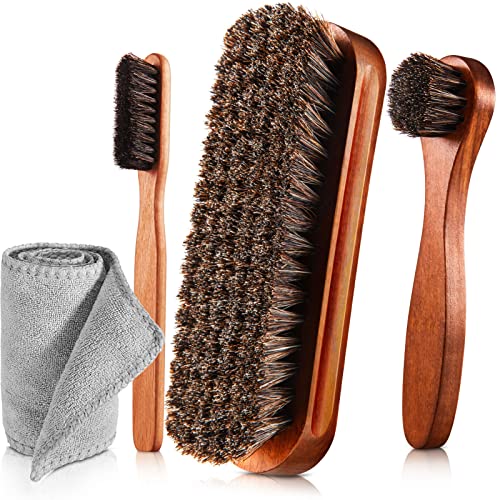
- Leather cleaning brush set
- Phed-balanced leather cleaner and conditioner kit


Before You Start
Prepare a clean, well-lit workspace. Clear nearby items to protect from moisture. Perform a test patch on an inconspicuous area; wait 24 hours to confirm no discoloration or texture change. Avoid harsh solvents, ammonia-based cleaners, and abrasive scrubbing which can strip finishes or dry leather.
Time estimate: 15–30 minutes for a typical spot clean. If stains are stubborn or you’re dealing with a delicate specialty leather, allow extra time and proceed with care.
Step-By-Step: How To Spot Clean Leather
- Inspect the spot to identify the type of stain (oil, ink, food, or water). Different stains respond to different treatments.
- Brush lightly with the leather cleaning brush set to remove loose dirt or dust without scratching the surface.
- Apply a small amount of pH-balanced leather cleaner and conditioner kit to a microfiber cloth, not directly to the leather.
- Gently dab or circularly rub the stained area with the damp cloth. Do not saturate the leather; use minimal moisture.
- For stubborn stains, spray a light layer of leather stain remover spray onto a clean cloth and work the stain from the outside in, gradually fading toward the center.
- Wipe away residue with a dry microfiber cloth, leaving the surface lightly tack-free.
- Allow the area to air-dry away from direct heat or sunlight, then apply a thin layer of conditioner to restore moisture.
- Buff lightly with a dry cloth to restore the leather’s natural luster and even tone.
Troubleshooting
| Symptom | Likely Cause | Fix | Prevention |
|---|---|---|---|
| Stain reappears after drying | Underlying residue or stain depth | Repeat gentle cleaning; avoid aggressive scrubbing | Address stains promptly; test cleaners first |
| Leather feels dry or tacky | Insufficient conditioning | Apply another thin layer of conditioner and buff | Condition regularly after cleaning |
| Color transfer or discoloration | Incompatible cleaner | Rinse with a neutral cloth and stop using that product | Use pH-balanced products designed for your leather |
| Streaks or white films | Over-application of cleaner | Wipe with a clean damp cloth, then dry | Use minimal product per area |
Common Mistakes
- Using household solvents like bleach or acetone on leather
- Applying cleaner directly to the leather surface
- Saturating leather with water or cleaner
- Rubbing too hard, which can wear the finish
Sticking to gentle, test-tested methods supports long-term leather appearance and durability.
Tips For Best Results
- Always test in an inconspicuous area before treating visible spots.
- Use a dedicated microfiber cloth to avoid transferring lint or fibers.
- Work from the outside of a stain toward the center to prevent spreading.
- Finish with a conditioner to maintain flexibility and reduce cracking.
- Store cleaners in a cool, dry place away from direct sunlight.
Call A Professional
Consider a professional if the leather shows deep dye transfer, structural damage, or if the item is valuable or irreplaceable. Immediate professional help is advised for: large stains, color bleeding, or leather with a protective topcoat that may be damaged by home products.
FAQ
Can I use regular soap on leather?
Regular soap is not ideal; use a product specifically designed for leather care to preserve finish and moisture balance.
Is water-based cleaner safe for all leather types?
Most modern water-based cleaners are safe when labeled pH-balanced and intended for leather; check manufacturer guidelines for your hide.
How often should I clean leather surfaces?
Light spot cleaning as needed is fine; a routine clean-and-condition every 3–6 months helps maintain suppleness.
Will cleaning remove scratches?
Spot cleaning may minimize surface marks, but deeper scratches often require professional refurbishing or specialized restoration products.
Buying Guide
Key buying factors help ensure you choose the right products for leather care. Consider the following when shopping:
- <bSize and compatibility: Choose cleaners and conditioners formulated for your leather type (aniline, semi-aniline, pigmented, nubuck, or suede).)
- <bNoiseless operation: Cleaning tools like brushes should minimize abrasion and noise during use.
- <bEnergy efficiency: Simple, manual cleaning tools consume no power; avoid heavy electrical devices unless specified for cleaning tasks.
- <bControls and ease of use: Look for spray bottles with controlled nozzles, and brushes with soft bristles for safe application.
- <bPlacement and storage: Store products upright in a cool, dry area away from sunlight to prevent product breakdown.
When comparing options, evaluate whether a kit combines a pH-balanced cleaner with a conditioner, or if separate products are needed. If you’re unsure about your leather type, seek a starter kit that specifies broad compatibility and includes a microfiber cloth and brush set.