Cutting boards are essential kitchen workhorses, but their porous surfaces can harbor bacteria if not cleaned and maintained correctly. This guide provides a practical, field-tested approach for American kitchens to keep wooden and composite boards clean, sanitary, and looking their best.
Whether you use a wooden board, a plastic board, or a specialty surface, following a consistent cleaning routine helps prevent cross-contamination and extends the board’s life. The steps below emphasize safe cleaning practices, quick maintenance, and simple conditioning to prevent cracking and drying.
Quick Answer
Clean after every use with soap and warm water, dry thoroughly, and condition wooden boards periodically with food-grade mineral oil or a beeswax mineral oil kit. For stubborn residue, use a silicone bristle cleaning brush for cutting boards or a stainless steel scraper for cutting boards.
Sanitize when needed with a dilution of white vinegar or a mild hydrogen peroxide solution, then air-dry completely before storage.
What You’ll Need
- Soap and warm water
- Silicone bristle cleaning brush for cutting boards
- Stainless steel scraper for cutting boards
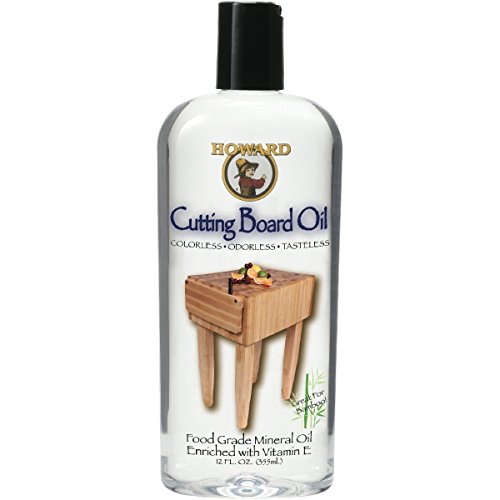
- Mineral oil cutting board conditioner for wooden boards
- Beeswax mineral oil cutting board conditioner kit
- Microfiber towel for drying cutting boards
- White vinegar or hydrogen peroxide (optional for sanitizing)
- Air-drying space away from heat and sunlight


Before You Start
Before cleaning, inspect the board for cracks, warping, or deep grooves where bacteria may reside. If the board is heavily warped or cracked, consider replacement to avoid safety risks. Ensure you have a clean workspace and a separate drying area to prevent cross-contamination with other utensils.
Safety notes: never submerge wooden boards in standing water for long periods, as soaking can cause warping. Do not mix water with lemon juice or other acidic cleaners on wooden boards, which can dry the surface over time. If using a sanitizer, rinse thoroughly afterward.
Estimated time: 5–20 minutes for routine cleaning, longer for conditioning and deep sanitizing sessions.
Step-By-Step: How To Properly Clean A Cutting Board
- Rinse the board under warm running water to remove loose debris from the surface and grooves.
- Wash with mild dish soap and a silicone bristle cleaning brush for cutting boards or a sponge. Scrub in a back-and-forth motion, paying special attention to knife grooves.
- Rinse again to remove all soap residue. Hold the board at an angle to let excess water drain off.
- Sanitize as needed by applying white vinegar (undiluted) or a diluted hydrogen peroxide solution to both sides. Let it sit for 1–3 minutes, then rinse thoroughly.
- Dry the board completely with a microfiber towel for drying cutting boards, and stand it on edge in a well-ventilated area to ensure full airflow.
- Condition wooden boards on a regular basis. If using a mineral oil conditioner, apply a thin, even coat across the surface using a clean cloth, wipe off any excess, and allow to absorb overnight. For a more robust finish, use a beeswax mineral oil cutting board conditioner kit and follow the product directions.
- Edge care pay attention to the board’s edges and corners where moisture can collect. Apply conditioner along the sides if needed.
- Storage store upright or on a rack in a dry, well-ventilated area away from direct heat or sunlight to prevent warping and drying.
- Deep cleaning schedule (monthly for most homes): perform a thorough wash, sanitize, and condition with a dedicated kit to maintain moisture balance and protect the surface.
- Cross-use caution designate separate boards for raw proteins and produce where possible to minimize cross-contamination, and sanitize between uses when switching tasks.
- Maintenance log consider keeping a simple calendar reminder for conditioning and sanitizing intervals to extend board life.
Troubleshooting
| Symptom | Likely Cause | Fix | Prevention |
|---|---|---|---|
| Dry, cracked board | Insufficient conditioning | Apply mineral oil conditioner or beeswax kit and allow absorption | Regular conditioning schedule |
| Persistent odor | Deep grooves trapping residue | Scrub with brush, sanitize, and recondition; consider replacing if persistent | Routine cleaning after use; avoid long soaking |
| Discoloration or staining | Try to remove with vinegar or soap; oil may not restore color | Light reconditioning and thorough drying; avoid harsher cleaners | Use separate boards for different foods |
| Warping after washing | Prolonged soaking or heat exposure | Limit water exposure; dry immediately; use proper storage | Never soak; air-dry on edge |
Common Mistakes
- Letting boards soak in water for extended periods
- Using aggressive abrasive cleaners on wooden boards
- Overlooking the need for regular conditioning
- Using the same board for raw proteins and produce without sanitation
- Ignoring cracking and warping indicators, delaying replacement
Keeping to a routine reduces these issues and supports food safety. A simple, repeatable method is often the most effective approach for busy kitchens.
Tips For Best Results
- Always dry boards completely after washing to prevent bacterial growth and warping.
- Rotate boards to avoid excessive wear on a single surface; use separate boards for meat and produce if possible.
- Choose a food-grade conditioner and follow the product directions for best results.
- Store boards vertically or on edge to promote even drying.
- Consider a dedicated conditioning regime during seasons of high humidity or dryness to maintain surface integrity.
Call A Professional
Seek professional help if a board shows deep cracks, pronounced warping, or a persistent odor that resists cleaning and sanitizing. A surface that cannot be fixed with routine maintenance may require replacement to ensure food safety.
FAQ
How often should I condition a wooden cutting board?
Most wooden boards benefit from conditioning every 1–4 weeks, depending on use and climate. Heavily used boards may require more frequent conditioning.
Can I sanitize a wooden board with vinegar?
Yes, white vinegar can sanitize surfaces. Rinse afterward and dry thoroughly to prevent moisture buildup.
Is mineral oil safe for cutting boards?
Yes, mineral oil is food-grade and commonly used to condition wooden boards. Follow product directions for application and absorption.
What’s the best way to remove odors from a board?
Scrub with soap and warm water, sanitize if needed, and condition to restore surface moisture. Avoid soaking the board.
Should I use beeswax on my board?
Beeswax-based conditioners create a protective finish. Follow the kit instructions for best results on wooden boards.
Can I put my cutting board in the dishwasher?
Most wooden boards should not be dishwasher-cleaned due to warping and cracking risks. Use hand washing and proper drying.
Buying Guide
When choosing cleaning and conditioning supplies for cutting boards, several factors influence performance and longevity.
- Size and thickness: Larger boards require more thorough cleaning and longer drying times. Choose a brush and scraper that fit into grooves comfortably.
- Noise level: Tools like silicone brushes tend to be quiet and gentle, while metal scrapers offer aggressive removal of residue but may scar wood if used improperly.
- Energy efficiency and ease of use: Minimal effort, maximum coverage items (such as conditioning kits with pre-measured portions) save time and ensure consistent application.
- Controls and packaging: Look for clear usage instructions, food-grade safety, and BPA-free materials in brushes and scrapers.
- Placement and storage: Opt for compact tools that store neatly alongside the board or in a dedicated cleaning kit.
- Material compatibility: Ensure conditioning products are safe for wooden boards; avoid harsh chemicals near cutting surfaces.
- Durability: Invest in long-lasting tools like a stainless steel scraper for sturdy residue removal and a flexible silicone-bristle brush for gentle cleaning.
- Maintenance frequency: Some conditioning kits require periodic reapplication; others are simple oil-based upkeep.
- Value: A kit that includes conditioner and beeswax can simplify maintenance and reduce the number of products needed over time.
Consider your cooking habits, board material, and climate when selecting products. A practical setup often includes a silicone bristle cleaning brush, a stainless steel scraper, a mineral oil conditioner, and a microfiber towel for drying, complemented by a conditioning kit for deeper care.