Carpets can greatly improve a room’s look and feel, but professional-grade results require the right approach, tools, and technique. This guide explains a practical method to achieve deep, lasting cleanliness using accessible equipment and proven steps. It’s tailored for American homes and buildings seeking results comparable to professional services without the high cost.
Quick Answer
Use hot water extraction with a professional-grade carpet cleaning machine for deep soil removal, followed by a dedicated stain remover when necessary. Pre-treat with an enzymatic solution for organic stains, then finish with appropriate upholstery tools for edges and stairs. Allow ample drying time between zones to prevent re-wetting.
What You’ll Need
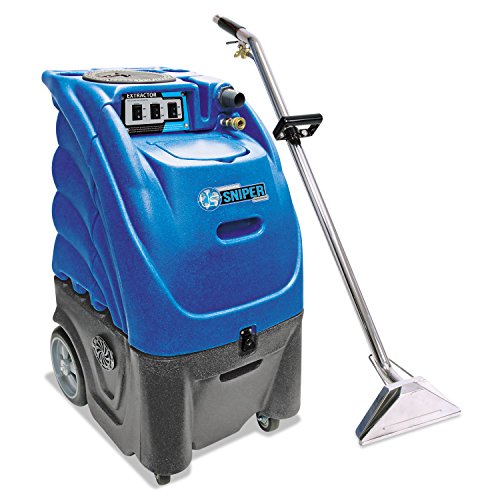
- Professional-grade carpet cleaning machine
- Hot water extraction carpet cleaner machine
- Carpet cleaning tool kit with wand and brushes
- Professional carpet stain remover enzymatic solution concentrate
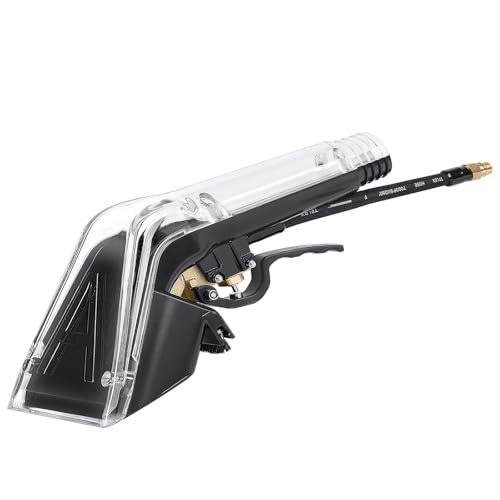
- Industrial carpet cleaning wand upholstery tool set

Before You Start
Before beginning, inspect carpet for weak seams or fraying and move furniture to create clear work areas. Vacuum thoroughly to remove loose soil. Test cleaning solutions in an inconspicuous corner to avoid discoloration. Plan a zone-by-zone approach to prevent over-wetting. Drying times vary by temperature, humidity, and carpet construction; expect several hours for most setups. Wear protective gloves and eye protection when handling cleaning concentrates, and ensure good ventilation in the work area.
Step-By-Step: How To Professionally Clean Carpet
- Prepare the machine by filling the fresh water tank with hot water and adding the enzymatic stain remover concentrate as directed by the product guidelines.
- Attach the appropriate wand and brushes from the carpet cleaning tool kit with wand to ensure an even spray and thorough agitation.
- Perform a light pre-vacuum in each area to loosen embedded soil and reduce the burden on the cleaning solution.
- Apply cleaning solution to high-traffic zones and areas with visible stains, allowing a brief dwell time to break down soils.
- Begin hot water extraction slowly, maintaining steady forward and backward motions to pull dirt toward the machine’s waste tank.
- Make multiple passes over stained areas, focusing on edge zones and stair treads with the upholstery tool set to remove residual moisture.
- Rinse sections as needed with clean water to remove any remaining cleaning agents that may attract soil.
- Spot-treat any remaining tough stains with the enzymatic stain remover concentrate, following the label recommendations before re-cleaning.
- Allow zones to air dry completely; use fans or HVAC assistance to speed up drying and prevent browning or odor development.
- Inspect the carpet after drying; repeat steps for any missed areas or deep-set stains to achieve uniform cleanliness.
- Finish by vacuuming once the carpet is fully dry to lift fibers and restore pile.
Troubleshooting
| Symptom | Likely Cause | Fix | Prevention |
|---|---|---|---|
| Residual wet spots after cleaning | Insufficient drying time or over-wetting | Increase ventilation; use dehumidifier; recheck extraction settings | Schedule shorter cleaning passes with longer drying periods |
| Streaks or uneven cleaning | Inconsistent wand motion or uneven solution | Maintain steady, overlapping strokes; re-run with clean water rinse | Calibrate machine settings and practice technique |
| Discolored patches | Improper pre-test or harsh chemical | Rinse with clean water; re-test on hidden area; discontinue solution usage | Always test and follow label directions |
| Foul odor after cleaning | Moisture trapped in padding; organic material left behind | Increase airflow; consider deodorizing enzyme treatments | Clean underlay and ensure complete drying |
Common Mistakes
- Over-wetting carpet, which slows drying and can cause mold.
- Using too much cleaning solution, leaving residues that attract new soil.
- Neglecting edges and transitions to upholstery and baseboards.
- Not performing a proper test patch before full-area cleaning.
By avoiding these mistakes, carpet longevity and appearance are preserved, and cleaning results are more predictable across rooms and hallways.
Tips For Best Results
- Work in clean, small zones to optimize cleaning and drying speed.
- Utilize enzymatic concentrates for organic stains like coffee, wine, or pet messes to break down residues effectively.
- Keep the machine’s filters and waste tank clean to maintain suction and performance.
- Pre-treat notoriously difficult stains a day ahead when possible to maximize effectiveness.
- Schedule cleaning during mild weather to facilitate faster drying outdoors with airflow.
Call A Professional
Professional help is advisable in several scenarios. If the carpet is antique, delicate, or value-driven, or if there are recurring stains despite routine cleaning, consult a licensed technician. Stop cleaning and seek help if you notice persistent dye bleed, carpet shrinkage, or backing damage. For high-traffic commercial spaces, a professional evaluation ensures compliance with warranty or safety guidelines and can extend carpet life.
FAQ
What is the most effective method for deep carpet cleaning?
Hot water extraction with a professional-grade carpet cleaning machine provides thorough soil removal and improved appearance.
Can I use household cleaners for carpet cleaning?
Household cleaners may leave residues or cause discoloration; use enzymatic stain removers and products designed for carpet cleaning, following the manufacturer’s instructions.
How long does it take for carpets to dry after cleaning?
Drying times vary; expect several hours in typical conditions, longer in humid environments. Improve airflow to speed up drying.
Do I need to dry clean upholstery tools separately?
Yes, use dedicated tools for upholstery to avoid transferring soil between carpet and fabric surfaces.
Are enzymes safe for pets and children?
Most enzymatic solutions are designed to be safe when used as directed; always follow product labels and allow thorough drying before occupancy.
What maintenance should follow cleaning?
Vacuum daily after cleaning and perform periodic deep cleanings with routine maintenance checks on equipment and solution concentrations.
Buying Guide
Choosing the right gear for professional-quality carpet cleaning involves several factors. Consider the size of the space, the level of soiling, and whether the setup will be used for homes, apartments, or small offices. Key buying factors include:
- Machine size and weight — Heavier units typically offer more power and larger tanks but may be harder to maneuver in tight spaces.
- Noise level — Quieter models improve comfort during ongoing cleaning, especially in homes with kids or pets.
- Energy and solution efficiency — Look for machines with efficient pumps and recovery systems to minimize chemical use and water waste.
- Controls and usability — Easy-to-navigate controls, clear indicator lights, and straightforward maintenance access save time.
- Placement and storage — Consider how the unit will be stored and wheeled between rooms, particularly in multi-floor homes.
- Included accessories — A robust tool kit with wand, brushes, and upholstery attachments expands cleaning versatility.
- Maintenance requirements — Check filter life, cleaning cycles, and availability of replacement parts from manufacturers.
When comparing options, assess how each model balances suction power, heat performance, tank capacity, and reliability. For many households, a compact but capable setup with a hot water extraction capability offers the best mix of ease and results. If heavy-duty commercial use is anticipated, investing in a larger professional-grade machine with a full tool kit can improve throughput and outcomes over time. Always match features to the specific cleaning challenges present in the space.