Maintaining clean car floor mats protects the interior, reduces odors, and extends mat life. Whether you have rubber mats, carpet mats, or a mix, a structured approach makes cleaning easier and faster. This guide covers practical steps, tools, and pro tips to keep mats looking like new in American vehicles.
Quick Answer
Best quick method: shake out debris, vacuum mats with a car interior vacuum with crevice tool for mats, scrub with a rubber car floor mat cleaning kit brush spray, rinse, and air-dry. For heavy staining, machine-washable car floor mats replacement covers or waterproof car floor mat protector liners can simplify future cleanups.
What You’ll Need
Having the right tools on hand makes the process efficient. Gather items from the list below, adding any related products you already own.
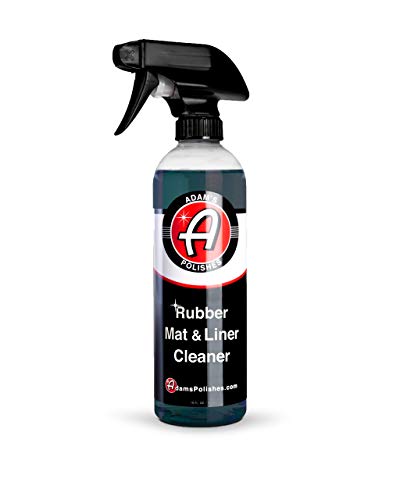
- Rubber car floor mat cleaning kit brush spray
- Car floor mat cleaning brush and scrubber
- Car interior vacuum with crevice tool for mats
- Waterproof car floor mat protector liners 4 piece set
- Machine-washable car floor mats replacement covers


Before You Start
Before cleaning, remove mats from the vehicle and shake off loose dirt. Inspect mats for wear or damage, and check for wet spots that could drip onto the carpet underneath. Choose an area with good drainage or lay down a protective sheet. Wear gloves if you’re sensitive to cleaning solutions, and avoid using harsh chemicals on painted surfaces. Allow mats to dry completely before reinstalling to prevent mold.
Step-By-Step: How To Keep Car Floor Mats Clean
- Remove and shake start by taking mats out and banging them to loosen dirt. This minimizes the amount you’ll grind into the fibers during washing.
- Hose down and pre-rinse lightly rinse to wash away loose sand, grit, and hair. Don’t soak if you’re cleaning interior carpet mats; spot test first with liquids you’ll use.
- Apply cleaner spray the rubber car floor mat cleaning kit brush spray or a gentle interior-safe cleaner onto the mat surface.
- Scrub thoroughly use the car floor mat cleaning brush and scrubber in circular motions, paying attention to grooves and edges where dirt accumulates.
- Rinse completely rinse until the water runs clear. Ensure all soap residues are removed, which helps prevent new dirt from sticking.
- Dry properly air-dry mats in a well-ventilated area. If you have a machine-washable option, launder per the manufacturer’s instructions and allow mats to dry completely before reinstalling.
- Protect against future mess consider installing waterproof car floor mat protector liners 4 piece set or using machine-washable car floor mats replacement covers for quick routine cleansing.
- Vacuum and reassemble once mats are dry, vacuum any remaining debris in the mat wells, then reinstall mats in the vehicle.
Troubleshooting
| Symptom | Likely Cause | Fix | Prevention |
|---|---|---|---|
| Mats still feel grimy after cleaning | Soap residue or deep-set stains | Rewash using a stronger cleaner and rinse thoroughly | Use a quick-dry protective liner to reduce buildup |
| Bad odor persists after cleaning | Moisture trapped in fibers | Ensure complete drying; sprinkle baking soda and vacuum after 24 hours | Improve airflow and dry mats promptly |
| Stains reappear after a day | Residual oils or pigments | Spot-treat stains with a suitable cleaner and repeat | Treat spills promptly to minimize set-in stains |
| Mats fiber frays or tears | Over-aggressive scrubbing | Switch to gentler brush and shorter scrubbing sessions | Use protective liners to reduce wear |
Common Mistakes
- Using hot water on rubber mats, which can warp or deform them.
- Neglecting to vacuum before washing, leaving grit that abrades surfaces.
- Misusing carpet cleaners on rubber mats, causing slippery residues.
- Not drying mats completely, leading to mold and mildew growth.
- Skipping protective liners for heavy foot traffic areas.
Tips For Best Results
- Regular vacuuming prevents deep-set dirt; target corners and wheel wells with a crevice tool.
- Pre-treat tough stains on carpet mats with a stain remover suitable for fabrics before a full wash.
- For quick cleans, use waterproof car floor mat protector liners to ease future maintenance.
- Choose machine-washable replacement covers if you prefer effortless upkeep and consistent cleanliness.
- Air-dry mats away from direct sunlight to prevent fading and material damage.
Call A Professional
Consider professional help if mats are severely stained, have persistent odors, or show signs of mold growth that won’t go away after cleaning. Seek expert advice for damaged mats, especially when dealing with water damage or hazardous residues. If you notice any unfamiliar materials, or the mats fail to fit properly after cleaning, contact a pro for assessment.
FAQ
Can I wash rubber mats in a standard washing machine?
Most rubber mats are not designed for standard home washers; use spot cleaning or a hose, scrub, and air-dry approach, or opt for machine-washable replacement covers if the manufacturer approves it.
How often should I clean car floor mats?
Clean mats every 1–4 weeks depending on use, traffic, and weather. In winter, more frequent cleaning helps remove salt and grime.
Are liner protectors worth it?
Yes, waterproof liners simplify cleanup and protect carpet mats from moisture and wear, extending mat life.
What should I do about persistent odors?
Deep clean, ensure complete drying, and consider baking soda or activated charcoal between cleanings to absorb odors.
What’s the best way to dry mats quickly?
Air-dry in a shaded, well-ventilated area; avoid direct sun that can cause fading. Use fans to speed up drying if needed.
Are there risks using cleaners on car interiors?
Use products labeled for automotive interiors and test in an inconspicuous area first to avoid damage.
Buying Guide
When choosing mats, consider size, material, and maintenance needs. Larger vehicles benefit from thicker, more durable mats, while smaller cars may prefer compact options. Look for compatibility with your model to ensure a snug fit. Noise level and ambient odors aren’t typical concerns for mats themselves, but choosing high-quality liners reduces squeaks and odor buildup. Energy efficiency isn’t a direct factor for mats, but choosing washable, reusable options saves water and reduces waste. Think about placement: front mats that are easily removable and compatible with your vehicle’s anchors improve cleanliness and safety. Compare at least two options for materials (rubber vs carpet) and inspect for warranty coverage. For busy households, machine-washable mats and liners offer the most convenient upkeep without sacrificing cleanliness.