Wood staining projects can leave stubborn odors that linger in wood pores, walls, and ventilation zones. This guide outlines practical, safe, and practical steps to reduce and remove wood stain smells using commonly available tools and supplies. By combining ventilation, filtration, and odor-control methods, homeowners can create a fresher environment after finishing projects.
Quick Answer
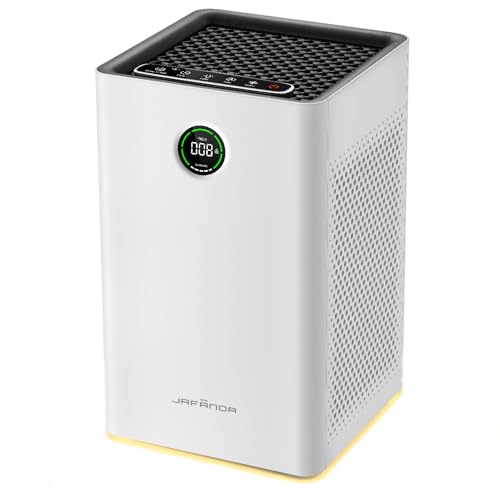
Begin with ventilation and air purification to capture fumes at the source. Use a respirator mask with organic vapor cartridges during application, followed by ongoing air treatment with an air purifier with activated carbon filter for paint fumes and a dedicated portable paint booth ventilation kit. For room-wide odor reduction, add activated charcoal odor absorber bags and, if needed, an inline duct fan ventilation kit for workshop exhaust to move air outside.
What You’ll Need
- Air purifier with activated carbon filter for paint fumes
- Respirator mask with organic vapor cartridges for wood stain solvents
- Inline duct fan ventilation kit for workshop exhaust
- Activated charcoal odor absorber bags for rooms
- Portable paint booth ventilation kit with exhaust fan


Before You Start
Prepare the workspace by sealing off adjacent rooms to prevent fumes from migrating. Open exterior doors or windows when weather permits, and run a fan to establish cross-ventilation. Wear protective gear during staining and cleanup, including a respirator mask and eye protection. Allow sufficient cure time for the stain on the surface before attempting full odor remediation, especially in enclosed spaces. Plan for multiple brief airing cycles if odors persist.
Step-By-Step: How To Remove Wood Stain Smell
- Ventilate the area by setting up a portable exhaust system to pull fumes from the workspace toward outdoors. Position the exhaust near the stain zone for best intake.
- Put on a respirator mask with organic vapor cartridges before application and during any cleanup involving solvents or stains.
- Apply the stain evenly, using appropriate brushes or rags, and minimize splatter to reduce odor release.
- Immediately after staining, activate the portable paint booth ventilation kit with exhaust fan to pull vapors away from the surface and occupants.
- Place activated charcoal odor absorber bags for rooms around the work area to capture lingering odors. Avoid direct contact with fresh stain.
- Run an air purifier with activated carbon filter for paint fumes in the room on high for several hours after staining, then periodically during the first few days.
- Consider an additional inline duct fan ventilation kit for workshop exhaust to create a continuous air flow from the room outside, especially in tightly sealed spaces.
- Re-evaluate room air quality daily; move odor absorbers to areas showing the strongest scent for targeted treatment.
- Clean tools and any rags promptly; never leave solvent-soaked items unattended, as they can off-gas.
- Allow the space to dry completely, then re-run ventilation cycles for several hours to finish odor removal.
- If odors persist beyond a few days, repeat filtration and absorbers placement, and check for hidden odor reservoirs in textiles or porous materials.
- Document the setup and timing to refine future stain jobs and minimize odor generation.
Troubleshooting
| Symptom | Likely Cause | Fix | Prevention |
|---|---|---|---|
| Odor remains after airing | Insufficient air exchange or sealed space | Increase exhaust flow and run purifier longer | Plan for extended airing and use dedicated ventilation during future projects |
| Sour or chemical smell intensifies | Stain solvents off-gassing from porous materials | Boost carbon filtration and seal surfaces during cure | Use low-VOC stains when possible |
| Rising humidity with odor | Moisture retention slows evaporation | Improve dehumidification and airflow | Stain in climate-controlled conditions |
| Rags or materials still off-gassing | Solvent-soaked textiles not fully dried | Air-dry or dispose of contaminated items safely | Store used rags in sealed metal containers |
Common Mistakes
- Relying on a single fan or purifier; odors require multi-point air movement
- Waiting too long to address odors after staining
- Using low-quality filtration or no filtration at all
- Removing protective gear too soon, exposing oneself to vapors again
- Neglecting textiles and porous items that can trap odors
Tips For Best Results
– Place odor absorbers not only near the stain area but also along entryways to prevent scent migration.
– Run the ventilation system at maximum effective air exchange for the first 24–48 hours, then taper as odors decline.
– Choose water-based or low-VOC stains where possible to minimize off-gassing from the start.
– Regularly replace or refresh activated carbon filters according to manufacturer guidance after heavy use.
Call A Professional
Call a professional if any of the following occur: persistent odors after multiple airing cycles, signs of chemical exposure like headaches or dizziness, or if the staining involved heavy solvents or unknown materials. In workspaces with poor ventilation, consider a pro for safe remediation and air quality assessment.
FAQ
What type of respirator should I use for wood stain fumes?
Choose a respirator with organic vapor cartridges rated for solvents used in wood stains, and ensure a proper seal and fit.
Will an air purifier remove wood stain odors?
Yes, especially models with activated carbon filters designed for chemical fumes and odors. Run continuously during and after staining.
How long does it take for odors to disappear?
It varies by space and ventilation, but expect several hours to a few days with active filtration and air exchange.
Can I stain indoors without strong odors?
Wet-applied finishes with low VOCs and good ventilation minimize odors, but some smell is common during curing.
Do activated charcoal bags work for wood stain odors?
Activated charcoal can help absorb lingering odors, especially when placed around the room, but it should complement filtration, not replace it.
Is it safe to use multiple odor-control products at once?
Yes, but follow product guidelines to avoid overloading the space with any single chemical exposure.
Buying Guide
Choosing the right tools to combat wood stain smell involves assessing size, noise, energy use, controls, and placement. A well-rounded setup combines filtration and ventilation to maintain air quality across rooms and workspaces.
- <bSize and coverage: Select devices sized for the room square footage and ceiling height. Bigger spaces may need multiple devices or higher-capacity kits.
- <bNoise level: Look for units with low noise operation for comfortable, long-term use, especially in living areas.
- <bEnergy efficiency: Opt for energy-efficient purifiers and fans to run longer without high electricity bills.
- <bControls and features: Timers, variable speed, and filter indicators help manage operation and maintenance.
- <bPlacement: Position purifiers away from direct heat sources and ensure there is a clear path for airflow. Use portable kits near staining zones and along doors to outdoors for exhaust.
- <bFilter life and replacement: Choose filters with easy replacement schedules and readily available cartridges or charcoal bags.
- <bCompatibility with solvents: Ensure devices are rated for chemical fumes and provide durable construction to handle solvent exposure.
- <bOverall approach: Combine filtration, absorbers, and dedicated exhaust to maximize odor control and air turnover.
With the right combination of ventilation, filtration, and targeted odor absorbers, wood stain smells can be dramatically reduced. Consider a step-wise approach that scales with project size and room occupancy. If in doubt, test a small area first and monitor air quality with simple checks or an air quality monitor.