Whiteflies are a common pest for hibiscus, especially in warm, sunny regions. They feed on plant sap and can weaken plants if left unchecked. This guide provides practical, household-friendly methods to control whiteflies on hibiscus using safer, plant-friendly products and proven garden practices.
Quick Answer
For quick suppression, use a combination of targeted treatments and physical traps: apply horticultural oil spray or neem oil concentrate to suffocate and disrupt eggs, spray with insecticidal soap to knock down adults, place yellow sticky traps to monitor and reduce adults, and regularly rinse or spray the undersides of leaves. If populations persist, repeat cycles every 7–10 days until signs of activity decline.
What You’ll Need
- Horticultural oil spray for whiteflies hibiscus — smothers eggs and nymphs on leaves
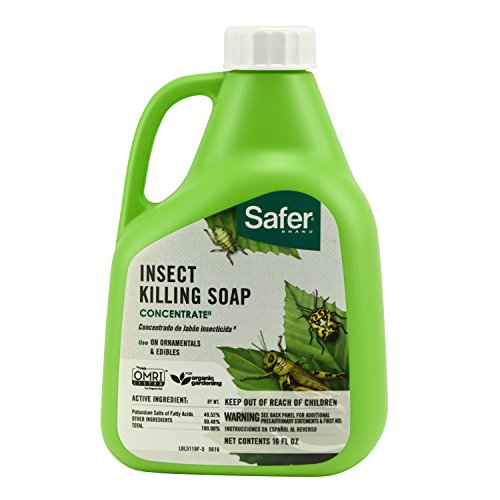
- Insecticidal soap spray bottle whiteflies hibiscus plant — disrupts cell membranes of soft-bodied pests
- Neem oil concentrate spray whiteflies hibiscus — provides anti-feedant and anti-oviposition action
- Yellow sticky traps garden pest whiteflies hibiscus — monitors and reduces flying adults
- Handheld garden sprayer for applying insecticide hibiscus whiteflies — makes even, thorough coverage easier


Before You Start
Before beginning, inspect hibiscus plants for heavy infestation and remove heavily damaged leaves. Begin treatments early in the day to avoid leaf burn and ensure good coverage to the leaf undersides where whiteflies congregate. Always test a small leaf area first to confirm that the product does not cause phytotoxicity. Avoid applying products in direct sun or on stressed plants. Time estimates vary with plant size and infestation; plan about 30–60 minutes for initial treatment, plus follow-up sessions every 7–10 days as needed.
Step-By-Step: How To Get Rid Of Whiteflies On Hibiscus
- Prepare your spray tools. Fill the handheld sprayer with a recommended dilution of horticultural oil or neem oil concentrate per label directions.
- Cover the plant thoroughly. Spray the upper and lower leaf surfaces, focusing on the undersides where whiteflies lay eggs.
- Apply insecticidal soap. After the initial oil spray, use the insecticidal soap spray bottle to target adults and soft-bodied nymphs; ensure a wet, but not runoff, coverage.
- Introduce yellow sticky traps. Place traps at canopy level and near the plant base; these attract and trap adults, reducing reproduction.
- Repeat on a schedule. Reapply oil and/or soap every 7–10 days, aligning with the life cycle of whiteflies to catch new generations.
- Check for signs of relief. Look for fewer honeydew, less sooty mold, and a drop in new adults on traps.
- Rinse leaves occasionally. Lightly rinse leaf undersides with water to dislodge remaining nymphs between spray cycles if needed.
- Limit stress factors. Water hibiscus consistently but avoid overwatering; stressed plants attract more pests.
- Consider cultural controls. Increase airflow around plants and prune overcrowded areas to reduce humidity pockets that favor whiteflies.
- Monitor nearby plants. Whiteflies can move between hosts; inspect adjacent hibiscus and related ornamentals and apply treatments as needed.
- Evaluate environmental conditions. If plants remain heavily infested despite treatment, assess weather patterns and consider alternative products or professional advice.
- Document progress. Keep notes on treatment dates, products used, and observed population changes to guide future care.
Troubleshooting
| Symptom | Likely Cause | Fix | Prevention |
|---|---|---|---|
| Leaves with sticky residue and mold | Honeydew from whiteflies | Clean with water and reapply control measures | Consistent monitoring and early intervention |
| New growth wilts or stops | Pest stress or overuse of oil/soap | Rinse foliage; reduce rate or frequency; rotate products | Alternate products and proper dilution |
| Whiteflies return after treatment | Underside eggs or hidden nymphs | Repeat cycles every 7–10 days | Integrate traps and regular inspections |
| Leaf burn after spraying | Product applied in sun or on sensitive leaves | Spray in morning/evening; dilute more | Test on a small area first |
Common Mistakes
- Overreliance on a single product instead of a rotation strategy
- Spraying in the hottest part of the day, causing leaf burn
- Neglecting undersides of leaves during application
- Failing to monitor and reuse traps, allowing adults to repopulate
Tips For Best Results
- Apply treatments in the early morning or late afternoon to minimize heat stress on hibiscus.
- Rotate products (oil, soap, and neem) to reduce pest resistance development.
- Combine physical and biological approaches, such as beneficial insects where appropriate, after consultation with local extension services.
- Keep a small garden diary with treatment dates and observations to refine the approach over time.
Call A Professional
Consider professional help if whitefly populations are widespread, plants show severe stress, or infestation recurs after repeated treatments. Stop signs include rapid, extensive leaf drop, unusual plant decline, or presence of secondary pests. A licensed arborist or extension agent can offer targeted interventions and diagnostics tailored to hibiscus in your area.
FAQ
What is the best initial product to use on hibiscus for whiteflies?
Many gardeners start with horticultural oil or neem oil for a gentle, broad-scope approach and then add insecticidal soap for immediate knockdown of adults.
How often should I spray hibiscus for whiteflies?
Apply every 7–10 days, checking the plant between cycles and repeating as needed until adult activity declines.
Do yellow sticky traps actually help control whiteflies?
Yes, traps help capture flying adults, reducing reproduction and providing a population monitor for timing treatments.
Can I use household soap on hibiscus?
Plain insecticidal soap is formulated for plants. Do not substitute household dish soap, which can be too harsh on foliage.
Are there beneficial insects to release for whiteflies?
Some beneficials target whiteflies, but their effectiveness depends on local conditions. Consult a local extension service before releasing any fauna.
Buying Guide
When choosing products to combat whiteflies on hibiscus, consider the following factors to balance efficacy, safety, and ease of use.
- Active ingredients: Horticultural oil, insecticidal soap, and neem oil are common and often work best in combination.
- Formulation: Ready-to-use sprays are convenient; concentrates offer longer shelf life and flexibility in dilution.
- Coverage and spread: Handheld sprayers with a fine spray pattern ensure thorough coverage of leaf undersides.
- Safety and plant compatibility: Check labels for hibiscus compatibility and any cautions on flowering or edible plant use.
- Application timing: Some products work better in cool, low-humidity windows; plan spraying accordingly.
- Resistance management: Rotate products to minimize pest resistance and maintain effectiveness over time.
- Placement and storage: Store away from direct sun and heat; keep sprayers clean for reliable results.
For a resilient hibiscus, combine product choices with proactive cultural care and regular monitoring. If a rapid, heavy infestation occurs, consider stepping up with professional guidance to protect plant health and garden aesthetics.