White flakes in ice cubes are commonly caused by mineral buildup, lime scale, or biofilm forming inside ice makers. This guide walks through practical steps to remove the flakes, prevent recurrence, and keep ice clean and clear for American homes.
Quick Answer
Descale and clean your ice maker regularly to dissolve mineral deposits, then rinse thoroughly. Use a dedicated ice machine descaler or cleaner according to the product label, followed by a thorough rinse with clean water. For persistent buildup, repeat, and consider water treatment options to reduce mineral content.
What You’ll Need
- Ice maker descaler powder 1 lb
- Ice machine cleaning kit with descaler brush
- Calcium lime scale remover for ice machines 1 lb
- Hard water scale remover for ice maker 1 gallon
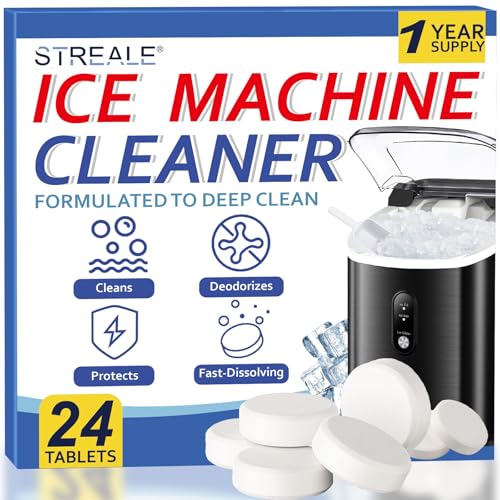
- Ice machine cleaning tablets descaler


Before You Start
Preparation helps ensure safety and effectiveness. Empty the ice bin and disconnect the ice maker from power before cleaning. Use protective gloves and eye protection if handling chemical cleaners. Never mix cleaners or use vinegar on a metal ice maker, as this can damage components. Allow the unit to run through a cleaning cycle according to the manufacturer’s instructions, and ensure the area is well-ventilated.
Estimated time: 60–90 minutes for a full cleaning cycle, with additional time for drying and rinsing.
Step-By-Step: How To Remove White Flakes From Ice Cubes
- Turn off and unplug the ice maker, then remove all ice from the bin.
- Empty any standing water in the reservoir and disconnect water lines if required by the model.
- Prepare a descaling solution using an ice maker descaler powder and follow the product’s mixing instructions.
- Fill the ice maker’s reservoir with the solution and run a cleaning cycle per the manual, allowing the descaler to circulate and dissolve mineral deposits.
- After the cycle, drain the solution completely and thoroughly rinse with clean water. Run a fresh rinse cycle to remove any residue.
- Refill with clean water and run the system again to ensure no cleaning byproducts remain in the ice path.
- Inspect the ice bin; if flakes persist, repeat the descaling cycle or switch to a different cleaner such as a calcium lime scale remover for a targeted mineral dissolve.
- Once clean, sanitize the ice path with a dedicated ice machine cleaning tablet or approved sanitizer, then rinse again.
- Reassemble, reconnect power and water, and produce a test batch of ice to confirm clarity and absence of flakes.
- Schedule routine maintenance: a monthly light cleaning or quarterly deep clean depending on usage and water hardness.
- Consider water treatment options, such as a household water softener or filtration system, to reduce mineral content and future buildup.
Troubleshooting
| Symptom | Likely Cause | Fix | Prevention |
|---|---|---|---|
| White flakes in every ice cube | Mineral buildup or biofilm inside ice path | Descale with powder or tablet cleaner; rinse thoroughly | Regular maintenance; use water softener or filter |
| Ice tastes off after cleaning | Cleaner residue | Rinse repeatedly; run multiple fresh-water cycles | Follow label’s rinse instructions precisely |
| Ice maker not producing enough ice | Clogged lines or sensor issues | Run cleaning cycle; inspect and clear lines; recalibrate if needed | Prevent mineral buildup with routine cleaning |
| Ice appears cloudy | Air in the ice path or mineral content | Ensure complete drainage and thorough rinsing; use cleaner | Keep reservoir full with clean water; avoid overloading |
Common Mistakes
- Using vinegar or acidic cleaners on metal parts can corrode components.
- Skipping the rinse cycle, which leaves cleaning residues in ice.
- Not following the descaler’s dilution and contact times—this reduces effectiveness.
- Overfilling the reservoir with cleaner, causing spills or leaks.
Tips For Best Results
- Schedule monthly light cleaning if your water is moderately hard; switch to quarterly deep cleaning for very hard water areas.
- Use a combination of descaler powder and calcium lime scale remover for persistent buildup.
- Keep the ice bin dry between uses to reduce surface mineral adhesion.
- Install a water filtration system to lower mineral content entering the ice maker.
- Label cleaning cycles in your calendar to maintain consistency.
Call A Professional
If you notice persistent white flakes after multiple cleanings, or if the ice maker shows leaks, unusual noises, or fails to complete cleaning cycles, contact a professional appliance technician. Signs that require professional help include running cycles that stall, unusual odors that do not dissipate after rinsing, or visible corrosion on metal parts.
FAQ
What causes white flakes in ice cubes?
Mineral buildup from hard water and biofilm within the ice path are common culprits.
Can I use household vinegar to descale the ice maker?
No. Vinegar can corrode metal parts and leave odors; use manufacturer-approved descalers and cleaners.
How often should I clean my ice maker?
For hard water, every 1–3 months; for softer water or low usage, every 3–6 months.
Will using a water filter prevent white flakes?
Yes, a proper filtration system reduces mineral content, helping prevent mineral buildup over time.
Is it safe to run cleaning cycles with ice in the bin?
No. Always remove ice before cleaning to avoid contamination and ensure effective cleaning.
What’s the best way to test if the ice is clean?
Produce a small batch after cleaning and rinse to check for clarity and absence of flakes.
Should I replace the ice maker if problems persist?
Only after consulting a technician, as some issues may be repairable with targeted parts replacement.
Buying Guide
Choosing the right accessories and cleaners can help keep ice clear and fresh. Consider the following factors:
- Size and compatibility: Ensure descaler powders, tablets, and kits fit your ice maker model and capacity.
- Effectiveness: Look for products proven to dissolve calcium deposits and remove biofilm.
- Ease of use: Kits with descaler brushes and ready-to-use tablets simplify maintenance.
- Safety: Prefer cleaners labeled safe for food-contact surfaces and approved for ice machines.
- Water treatment options: A home water softener or filtration system reduces mineral content, extending cleaner intervals.
- Maintenance frequency: Plan routine cleaning around water hardness and usage to balance effort and results.
- Noise and installation: If upgrading or adding filtration, consider compatibility with existing lines and minimal disruption.
For practical results, many homeowners pair a ice machine cleaning kit with descaler brush and a calcium lime scale remover for ice machines with a regular cleaning schedule. If white flakes persist, consulting a professional remains a prudent step to protect the ice maker’s longevity.