White dust from ultrasonic humidifiers is typically mineral residue that becomes airborne during operation. It can settle on surfaces and appear in the air you breathe. This guide explains practical steps to reduce or remove that mineral dust using common household tools and trusted descaling and filtration products designed for ultrasonic models.
Following careful cleaning routines helps maintain humidifier efficiency and air quality. The methods below focus on safe, effective practices you can perform at home with readily available products.
Quick Answer
Quick Method: Mix a mild descaler to dissolve mineral buildup, rinse thoroughly, and consider a demineralization filter or cartridge to reduce future dust. Regular cleaning with a dedicated humidifier cleaning brush set keeps components clear, and replacing worn filters helps maintain clean mist.
What You’ll Need
- Ultrasonic humidifier descaler solution
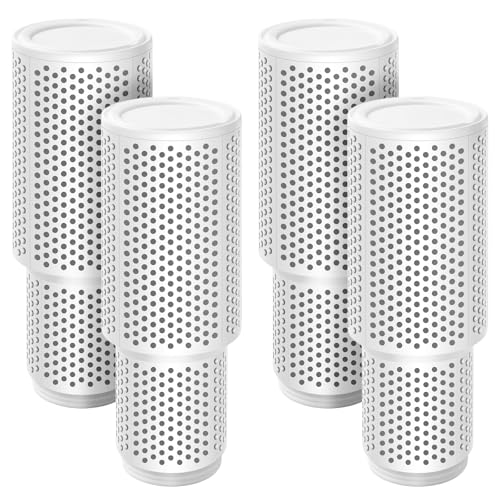
- Humidifier demineralizer cartridge for ultrasonic models
- Humidifier cleaning brush set
- Demineralization filter for ultrasonic humidifier
- Water filter cartridge for humidifier replacement


Before You Start
Before beginning, unplug the humidifier and empty the water tank. Use room-temperature water and avoid harsh cleaners that could damage internal parts. Review the user manual for model-specific cautions. Plan for a cleaning cycle that may take 15–30 minutes per session. Critical cautions: never operate the unit without water, and avoid placing cleaners near heating elements or electrical outlets.
Step-By-Step: How To Stop White Dust From Ultrasonic Humidifiers
- Empty the tank and disconnect the unit from power.
- Prepare a cleaning solution using an ultrasonic humidifier descaler solution according to the product instructions.
- Disassemble the reservoir and remove any visible mineral deposits with a soft brush.
- Soak removable parts in the descaler solution for the recommended time to dissolve scale.
- Rinse all parts thoroughly with clean water until no residue remains.
- Reassemble the humidifier and fill with distilled or demineralized water to minimize future dust.
- If you use a demineralization filter for ultrasonic humidifier, install it according to the manual and ensure a proper seal.
- Place the unit on a stable surface away from walls and fabrics to prevent splashes.
- Run the humidifier on a low setting for a few minutes to flush the system and remove loosened deposits.
- Replace the water filter cartridge for humidifier replacement at the interval recommended by the manufacturer.
- Establish a regular cleaning schedule—at least every 1–2 weeks during heavy use or in hard water areas.
- Optionally add routine use of a humidifier cleaning brush set for ongoing maintenance.
Troubleshooting
| Symptom | Likely Cause | Fix | Prevention |
|---|---|---|---|
| Persistent white dust after cleaning | Mineral buildup on internal surfaces | Repeat descaling cycle and rinse thoroughly | Use distilled water and install a demineralization cartridge |
| Mist looks cloudy | Particulates or film in water | Replace water with distilled water | Clean tank and use mineral-removal filters |
| Unit shuts off or leaks | Improper reassembly or cracked seals | Disassemble, reseal, and replace damaged seals if needed | Handle parts carefully during cleaning |
| Unusual odors | Stagnant water or mold growth | Clean with appropriate cleaner and dry components completely | Empty water daily and air-dry parts |
Common Mistakes
- Using harsh or abrasive cleaners that can damage the tank or ultrasonic plate.
- Skipping the rinse step, leaving cleaner residues that can aerosolize.
- Using tap water instead of distilled or demineralized water.
- Neglecting to replace filters or cartridges on schedule.
Careful adherence to manufacturer directions reduces the risk of mineral dust returning and preserves unit performance.
Tips For Best Results
- Switch to distilled water or demineralization solutions when possible to minimize minerals entering the mist.
- Set a regular cleaning cadence, especially in areas with hard water.
- Keep the humidifier in a dry, well-ventilated space to reduce moisture-related issues.
- Choose demineralization accessories designed for ultrasonic models to maximize effectiveness.
- Store spare filters and cartridges in a dry place to prolong their efficacy before use.
Call A Professional
If mineral dust persists despite cleaning and filter changes, or if the humidifier exhibits persistent leaks, strange noises, or electrical issues, contact a licensed appliance technician. Stop using the unit if you notice cracks, swelling in hoses, or overheating components. Do not attempt internal repairs beyond the manufacturer’s recommended maintenance steps.
FAQ
What causes white dust from ultrasonic humidifiers?
Minerals in tap water become fine particles that are dispersed with mist, forming visible white dust when water contains high mineral content.
Can I use vinegar to clean my humidifier?
Vinegar is sometimes recommended for mineral buildup, but it can be harsh on certain plastics. Check the manual and consider a dedicated descaler solution for safety.
How often should I replace demineralization filters?
Follow the manufacturer’s guidance, typically every 1–3 months depending on usage and water hardness.
Is distilled water enough to stop white dust?
Distilled water greatly reduces mineral dust, but using a demineralization cartridge and regular cleaning further minimizes buildup.
Do all humidifiers produce white dust?
No. Ultrasonic humidifiers are most prone to mineral dust, while evaporative models typically do not release mineral dust in the same way.
Buying Guide
Choosing the right humidifier involves several factors that influence performance and dust control. This guide explores size, noise, energy use, controls, and placement considerations to help American buyers select a model that fits home needs.
Size and Coverage
Consider the room size and intended coverage. A unit that’s too small will run constantly, increasing mineral dispersion; a larger unit should match the square footage for efficient mist without over-humidifying.
Noise Level
Quiet operation is important in bedrooms and study spaces. Look for ratings labeled as whisper-quiet or a low decibel range, especially for night use.
Energy Efficiency
Models with energy-efficient motors and auto shutoff features save electricity. Check efficiency ratings and any smart features that optimize operation based on humidity readings.
Controls and Features
Features to consider include adjustable mist output, timers, humidity sensors, and ease of cleaning. Filters, cartridges, and descalers should be readily available and easy to install.
Filtration and Mineral-Reduction Options
For white dust control, prioritize units compatible with demineralization cartridges, mineral filters, and dedicated descaler maintenance products. That combination offers better long-term dust reduction than basic models.
Placement and Maintenance
Place the humidifier on a stable, flat surface away from walls, fabrics, and electronics. Regular cleaning and timely filter changes are essential to maintain air quality and device longevity.
With the right combination of descaling solutions, demineralization filters, and routine maintenance, users can significantly reduce white dust from ultrasonic humidifiers while preserving optimal humidity levels.