Weld spatter can cling to surfaces, tools, and workwear, causing staining and corrosion if not addressed promptly. This guide explains practical methods to remove spatter and reduce its return, using common welding supplies and safety practices suitable for American workshops.
Quick Answer
Use a two-step approach: first, remove visible spatter with a dedicated cleaning tool or wipes, then prevent future adhesion with an anti-spatter spray. For stubborn residues, switch to a cleaning pad or brush designed for welding cleanup.
What You’ll Need
- Anti-spatter spray welding
- Weld spatter remover wipes
- Welding spatter cleaning brush
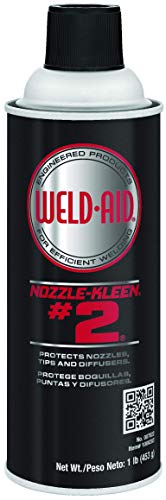
- Silicone-based anti-spatter spray for welding
- Weld spatter removal pad or cleaning pad


Before You Start
Begin with a cool, dry surface and a well-ventilated area. Read product labels for compatibility with metals and paints. Always wear appropriate PPE: safety glasses, gloves, and a respirator if fumes are present. Plan to work in a sequence that prevents re-spatter on cleaned areas, and set aside rags and pads for disposal. Avoid using abrasives on delicate finishes, and never mix cleaners with incompatible coatings.
Time estimate: 20–40 minutes for a typical cleaned panel or workspace, longer for extensive spatter or intricate fixtures.
Step-By-Step: How To Get Rid Of Weld Spatter
- Identify the most affected areas and lay out protective coverings for nearby surfaces.
- Apply a silicone-based anti-spatter spray or anti-spatter spray welding on the metal surface to loosen spatter and protect edges.
- Let the spray sit for the time specified on the label, usually a few minutes, to break down stubborn residues.
- Wipe away loosened spatter with weld spatter remover wipes or a clean cloth; use firm, even pressure to avoid scratching.
- For tougher deposits, use a welding spatter cleaning brush or a weld spatter removal pad to gently scrub away remaining material.
- Reapply anti-spatter protection to the cleaned area to reduce future adhesion in subsequent welds.
- Wipe the surface again with a clean cloth to remove any remaining residue and buff to a dry finish.
- Inspect the cleaned area for ghosting or new splatter during the next weld; re-treatment may be needed for persistent spots.
- Dispose of used wipes and pads in accordance with local waste guidelines and store cleaning supplies properly.
- Document any surfaces that repeatedly attract spatter so you can adjust technique or settings in welding.
- For metal frames or painted surfaces, test a hidden spot first to ensure no discoloration occurs.
- When finished, return tools to their storage area and re-check ventilation and PPE for continued safety.
Troubleshooting
| Symptom | Likely Cause | Fix | Prevention |
|---|---|---|---|
| Spatter reappears quickly after cleaning | Insufficient anti-spatter coverage | Reapply silicone-based or anti-spatter spray evenly | Apply before each weld and maintain a clean setup |
| Streaks or residue after cleaning | Harsh cleaners or abrasive tools used | Switch to gentle wipes and non-abrasive pads | Use purpose-made welding cleaning pads |
| Discoloration on metal | Incompatible cleaner or coating | Test on a non-visible area, choose compatible products | Check material compatibility before use |
| Leftover oil or grease | Surface contamination | Degrease with an appropriate cleaner before welding | Keep work area clean and dry |
Common Mistakes
- Using harsh solvents that damage finishes or paints
- Not allowing anti-spatter products to cure or dry fully
- Scrubbing too aggressively, causing surface scratches
- Skipping a prep step and attempting to clean after welding instead of before
- Neglecting PPE and ventilation during cleaning and welding
Tips For Best Results
- Test cleaners on a small hidden area before wide application
- Apply anti-spatter products in a light, even coat to avoid buildup
- Use a dedicated cleaning pad for welded joints to minimize cross-contamination
- Keep a routine: clean surfaces after each welding session to prevent stubborn buildup
- Store sprays and wipes upright to prevent leaks and extend shelf life
Call A Professional
Signs that require professional assistance include persistent severe spatter on hard-to-clean corners, suspected damage to sensitive coatings, or safety concerns about ventilation and chemical exposure. If spatter removal requires unfamiliar solvents, heat-sensitive materials, or complex fixtures, consult a qualified welder or shop technician.
FAQ
What is the best first step to remove weld spatter?
Begin with a silicone-based anti-spatter spray to loosen deposits, then wipe with weld spatter remover wipes.
Can I use regular household cleaners for welding spatter?
Household cleaners may not be compatible with metals or coatings; use products designed for welding cleanup to avoid damage.
Will anti-spatter sprays affect weld quality?
When used as directed, anti-spatter sprays protect surfaces without impacting weld quality; follow application guidelines closely.
How often should I clean spatter during a project?
Clean as soon as spatter appears and reapply protective spray before resuming welding to minimize buildup.
Are there non-chemical options for spatter removal?
Mechanical tools like spatter removal brushes and pads provide chemical-free options for stubborn residues.
Is it safe to weld over residual spatter?
Residual spatter can affect weld integrity; remove it or ensure it is thoroughly cleaned before continuing.
What PPE is recommended for cleaning spatter?
Safety glasses, gloves, and a respirator or proper ventilation are recommended when using chemical cleaners.
Buying Guide
When choosing products to prevent and remove weld spatter, consider factors such as effectiveness, surface compatibility, and ease of use. Look for silicone-based anti-spatter sprays that form a protective film without clogging weld joints. For removal, select wipes, brushes, or pads designed for welding environments. Noise, odor, and drying time may vary between products, so test a small area first. Consider the type of welding you do (MIG, TIG, or stick) since requirements differ, and ensure products are compatible with your base metals and coatings. A balanced kit often includes anti-spatter spray, spatter wipes, a cleaning brush, and a dedicated cleaning pad for quick, reliable maintenance.