Water stains on a stainless steel sink can be stubborn, especially in busy kitchens. With the right combination of cleaning methods and the proper tools, you can restore a bright, streak-free finish. This guide provides practical, step-by-step instructions tailored for American homes, using common materials and a focus on safe, effective techniques.
By following the routines below, you’ll minimize dull spots, mineral deposits, and smudges while extending the life of your appliance. The goal is a streak-free shine that resists new water marks and stays clean longer between cleanings.
Quick Answer
For best results, start with a gentle cleaner, rinse thoroughly, and finish with a polish to seal the surface. Use circular motions and a microfiber cloth to lift minerals without scratching. If stains persist, switch to a non-scratch scrubber and re-polish for a brighter, uniform look.
What You’ll Need
- stainless steel sink cleaning kit
- microfiber cloth for stainless steel sink polishing
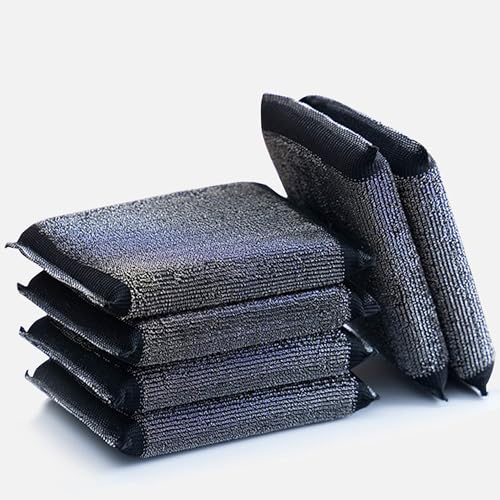
- non-scratch sponge scrubber for stainless steel
- stainless steel polish spray with microfiber applicator pad
- streak-free stainless steel wipe and polish kit


Before You Start
Before tackling water stains, ensure the sink area is clear and dry. Turn off any disposers or garbages that could spray water during cleaning. Work in a well-ventilated area and use gloves if you have sensitive skin. Set aside 20–40 minutes for the initial cleaning, with extra time for polishing if required. Avoid using abrasive pads that can scratch the finish, and test any cleaner on a small, inconspicuous area first.
Step-By-Step: How To Remove Water Stains From A Stainless Steel Sink
- Rinse the sink thoroughly with warm water to remove loose debris and salts that contribute to staining.
- Apply a small amount of cleaner from the stainless steel sink cleaning kit to a microfiber cloth. Gently rub in circular motions along the grain of the metal.
- For mineral deposits, dampen a non-scratch sponge scrubber and lightly scrub the affected areas. Avoid pressing hard to prevent micro-scratches.
- Rinse again to remove cleaner and loosened residue. Inspect the surface for remaining dull spots or streaks.
- Spray a light coat of stainless steel polish spray with the microfiber applicator pad. Buff in small circles until the surface gleams and the finish appears uniform.
- Wipe away any excess polish with a clean microfiber cloth, following the grain direction. This helps reduce streaks and blotching.
- If streaks persist, use streak-free stainless steel wipe and polish kit on the affected areas, following the product instructions for best results.
- Rinse the entire sink again and dry with a fresh microfiber cloth to prevent new water marks from forming as it dries.
- Inspect the sink under lighting to confirm an even finish. Repeat polishing on any stubborn spots as needed.
- Establish a routine: wipe the sink dry after use and do a quick weekly polish to maintain a resilient, streak-free surface.
- Store cleaning materials in a dry area away from direct sunlight to preserve their effectiveness over time.
- If you notice ongoing staining, verify water hardness in your area and consider a mineral-removing cleaner designed for stainless steel surfaces.
Troubleshooting
| Symptom | Likely Cause | Fix | Prevention |
|---|---|---|---|
| Persistent dull spots | Mineral buildup | Use mineral-removing cleaner or a vinegar-water solution, then polish | Wipe dry after use; regular polishing |
| Streaks after polishing | Excess cleaner or improper buffing | Rewipe with fresh microfiber and buff evenly | Apply thin coats; follow grain |
| Scratches appearing | Abrasive material used | Switch to non-scratch sponge and soft cloths | Avoid steel wool or abrasive pads |
| Residue around edges | Residue from cleaners | Rinse thoroughly and wipe dry; polish edges | Rinse well after cleaning |
Common Mistakes
- Using abrasive pads on stainless steel, causing micro-scratches.
- Leaving cleaner on the surface too long, which can leave residue.
- Not drying the sink, leading to new water marks as it dries.
- Over-polishing in one area, which can create uneven sheen.
Tips For Best Results
- Work with the grain of the stainless steel to avoid swirl marks and uneven reflections.
- Choose a spray polish with a microfiber applicator for a uniform finish and easy buffing.
- In humid kitchens, run the faucet for a moment to rinse away minerals that float in the water before cleaning.
- Keep a dedicated microfiber cloth for stainless steel to avoid transferring oils from other surfaces.
- Practice a gentle approach first on a small area to fine-tune your technique before tackling larger sections.
Call A Professional
Consider contacting a professional if the sink shows deep pitting, persistent staining despite multiple cleanings, or if rust appears at the seams. Permanent damage or corrosion may require professional assessment or refinishing services. Also seek help if you feel unsure about using chemical cleaners around a disposal or plumbing connections.
FAQ
Can I use vinegar to remove water stains from stainless steel?
Yes, a diluted vinegar solution can help dissolve mineral deposits; rinse well and dry after use.
Will lemon juice work for staining on stainless steel?
Lemon juice can help with mild mineral deposits due to its acidity, but test first and rinse thoroughly.
What’s the best way to prevent streaks after cleaning?
Buff with a clean microfiber cloth in the direction of the grain and apply a final light coat of polish.
How often should I polish a stainless steel sink?
Polishing once a week or after heavy use keeps the surface bright and resistant to water marks.
Buying Guide
When choosing products to maintain a stainless steel sink, consider factors such as size, noise level, energy efficiency, controls, and placement. For cleaners and polishes, look for streak-free formulations and non-abrasive ingredients that protect the finish. A compact, easy-to-store kit with dedicated microfiber cloths helps sustain results between deep cleans. If you have hard water, select mineral-removing cleaners designed for stainless steel and pair them with a microfiber applicator pad for even coverage. Finally, balance cost with durability by choosing items that are gentle yet effective for everyday use at home. Would you prefer a single all-in-one kit or modular tools you can mix and match?