Volatile organic compounds (VOCs) can affect indoor air quality and comfort. This guide provides practical, step-by-step methods to reduce VOC exposure using common tools and products available in the U.S. market. Readers will learn quick actions, the right equipment, and when to seek professional help to maintain a healthier indoor environment.
Quick Answer
To curb VOCs quickly, start with improved ventilation and targeted air cleaning. Use an air purifier with VOC sensor and activated carbon filter to capture airborne chemicals, supplement with an activated carbon filter cartridges for air purifier, and consider an organic vapor respirator mask with P100 cartridges for higher exposure areas. For testing, run an indoor air quality VOC test kit to identify sources and track progress.
What You’ll Need
- Handheld VOC detector monitor for spot checks and ongoing monitoring
- Air purifier with VOC sensor and activated carbon filter for continuous cleanup
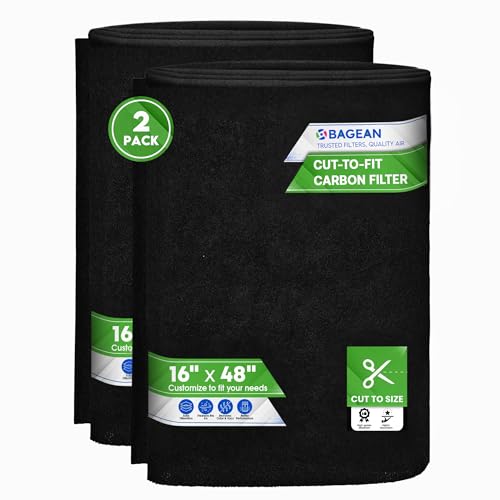
- Activated carbon filter cartridges for air purifier to maintain filtration efficiency
- Organic vapor respirator mask with P100 cartridges for high-exposure tasks
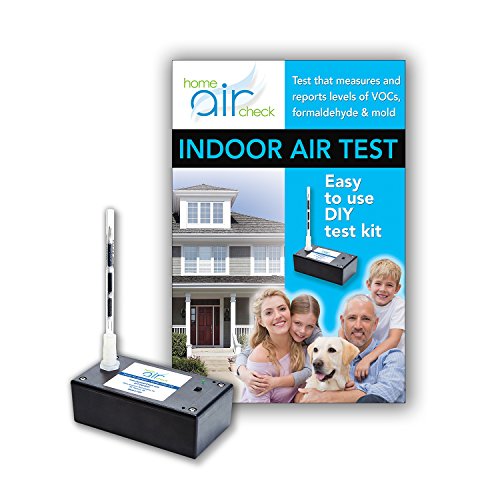
- Indoor air quality VOC test kit to confirm VOC levels

Before You Start
Before beginning, identify common VOC sources such as solvents, paints, cleaners, and new furniture. Ensure proper ventilation by opening windows or using exhaust fans during activities that release fumes. Protect hands and eyes when handling chemicals, and avoid mixing cleaners. Time estimates vary by home size, but plan a few hours for setup and a day or two for noticeable air quality improvements. Important: if you notice strong chemical odors or headaches, reduce exposure immediately and escalate to professional testing if symptoms persist.
Step-By-Step: How To Get Rid Of VOCs
- Open windows and run fans to improve fresh air exchange while addressing VOC sources.
- Place an air purifier with VOC sensor and activated carbon filter in each frequently occupied room, prioritizing bedrooms and living areas.
- Replace or refresh activated carbon filter cartridges for air purifier according to the manufacturer’s schedule to maintain effectiveness.
- Use a handheld VOC detector monitor to identify hotspots and verify that levels decline after improvements.
- Seal known sources if possible (e.g., avoid storing solvents in living spaces, properly seal paint cans).
- Cover and store chemicals in well-ventilated areas away from occupancy zones during renovations or cleaning.
- During painting or flooring work, wear a suitable respirator such as an organic vapor respirator mask with P100 cartridges and avoid staying in a high-VOC area for extended periods.
- After initial improvements, run the air purifier continuously and re-test with the indoor air quality VOC test kit to confirm reductions.
- Establish a maintenance rhythm: replace filters on schedule and monitor VOC levels periodically.
- Document results and adjust placement of purifiers or additional filtration as needed for optimal coverage.
- Consider professional air quality assessment if VOC readings persist above safe guidelines.
Troubleshooting
| Symptom | Likely Cause | Fix | Prevention |
|---|---|---|---|
| Persistent odors after purifier running | Insufficient filtration or hidden VOC source | Increase purifier usage; identify and remove source | Ventilate during source activities; use dedicated VOC testing |
| VOC readings spike after cleaning | Residual cleaners or solvents | Airlout area; run purifier with fresh carbon filters | Choose low-VOC or VOC-free cleaning products |
| Filter changes too frequent | High VOC load or low-quality filters | Upgrade to higher-capacity or better-rated carbon filters | Match filter to room size and VOC exposure |
| Mask feels uncomfortable during use | Improper fit or prolonged wear | Re-fit mask, follow usage guidelines | Use only when needed and rotate with breaks |
Common Mistakes
- Relying on a single purifier in a large space
- Using high-VOC products in occupied rooms without ventilation
- Ignoring filter replacement schedules, reducing purifier effectiveness
- Underestimating the importance of source control and ventilation
Tips For Best Results
Place purifiers away from directly emitting sources and near breathing zones for maximum impact. Pair filtration with source control, such as choosing low-VOC paints and cleaners. Regularly re-test air with an indoor air quality VOC test kit to confirm sustained improvements. Consider combining a handheld VOC detector monitor with smart air purifiers for continuous feedback and automation.
Call A Professional
Seek professional help if VOC readings remain elevated after implementing the above steps, if you can’t identify the source, or if health symptoms persist. Stop work that emits strong fumes and consult an environmental inspector or industrial hygienist for a formal assessment and remediation plan.
FAQ
What are VOCs and why do they matter?
Volatile organic compounds are chemicals that off-gas from products and can affect indoor air quality. Reducing VOCs improves comfort and health.
How quickly can I see improvements in air quality?
Improvements can occur within days with ventilation, filtration, and source control, though some sources may require longer remediation.
Can I rely on a single device to remove VOCs?
Single devices help, but comprehensive reduction usually requires multiple strategies including source control and proper filtration.
Is a respirator mask necessary indoors?
For routine VOC exposure, a respirator is not typically required; it may be needed for tasks with high chemical exposure or painting, with proper fit and usage.
Buying Guide
When choosing equipment to get rid of VOCs, consider size, noise level, energy efficiency, and controls. For portable use, size and noise matter, while for whole-room coverage, durability and filtration capacity matter more. Look for devices with a dedicated VOC sensor and activated carbon filter for optimized performance. Compare models that allow real-time VOC readouts via an app or display. Placement matters; put purifiers in high-traffic areas and near suspected VOC sources for faster results. For more severe concerns, combine testing with professional assessment to target interventions precisely.