Vinegar is a common cleaning agent, but its strong odor can linger in carpets long after a spill or cleaning session. With a few proven methods and the right products, you can neutralize the scent and restore freshness to your carpeted rooms. This guide covers practical steps, safety tips, and product options available in the American market.
Rather than masking the odor, the goal is to break down or absorb the volatile molecules responsible for the vinegar smell. The methods below combine deodorizing sprays, absorbent powders, and mechanical cleaning to tackle both surface odors and deeper fibers.
Quick Answer
Act quickly to blot and dilute spills, use an odor-neutralizing spray or enzymatic cleaner, and finish with an absorbent deodorizing powder or baking soda. For persistent smells, a carpet steam cleaner designed for odor removal can be effective, followed by a dedicated odor neutralizer spray enzyme for ongoing protection.
What You’ll Need
- Carpet steam cleaner for odor removal
- Enzymatic carpet odor remover spray
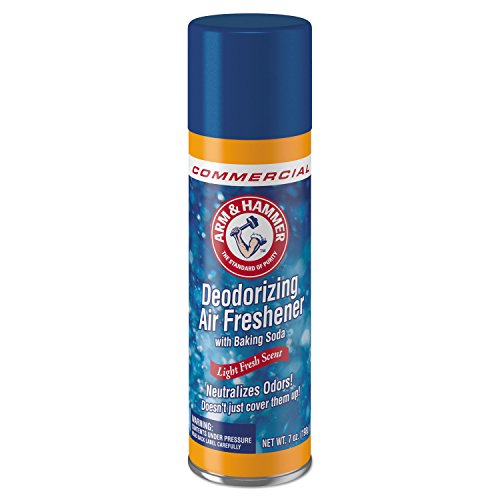
- Carpet deodorizer spray baking soda
- Vinegar smell remover carpet cleaner
- Odor neutralizer for carpets spray enzyme


Before You Start
Identify the source of the vinegar odor and ensure the area is well ventilated. Check carpet fibers for staining or damage before applying cleaners. Test any product on a small, inconspicuous area to confirm colorfastness. Allow ample drying time between steps, especially if using water-based cleaners. Avoid saturating the carpet, which can trap moisture and worsen odors. Anticipate a time range of 1–3 hours for initial treatments, with longer drying for dense carpets.
Step-By-Step: How To Remove Vinegar Smell From Carpet
- Blot the area with clean towels to absorb excess liquid, moving from the outside toward the center to prevent spreading.
- Rinse lightly with a small amount of clean water, then blot again to remove residual liquid.
- Apply enzymatic cleaner or enzymatic carpet odor remover spray to the affected fibers, following product directions. Enzymes target organic molecules that contribute to odors.
- Let sit for the recommended dwell time to maximize enzyme action, usually 10–20 minutes.
- Use odor neutralizer spray for carpets with added enzyme action to halt lingering scents and provide ongoing protection.
- Deodorize with baking soda or a carpet deodorizer spray baking soda after the enzymatic treatment. Sprinkle lightly and leave for several hours if possible, then vacuum.
- Optional steam cleaning with a carpet steam cleaner for odor removal can remove deeper residues. Run a clean water cycle after cleaning to rinse.
- Dry thoroughly by opening windows, using fans, or a dehumidifier. Do not walk on the carpet until completely dry.
- Recheck and repeat if the odor persists. Additional applications may be necessary for strong odors.
- Final protection spray a light layer of odor neutralizer for carpets spray enzyme to maintain freshness over time.
Troubleshooting
| Symptom | Likely Cause | Fix | Prevention |
|---|---|---|---|
| Strong vinegar odor remains after cleaning | Insufficient enzyme action or incomplete drying | Reapply enzymatic cleaner and allow longer dwell; use a dehumidifier | Address spills promptly; ensure rapid drying |
| Odor returns after several days | Moisture trapped in padding or base layers | Steam clean again and inspect underlay; consider professional assessment | Improve ventilation during cleaning |
| Discoloration after cleaner application | Cleaning solution too concentrated on fibers | Rinse with clean water and blot; test next time | Test products in inconspicuous area first |
| Sticky residue after deodorizing powder | Over-application or poor vacuum | Thoroughly vacuum; apply thinner layers | Use recommended amounts per product instructions |
Common Mistakes
- Using too much vinegar or leaving vinegar in contact with carpet fibers longer than advised
- Neglecting to ventilate the room, which prolongs odor presence
- Skipping a test patch, risking color bleed or fiber damage
- Over-wetting the carpet, leading to mold or mildew growth
Tips For Best Results
- Act quickly: Blot and dilute spills as soon as possible to limit odor absorption.
- Prioritize enzymes: Enzymatic carpet odor remover spray targets organic odors at the source.
- Layer deodorizers: Use a combination of enzymatic cleaners and baking soda for robust odor control.
- Ventilate and dry: Good airflow and fast drying reduce odor carryover.
- Choose appropriate cleaners: Select products labeled for odor removal and carpet safety.
Call A Professional
Seek professional help if odors persist after multiple at-home treatments, or if the stain covers a large area, or if the carpet is a wall-to-wall installation with padding concerns. Signs to contact a pro include persistent strong odors, stained backing, or damp patches that fail to dry after 24–48 hours.
FAQ
Can vinegar smell be completely removed from carpet?
Most odors can be significantly reduced with enzymatic cleaners, odor neutralizers, and proper drying, though very old odors may require repeated treatments.
Is baking soda safe for all carpet types?
Generally safe for most fibers, but test first on a hidden area to prevent whitening or grit residue.
How long should I wait after deodorizing before walking on the carpet?
Allow the carpet to dry completely, typically 2–6 hours depending on ventilation and carpet thickness.
When should I call a professional for vinegar odor in carpet?
If odor persists after multiple at-home treatments or if there is suspected padding damage, contact a carpet cleaning professional.
Will a steam cleaner remove vinegar odor?
A carpet steam cleaner can help lift residues and odors, especially when used with a specialized odor removal solution. Follow manufacturer instructions.
Are enzyme-based products better than chemical fragrances?
Enzyme-based products target the source of odors, while fragrances simply mask them; for persistent odors, enzymes are typically more effective.
Should I replace the padding if the odor returns?
Odors returning after cleaning may indicate padding or underlayment contamination; a professional assessment can determine replacement needs.
Buying Guide
When choosing products to combat vinegar smells in carpet, consider size, odor strength, and how the product interacts with carpet fibers. The following factors help compare options effectively:
- Size and coverage: Look for appropriately sized bottles or concentrates that suit the room and stain scale.
- Odor control performance: Enzymatic cleaners and odor neutralizers generally provide deeper action than fragrances alone.
- Ease of use: Spray formulas with clear directions and dwell times save time and avoid over-application.
- Safety: Check for kid- and pet-safe formulations and colorfast testing instructions.
- Compatibility: Ensure products are suitable for your carpet fiber (nylon, polyester, wool, etc.).
- Drying time: Faster-drying products reduce downtime and mildew risk.
- Placement and usability: For large areas, consider options that target both surface odors and deeper fibers.
- Noise and ease-of-use of any associated equipment: If using a carpet steam cleaner, review noise levels and usability for home settings.
By weighing these factors, homeowners can select a combination of products—such as a carpet steam cleaner for odor removal, enzymatic carpet odor remover spray, carpet deodorizer spray baking soda, and odor neutralizer for carpets spray enzyme—that deliver effective results without damaging carpet fibers. The goal is a fresh, neutral environment with minimal downtime and clear, lasting results.