Vacuum odors can linger after cleaning, especially in homes with pets or high-traffic areas. This guide outlines practical, step-by-step methods to neutralize smells and keep your vacuum working fresh. By using targeted odor control products and simple maintenance, you can reduce or eliminate lingering scents during and after vacuuming.
Quick Answer
Quick methods: replace or refresh filters, use odor-control accessories, and apply a deodorizing spray only where appropriate. For persistent smells, combine a carbon-based odor absorber with a deodorizing cartridge or spray designed for vacuums.
What You’ll Need
- activated carbon vacuum odor absorber filter
- HEPA vacuum filter replacement odor control
- vacuum cleaner deodorizer cartridge
- pet odor vacuum filter with charcoal
- vacuum interior deodorizing spray attachment


Before You Start
Before tackling vacuum odors, ensure the unit is unplugged and cooled. Check the user manual for filter compatibility and replacement schedules. Carefully inspect bags or canisters for mold, moisture, or clogs. Prepare the area by ensuring good ventilation and small test sprays away from fabrics to avoid staining. Time estimate: 15–45 minutes for a full refresh, depending on model complexity.
Step-By-Step: How To Remove Vacuum Smell
- Unplug the vacuum and remove the bag or dust canister to inspect for moisture and odor sources.
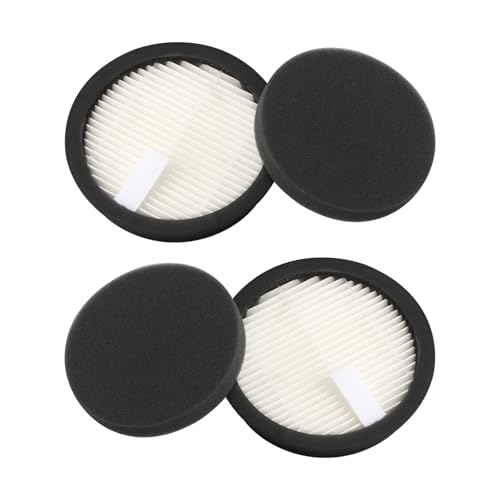
- Replace the main HEPA and post-motor filters with HEPA vacuum filter replacement odor control where compatible.
- Install an activated carbon vacuum odor absorber filter or pet odor vacuum filter with charcoal to capture smells at the source.
- Insert a vacuum cleaner deodorizer cartridge if your model supports it, following the manufacturer’s instructions.
- Use the vacuum interior deodorizing spray attachment in a small, enclosed space first to test compatibility.
- Wipe down interior surfaces with a damp cloth to remove dust buildup that traps odors, then reassemble.
- Run the vacuum on a short cycle with the deodorizer cartridge engaged to distribute the deodorizing agents.
- Vacuum a near-test area (e.g., a towel or rug) to evaluate odor reduction; adjust filter or cartridge placement as needed.
- Schedule regular filter changes and deodorizer replacements to maintain freshness.
- Store the vacuum with the hose and attachments clean and dry to prevent odor recurrence.
- If odors persist, consider using a dedicated room deodorizer away from the vacuum intake and check for hidden moisture sources in the cleaning area.
- Consult the manufacturer if odors continue after all components are replaced and cleaned.
Troubleshooting
| Symptom | Likely Cause | Fix | Prevention |
|---|---|---|---|
| Odor remains after replacement | Filter not properly seated | Reseat or replace filter correctly | Follow manual during installation |
| Musty smell on first use | Moisture inside canister or bag | Dry components completely before use | Store in a dry area |
| Burnt odor during operation | Motor strain or clog | Clear blockages; inspect belt and vents | Regular maintenance |
| No deodorizing effect | Deodorizer cartridge exhausted | Replace cartridge as recommended | Maintain replacement schedule |
Common Mistakes
- Using too much deodorizer spray directly into the vacuum canister
- Ignoring filter replacement intervals
- Overlooking hidden moisture or mold sources in cleaning areas
- Mixing incompatible filters or cartridges
Tips For Best Results
- Pair odor-absorbing filters with high-efficiency HEPA replacements for maximum capture.
- Ventilate the space during and after vacuuming to speed odor dissipation.
- Clean attachments and hoses periodically to prevent carried-over smells.
- Rotate deodorizing products to avoid receptor fatigue, which can reduce effectiveness.
- Keep pets and dusty areas away from ventilation intakes when possible.
Call A Professional
Consider professional help if odors persist after thorough filtration and cleaning, or if mold or moisture damage is suspected in the vacuum, ducts, or cleaning area. Stop usage and contact a service technician when you notice unusual noises, overheating, or smoke.
FAQ
What is the best filter to reduce vacuum smells?
Using a combination of a high-quality HEPA filter and an activated carbon odor absorber filter typically provides the strongest odor control.
Can I use fragrance sprays with a vacuum?
Yes, but only if the spray is designed for vacuum use and installed in the appropriate spray attachment or filter compartment.
How often should I replace vacuum filters for odor control?
Follow the manufacturer’s guidelines, typically every 3–12 months depending on usage and model.
Why does my vacuum smell even after cleaning?
Residual moisture, hidden mold, or trapped odors in carpets can re-emerge; inspect the area and replace affected components.
Are charcoal or carbon filters more effective?
Charcoal-based filters are generally more effective at absorbing odors than standard filters alone.
Is it safe to use perfumes or essential oils in the vacuum?
Only if the product is explicitly labeled for vacuum use and compatible with your model’s components.
Should I replace both bags and filters at the same time?
Yes, replacing both can maximize odor removal and maintain suction efficiency.
What if the smell is coming from the hose?
Clean or replace the hose and spray a deodorizing solution compatible with hoses to neutralize odors.
Buying Guide
When choosing odor-control upgrades for a vacuum, consider size, noise level, energy efficiency, controls, and placement. Size matters for compatibility with your model and the amount of odor-absorbing material available. Noise levels may change with additional filters or cartridges; look for models with quiet operation in mind. Energy efficiency is important when adding powered odor components. Controls should be easy to use, with clear indicators for filter and cartridge life. Finally, placement of deodorizing elements should avoid direct contact with delicate fabrics and ensure safe, odor-neutral environments. For best results, compare products with similar compatibility and read user reviews for real-world performance across pet-owned homes and high-traffic spaces.