Turmeric is a vibrant spice that can leave stubborn yellow-orange stains on fabrics, countertops, and other surfaces. With the right approach and common tools, most turmeric stains can be lifted without damaging the material. This guide provides a practical, step-by-step method using accessible products and safe techniques for American households.
Quick Answer
Act quickly by rinsing or blotting the stain, then treat with a stain remover spray or oxygen bleach powder, followed by gentle scrubbing and thorough rinsing. For fabrics, repeat as needed and air-dry away from direct sunlight. For tougher stains, use a stain removal pen on clothing, or a scrub brush set to agitate the area before rinsing.
What You’ll Need
Gather tools and products designed to tackle turmeric stains on different surfaces. The following items are commonly helpful for a comprehensive stain management routine:
- Turmeric stain remover spray 16oz for fabrics & countertops
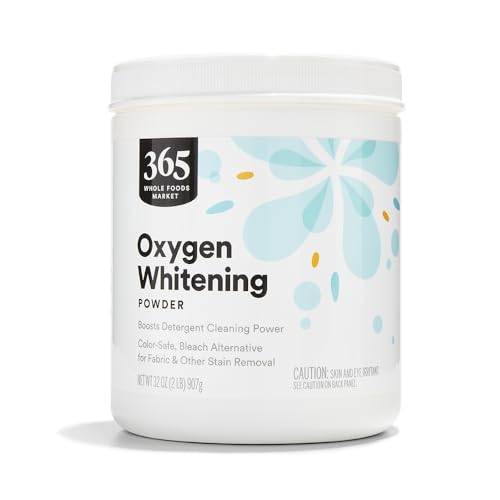
- Oxygen bleach powder for turmeric stain removal
- Stain removal pen turmeric on clothes fabric
- Microfiber cleaning cloth for turmeric stain removal
- Scrub brush set for turmeric stains on fabrics


Before You Start
Prepare a clean workspace and protect surrounding surfaces. Test any cleaner on a hidden area of fabric or countertop to confirm colorfastness. Time is a factor—the sooner you act after a stain appears, the higher the chance of complete removal. Safety notes: wear gloves if handling powders and avoid mixing cleaners unless the product instructions allow it. For delicate fabrics, always treat in small sections first and avoid heat, which can set stains.
Step-By-Step: How To Remove Turmeric Stains
- Identify the surface and choose the appropriate method: fabrics generally respond well to stain remover spray or oxygen bleach, while countertops may need a dedicated cleaner and a detergent solution.
- Rinse fresh stains immediately with cool water from the underside of the fabric to push turmeric out rather than through the fibers.
- Apply a small amount of turmeric stain remover spray 16oz for fabrics & countertops directly to the stained area on fabrics or surfaces; allow it to sit for 5–10 minutes for penetrative action.
- For fabric stains, prepare a paste with oxygen bleach powder for turmeric stain removal and water if recommended by the product label; gently scrub with the scrub brush set for turmeric stains on fabrics.
- Use a microfiber cleaning cloth for turmeric stain removal to blot and lift loosened particles without abrading the fabric.
- If the stain persists on clothing, apply the stain removal pen turmeric on clothes fabric to the center of the stain and blot outward; repeat as needed.
- Rinse thoroughly with clean water and inspect the area under good lighting. If any yellow tint remains, repeat the treatment steps.
- Let fabrics air-dry away from direct sunlight to prevent potential color fading or setting of the stain.
- For hard surfaces, wipe with a clean microfiber cloth after applying the cleaner and rinse with water; repeat if necessary.
- Document the stain and cleaner performance; label a dedicated stain removal routine if spills are frequent in the area.
- Dispose of any used cleaning materials responsibly and store products in a cool, dry place.
Troubleshooting
| Symptom | Likely Cause | Fix | Prevention |
|---|---|---|---|
| Yellow stain remains after washing | Stain set by heat or long contact | Re-treat with oxygen bleach and rinse again | Avoid hot water; treat promptly |
| Fabric color fading after cleaning | Harsh cleaner or bleach overexposure | Rinse thoroughly and use milder cleaner next time | Test in hidden area first |
| Stain spreads while cleaning | Rubbing too aggressively | Blot gently with microfiber cloth; use dabbing motions | Work from outside in |
| No improvement after multiple attempts | Stain deeply embedded | Consider professional upholstery or dry cleaning for fabrics | Address immediately next time |
Common Mistakes
- Using hot water on turmeric stains, which can set color
- Rubbing vigorously, which pushes stain deeper into fibers
- Skipping a test in an inconspicuous area before full application
- Using incompatible cleaners together without checking guidelines
Awareness of these pitfalls helps prevent permanent staining and fabric damage.
Tips For Best Results
- Work from the outside edge of the stain toward the center to prevent spreading.
- Pair stain remover sprays with microfiber cloths for efficient lift and minimal abrasion.
- For persistent stains on white fabrics, oxygen bleach is often effective when used as directed.
- Keep stain-prone areas protected with a removable cover or mat to minimize future staining.
Call A Professional
Seek professional help if the stain is on valuable textiles, antique fabrics, or upholstery with delicate fiber blends. Stop signs include color bleeding that worsens after home treatment, or if a stain covers a large area and remains after multiple attempts. A professional cleaner can assess fiber content and use industry-grade products safely.
FAQ
Can turmeric stains come out of white fabrics?
Yes, many white fabrics respond well to oxygen bleach treatments, but always test first and follow label directions.
Is heat safe to apply after stain removal products?
No—heat can set turmeric stains; air-dry or use cool or room temperature methods unless specified otherwise.
What is the best surface to start with when removing turmeric stains?
Start with the least intrusive method on the least visible area to gauge effectiveness before broader application.
Should I mix cleaners for turmeric stains?
Avoid mixing cleaners unless the product instructions explicitly allow it, as chemical reactions can be dangerous.
Buying Guide
When choosing products for turmeric stain removal, consider the following factors to ensure effective results across fabrics and surfaces:
- Size and coverage: A 16oz stain remover spray provides broad coverage for fabrics and countertops; larger sizes may be more economical for frequent stains.
- Stain removal power: Oxygen bleach powders are effective on organic stains but require correct dilution; ensure the product is suitable for the fabric type you clean.
- Targeted tools: A stain removal pen is convenient for on-the-go spot treatment on clothes, while a scrub brush set helps agitate tougher fabrics.
- Materials compatibility: Check labels to confirm compatibility with cotton, polyester, silk, or blends to avoid damage.
- Ease of use: Microfiber cloths provide gentle lifting without abrasion; prefer sprays for quicker coverage, and pens for precise spots.
- Ventilation and safety: Cleaners should be used in well-ventilated areas, with gloves if handling powders or concentrated formulas.
- Placement considerations: For countertop spills, choose non-abrasive cleaners; for fabrics, select fabric-safe formulations and test area first.
By evaluating these factors, users can select a practical, effective stain-removal system tailored to their household needs and typical spill scenarios.