Sticker residue on plastic surfaces can be stubborn, but many common household tools and gentle cleaners can remove it without damaging the material. This guide provides practical steps, safety tips, and product suggestions to restore plastic finishes—from kitchen appliances to toys and car interiors.
Quick Answer
Use a plastic-safe adhesive remover or citrus-based solution, let it sit briefly, then gently scrape with a plastic scraper or razor blade designed for plastic. Wipe clean and repeat if needed. Always test a small area first and avoid harsh solvents on delicate plastics.
What You’ll Need
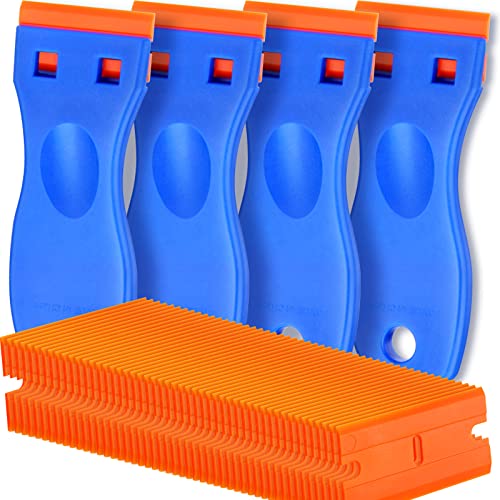
- Plastic scraper for sticker residue – to lift and remove goo without scratching
- Adhesive remover spray for plastic surfaces – loosens residue
- 3M adhesive remover plastic safe – a trusted option for tough jobs
- Citrus-based adhesive remover for sticker residue – pleasant scent and effective
- Razor blade scraper plastic safe sticker residue removal – for bevelled edges or stubborn spots
- Soft microfiber cloths
- Warm water and mild dish soap
- Optional: rubbing alcohol or mineral oil for final cleanup


Before You Start
Prepare a small, inconspicuous test area to ensure the cleaner won’t alter the plastic’s color or finish. Work in a well-ventilated area and wear gloves to protect skin. For painted or textured plastics, avoid aggressive scraping. Time estimates vary: light residue may take a few minutes, while heavy buildup could require multiple passes.
Important cautions: do not use abrasive cleaners on glossy or delicate plastics; never apply solvents directly to electronics or coated surfaces unless the manufacturer permits it; always wipe residue toward the center to avoid spreading adhesive.
Step-By-Step: How To Get Rid Of Sticker Residue On Plastic
- Identify the residue type and select the right remover (citrus-based or adhesive remover). Start with the gentlest option.
- Apply a small amount of remover to a soft cloth or directly onto the residue. Allow it to sit for 30–60 seconds to soften the adhesive.
- Use a plastic scraper for sticker residue or a blunt edge to lift the edge of the film. Work slowly to avoid scratching the surface.
- Gently rub the area with the cloth in circular motions until the residue breaks free. Reapply remover as needed.
- For stubborn spots, try a 3M adhesive remover plastic safe on a fresh cloth and repeat the process. Wipe clean with warm water.
- If any adhesive remains, dampen a cloth with rubbing alcohol or mineral oil and wipe away. This helps dissolve remaining oils.
- Rinse the area with mild soap and water, then pat dry with a clean towel. Inspect for any remaining stickiness and repeat steps if necessary.
- Finish with a light buff to restore the plastic’s sheen. If the surface appears dulled, consider a plastic-safe polish or conditioner following manufacturer guidelines.
Troubleshooting
| Symptom | Likely Cause | Fix | Prevention |
|---|---|---|---|
| Residue remains after first pass | Adhesive is thick or cured | Reapply remover and wait longer; use plastic scraper | Test removal method on a hidden area first |
| Scratches appear on glossy plastic | Using a sharp blade or aggressive scrubbing | Switch to softer tools; avoid metal blades | Use gentler pressure and more solvent in successive passes |
| Discolored spot after cleanup | Harsh solvent interaction with dye or coating | Rinse immediately and discontinue use | Choose citrus-based or milder solvents when in doubt |
| Residue reappears after drying | Adhesive remains embedded in micro-texture | Clean with multiple passes and a fresh cloth | Consider a sealant or protective coating post-cleanup |
Common Mistakes
- Using metal razors or harsh abrasives on plastic surfaces
- Applying cleaners directly to electronics or screens
- Rubbing aggressively, which can create scratches or remove finishes
- Skipping a test patch before full-area use
Instead, control the amount of remover, test on a small spot, and work patiently until the residue lifts.
Tips For Best Results
- Let cleaner sit longer on thick residue for better penetration, especially on textured plastics
- Work from the edge of the sticker toward the center to prevent spreading
- Keep solvents away from painted surfaces and edges with delicate finishes
- Finish with a mild soap rinse and a soft dry wipe to restore gloss
Call A Professional
If the plastic is valuable or delicate (antique plastics, high-gloss finishes, or programmable appliances), or if there is heat-sensitive electronics nearby, stop and consult a professional. Seek help promptly if you notice color changes, crazing, or peeling coatings around the residue.
FAQ
What remover is safest for plastic surfaces?
A citrus-based or plastic-safe adhesive remover is typically safest for most plastics, especially when tested on a hidden area first.
Can I use rubbing alcohol to finish the job?
Yes, after using a remover, rubbing alcohol can help dissolve remaining oils; rinse well to prevent residue buildup.
Will sticker residue come off with water alone?
Water alone usually won’t remove adhesive, but warm soapy water can help loosen it after a solvent is applied.
Is there a risk of damage to electronics nearby?
Yes, avoid solvents near electronics. Use only minimal contact with the surface and keep cleaners away from ports and circuitry.
How can I prevent future sticker residue?
Apply removable labels or light coatings that are easier to peel, and remove labels promptly when cleaning surfaces.
Buying Guide
When choosing products to remove sticker residue on plastic, consider size, formulation, and surface compatibility. Key buying factors include:
- Size and applicator: A spray bottle or wipe-and-go kit works well for larger areas and quick jobs, while small plastic-safe scrapers fit tight corners.
- Noise and odor: Citrus-based removers are usually mild and pleasant; some sprays may have stronger scents or fumes—choose according to tolerance and indoor use.
- Energy efficiency and safety: No energy use is required for manual removal, but select non-corrosive formulas labeled plastic-safe to minimize risk.
- Controls and ease of use: Look for removable cap designs, no-drip applicators, and clear instructions on dwell time.
- Placement and packaging: For kitchen and bathroom plastics, prefer water-washable formulas; keep cleaners out of reach of children and pets.
Several factors influence results: the type of plastic (e.g., polypropylene vs. ABS), the adhesive’s age, and whether the surface is textured. For most users, starting with a citrus-based adhesive remover and a plastic scraper provides a reliable balance of effectiveness and safety. If the surface is coated or glossy, perform a patch test and proceed slowly to avoid damage.