Standing water in gutters can cause damage to the roof edge, encourage mold growth, and attract insects. This guide covers practical, step-by-step methods to remove water and improve drainage, using common gutter tools and safety practices relevant to American homes.
Quick Answer
Clear any blockages to allow water to flow freely, then install or upgrade leaf guards if needed. Use a telescoping gutter cleaning wand or gutter scoop debris remover to remove obstructions, followed by a downspout snake auger if debris is stubborn. Ensure gutters slope properly and check for leaks or bends that trap water.
What You’ll Need
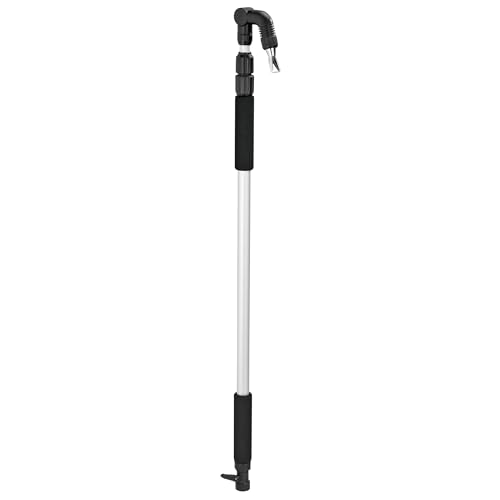
- Telescoping gutter cleaning wand
- Gutter scoop debris remover
- Gutter cleaning rake attachment
- Gutter leaf guard system
- Downspout snake auger


Before You Start
Plan to work from a sturdy ladder, with a second person supervising for safety. Wear gloves, eye protection, and non-slip footwear. Check local weather and avoid working on wet or windy days. Clear a wide area around the gutter and remove nearby debris that could fall during cleaning. Never lean over the ladder to reach the gutter; move the ladder frequently. This process may take 30–90 minutes depending on gutter length and blockage severity.
Step-By-Step: How To Get Rid Of Standing Water In Gutters
- Inspect the gutter line for standing water hotspots and obvious clogs at the roof edge and at downspouts.
- Use a telescoping gutter cleaning wand to flush water away from the clog and to dislodge loose debris safely from the ground level or from a ladder reach.
- Insert a gutter scoop debris remover into the gutter to scoop out leaves, silt, and compacted debris that block water flow.
- Check the gutter slope by running water from a hose at one end; observe if water drains toward downspouts or pools mid-span.
- Address minor clogs by repeating scooping and flushing until the water runs freely toward downspouts.
- If water remains, use a downspout snake auger to clear jams inside the downspout that cause backflow and ponding in gutters.
- Inspect the gutter joints and sealant for leaks that can hold standing water; reseal any gaps after clearing debris.
- Consider installing a gutter leaf guard system to reduce future blockages and improve drainage during storms.
- Re-check after a light rain or simulated water test to confirm there is no standing water and that flow is continuous to the ground.
- Plan seasonal maintenance: clean gutters twice a year and after heavy storms to prevent future standing-water issues.
- If standing water persists despite cleaning, evaluate roof edge and eave damage that may alter slope or create hidden obstructions requiring professional assessment.
Troubleshooting
| Symptom | Likely Cause | Fix | Prevention |
|---|---|---|---|
| Water pools in gutter after rain | Poor slope or sagging gutters | Re-profile or tighten hangers to restore a slight downward angle | Inspect and maintain slope annually |
| Water backs up at downspout | Downspout blockage or crushed pipe | Use downspout snake auger to clear; replace crushed sections | Install leaf guards; inspect downspouts after storms |
| Frequent clogs from leaves | Absent leaf guard system or poor filtering | Install a gutter leaf guard system | Keep vegetation trimmed and gutters clean |
| Water leaks at seams | Worn sealant or loose joints | Re-seal with gutter sealant and tighten hardware | Schedule resealing every season or after heavy freezing |
| Downspouts not draining away from foundation | Improper outlet positioning | Redirect outlet farther from foundation or extend with splash block | Ensure splash protection near home exterior |
Common Mistakes
- Using a metal scraper that damages gutter coating
- Working from a wobbly or unstable ladder
- Forcing debris through the downspout and causing a deeper blockage
- Neglecting to inspect roof edges for damaged flashing
- Ignoring safety gear and protective eyewear
Tips For Best Results
- Schedule maintenance in late spring or early fall when debris levels are moderate.
- Test gutters with a garden hose to confirm water flows freely during routine checks.
- Combine tools for efficiency: a telescoping wand for initial flush, a scoop for stubborn debris, and a snake auger for downspouts.
- Pair gutter cleaning with leaf guard installation to reduce future maintenance needs.
- Label critical areas that frequently clog, so you can target those sections first during cleaning.
Call A Professional
Consider contacting a pro if you notice persistent standing water after cleaning, significant sagging, or signs of roof damage. Stop signs include persistent leaks after resealing, structural movement of gutters, or downspouts that cannot be cleared safely. A professional can assess drainage, roof integrity, and structural risks to prevent water damage.
FAQ
What causes standing water in gutters?
Common causes include poor slope, heavy debris, clogged downspouts, and damaged gutters that trap water in mid-span.
Can I install leaf guards to prevent standing water?
Yes, installing a gutter leaf guard system helps reduce debris buildup and maintain better drainage over time.
How often should I clean gutters to avoid standing water?
Most homes benefit from cleaning twice a year, plus after major storms or heavy leaf fall.
Is a downspout auger safe for PVC and metal pipes?
Yes, a downspout snake auger designed for gutters is safe for both PVC and metal pipes when used carefully.
Buying Guide
Choosing the right tools and configurations can make standing-water issues easier to prevent and correct. Consider key buying factors that influence performance and long-term maintenance.
Key Buying Factors
- Gutter type compatibility: Ensure tools fit your gutter material (PVC, aluminum, or steel) and profile.
- Length and reach: A telescoping wand and rake attachment should extend to your highest gutters without overreaching from the ground.
- Effectiveness of the scoop: A robust gutter scoop debris remover helps remove wet, compacted material without damaging seams.
- Downspout clearance: A capable downspout snake auger is essential for interior obstructions that cause standing water.
- Leaf guard compatibility: If choosing a leaf guard system, verify compatibility with your gutter size and roof edge style.
Size, Noise, And Efficiency
- Gutter tools come in lightweight, mid-weight, and heavy-duty options. Pick based on the size of your home and typical debris load.
- Most handheld or telescoping tools operate quietly; consider electric or manual variants based on preference.
- Energy efficiency is less about the tools and more about minimizing water damage through better drainage and fewer repairs.
Controls And Placement
- Choose tools with comfortable grips and secure locking mechanisms for stability during use.
- Place ladders on stable ground; use a ladder stabilizer for added safety when reaching gutters.
- Plan tool storage near the entry point to your gutters for quick access during maintenance.
Maintenance And Life Span
- Rinse tools after use to remove dirt and prevent corrosion; store in a dry area.
- Inspect heads, screws, and wands for wear and replace as needed to maintain performance.
- Regularly inspect gutters themselves to catch early signs of damage that could contribute to standing water.