Introduction
Soy sauce stains can be stubborn, especially on light-colored fabrics. A quick, correct approach helps lift the pigment without setting the mark. The following guide outlines practical steps, tool options, and safety notes to tackle soy sauce stains at home using common laundry products.
Quick Answer
Act fast with cold water rinse, treat with a stain remover suited for fabric type, dab without rubbing, and launder as directed. For tough areas, repeat the treatment before air drying to avoid heat setting the stain.
What You’ll Need
- Enzyme laundry stain remover spray for fabric 16 oz
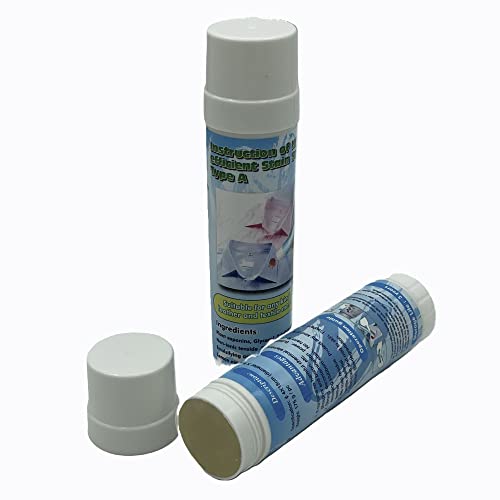
- Stain removing pen for clothes soy sauce pre-wash treatment
- Pre-wash stain remover spray for tough stains on shirts cotton
- Color-safe stain remover gel for fabric furniture soy sauce
- Ultra-concentrated laundry stain treatment for delicate fabrics 8 oz


Before You Start
Test any product on an inconspicuous fabric spot first to check colorfastness. Blot, don’t rub, to prevent spreading. Use cold water for initial rinsing to avoid setting the stain with heat. If the item is washable, follow care labels; for delicate fabrics, a gentler formula is recommended. Expect a stain removal process that may take several steps and repeat applications for the best results.
Critical cautions: Avoid hot water until you know the stain is lifting. Do not iron or machine-dry a stained area until it is fully clean, as heat can set the stain.
Step-By-Step: How To Remove Soy Sauce Stains
- Rinse the stain under cold running water from the back of the fabric to push the pigment out of the fibers.
- Blot excess liquid with a clean cloth; avoid rubbing to reduce fiber damage.
- Apply enzyme laundry stain remover spray for fabric 16 oz or pre-wash treatment, focusing on the stain margin. Let sit 5–10 minutes.
- Gently blot with a clean cloth, then reapply a second coat if the stain remains visible.
- For tough stains on shirts or cotton, use pre-wash spray again and lightly rub the fabric with your fingers to aid penetration.
- Rinse thoroughly with cold water to remove residue from the treatment products.
- Launder according to the fabric care label using the appropriate cycle and detergent. Avoid dryer until the stain is completely gone.
- Inspect after washing; if any color remains, repeat the treatment with an appropriate product for delicate fabrics or color-safe options before drying.
Troubleshooting
| Symptom | Likely Cause | Fix | Prevention |
|---|---|---|---|
| Stain persists after washing | Stain deeply set or treatment not fully effective | Repeat treatment with enzyme or pre-wash spray, then rewash | Treat promptly; avoid heat until stain is removed |
| Fabric color fades | Over-aggressive scrubbing or wrong product | Switch to a color-safe gel and blot gently | Test spot first; use recommended products for fabric type |
| Stain spreads during washing | Stain is not fully removed from fibers | Rinse well before washing; apply targeted treatment first | Work from the outside in to contain the stain |
| No improvement on delicate fabrics | Product too strong for fabric type | Switch to ultra-concentrated stain treatment for delicate fabrics 8 oz used sparingly | Follow label directions for delicate materials |
Common Mistakes
- Using hot water too soon, which can set the stain.
- Rubbing vigorously, which spreads pigment and fibers.
- Waiting too long to treat or washing before applying the stain remover.
- Using incompatible cleaners on mixed fabrics.
Tips For Best Results
- Work from the outside of the stain toward the center to prevent spreading.
- Always check care labels before applying cleaners to fabrics.
- For blended fabrics, start with gentler products and test for colorfastness.
- Air-dry a treated area to confirm stain removal before applying heat from a dryer.
Call A Professional
Seek professional cleaning if the item is silk, wool, leather, or an antique fabric, or if the stain remains after multiple treatments. Do not attempt aggressive chemical treatments on irreplaceable fabrics.
FAQ
Can I use household bleach on a soy sauce stain?
Only if the fabric care label explicitly allows bleach and you know the fabric type; otherwise, avoid it as it can damage colors and fibers.
Should I pre-treat before washing colored fabrics?
Yes, use a color-safe stain remover appropriate for fabrics and test a hidden area first.
Will the stain come out after drying?
Drying can set the stain. If in doubt, air dry only after confirming stain removal.
Is enzyme-based remover better than peroxide-based options?
Enzyme-based removers are generally effective on organic stains like soy sauce, especially for fabrics. Always follow label directions.
How long should I let stain removers sit?
Most products specify 5–10 minutes; some tougher stains may benefit from longer, but avoid extended exposure on delicate fabrics.
Buying Guide
Choosing the right stain remover for soy sauce involves evaluating fabric type, stain severity, and care requirements. Consider these factors to decide which product line fits best.
Key Buying Factors
- Size: Smaller bottles for spot treatment and larger sprays for frequent use.
- Stain removal power: Enzyme formulas excel on organic stains, while color-safe gels protect fabrics with color concerns.
- Fabric compatibility: Delicate fabrics may require ultra-concentrated or gentle formulas.
- Application method: Sprays ease coverage; pens offer targeted application for small spots.
- Pre-wash vs. post-wash: Pre-wash treatments prepare fibers before washing; gels and sprays can be used both pre- and post-wash depending on product directions.
Comparison Perspectives
- Stain type focus: soy sauce-specific products vs. all-purpose stain removers.
- Fabric compatibility: cotton and blends vs. delicate fabrics like silk or wool.
- Performance on furniture upholstery vs. clothing:** color-safe options may be preferable for fabrics with colorfastness concerns.
- Ease of use: pens for quick spot treatment versus sprays for larger areas.
For most households, a combination approach using an enzyme spray for fabrics and a color-safe gel for upholstery offers broad coverage with minimal risk. Always follow product instructions and care labels to preserve fabric integrity.