Fruit flies, also known as drosophila, can quickly overwhelm a kitchen or pantry. This guide explains practical, science-backed steps to reduce, trap, and prevent sour flies using consumer-friendly tools. The methods focus on safer, non-toxic approaches that work in typical American homes.
Quick Answer
Immediate action: Clean up any ripe fruit and fermenting liquids, set up traps using attractants, and seal possible breeding sites. Start with a combination approach: a citrus- and vinegar-based attractant trap, UV light trap for continuous monitoring, and, if needed, a handheld vacuum for quick pickups.
What You’ll Need
The core tools below are designed to target fruit flies effectively. Use one or more depending on your situation.
- electric fruit fly trap with attractant liquid
- sticky fruit fly trap strips 5×7 inches
- UV light fruit fly killer indoor trap
- non-toxic fruit fly trap bottle with vinegar attractant
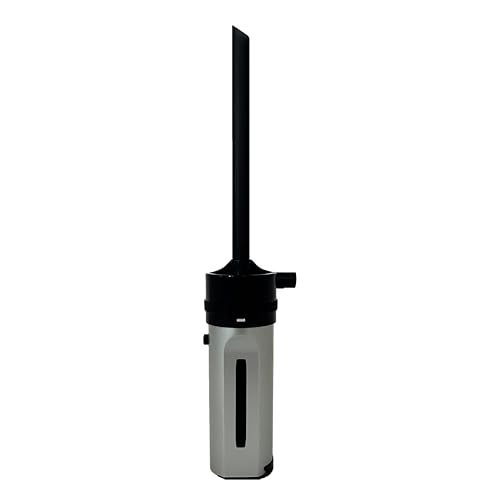
- handheld electric fruit fly vacuum


Before You Start
Prepare the area by removing exposed fruit, dishes, and standing water. Empty trash and compost bins regularly. Wash fruit and wipe countertops with mild soap to remove residues that attract flies. Safety notes: keep traps out of reach of children and pets, and follow label directions for all attractants. Time estimates: setup 15–20 minutes; initial control may show results within 24–72 hours depending on infestation level.
Critical cautions: Do not use strong chemical aerosols near food preparation areas. Do not rely solely on one trap type if flies persist. Combine multiple strategies for best results.
Step-By-Step: How To Get Rid Of Fruit Flies
- Identify breeding sources by inspecting overripe fruit, drains, and moist organic matter in trash and recycling bins.
- Remove attractants: discard overripe produce, rinse recyclables, and clean sinks and drains with a mild cleaner or vinegar solution.
- Set up an electric fruit fly trap with attractant liquid near the main infestation area to capture flies actively seeking sugar sources.
- Place sticky fruit fly trap strips along countertops and near trash cans to catch flies on contact.
- Activate a UV light fruit fly killer indoor trap in a dim corner away from food preparation spaces for continuous targeting of flying adults.
- Use a non-toxic fruit fly trap bottle with vinegar attractant in kitchen corners or pantries to lure and trap new flies.
- Coordinate a handheld electric fruit fly vacuum for quick removal of visible flies, especially near windows and dining areas.
- Replace attractant liquids and clean traps as needed to maintain effectiveness and reduce odors that could attract more flies.
- Regularly refresh supplies and re-check potential breeding sites weekly for several weeks to prevent rebound.
- Track progress: note declines in fly sightings and adjust trap placements if activity shifts to new areas.
- Implement ongoing prevention: store produce in sealed containers, clean spills promptly, and maintain dry, clean surfaces.
- Reassess after two weeks. If flies persist, consider increasing trap density or consulting a professional for persistent infestations.
Troubleshooting
| Symptom | Likely Cause | Fix | Prevention |
|---|---|---|---|
| Flies persist after traps are set | Breeding sources not removed | Deep-clean drains, dispose of fermenting materials, re-check bins | Regular maintenance and sanitation routine |
| Traps catch few flies | Attractant diluted or expired | Replace attractant liquids; refresh sticky strips | Monitor freshness and place traps where flies congregate |
| Flies only near one area | Localized breeding source | Address that hotspot (fruit bowl, trash area, compost) | Keep areas clean and well-sealed |
| Uv trap not attracting | Low ambient light or incorrect placement | Move trap to dimmer area with airflow | Avoid kitchen directly; place near activity zones |
Common Mistakes
- Using only one trap type and expecting complete control
- Leaving ripe fruit exposed or not cleaning fermentation sources
- Ignoring drain and garbage areas which can harbor large populations
- Overlooking pet safety when placing attractants and traps
Tips For Best Results
- Coordinate multiple trap types to attack both adults and breeding sources.
- Place traps at different heights: countertops, near trash, and along walls where flies fly.
- Use room-appropriate attractants; some prefer vinegar, others sugar-based liquids.
- Maintain consistent sanitation habits to prevent rebound, especially during peak fruit seasons.
- Rotate trap positions weekly to cover all potential hotspots.
Call A Professional
Consider a professional if fruit fly activity remains high after two to three weeks of consistent trapping and sanitation. Stop-sign indicators include escalating numbers, flies in multiple rooms, or infestations near drains or compost sites that resist standard control methods.
FAQ
What attracts fruit flies most?
Fermenting fruit, vegetables, and sugary liquids attract fruit flies. Cleaning spills promptly and storing produce properly reduces attraction.
Do traps work better with electricity or vinegar?
Electric traps and vinegar-based bottles work well in combination; deterrence is enhanced when used together with physical removal methods.
How long does it take to see results?
Initial results can appear within 24–72 hours, with full control over 1–2 weeks depending on infestation level and sanitation adherence.
Are fruit fly traps safe for households with pets?
Yes, when used as directed. Place traps out of reach of pets and children and avoid leaving attractants unattended.
Can drains breed fruit flies?
Yes. Clean drains thoroughly with a mild cleaner or vinegar solution to disrupt breeding sites.
Should I throw away all fruit to stop the infestation?
Not necessarily. Remove spoiled fruit, wash produce, and store fresh fruit in sealed containers to limit sources.
Is a handheld vacuum effective for adults?
Yes, it’s useful for quick removal of visible flies, especially near windows or dining areas.
Buying Guide
When choosing products to combat fruit flies, consider size, noise level, energy use, control options, and placement.
- Size and coverage: Larger spaces benefit from multiple traps or a combination of traps and vacuums.
- Noise level: Some traps and vacuums operate quietly; quieter devices are preferable in living spaces and kitchens.
- Energy efficiency: Look for energy-efficient LEDs in UV traps and smart features that optimize use.
- Controls: Adjustable attractants and easily replaceable parts extend trap life and effectiveness.
- Placement: Place near likely breeding sites (trash areas, sinks) but away from direct food contact zones.
In practice, many households combine an electric fruit fly trap with attractant liquid, sticky strips, and an occasional handheld vacuum. Evaluate space layout, pest activity patterns, and safety considerations to tailor the setup. If choosing a kit, verify that it includes a vinegar attractant option and replacement parts. Are you ready to deploy a multi-trap strategy, then reassess progress after a week?