Sore legs after squats are common, especially for beginners or those increasing volume and intensity. This practical guide provides a clear, step-by-step approach to alleviate soreness, speed recovery, and help you train more effectively. By combining proper cooling, targeted massage tools, and smart recovery habits, you can reduce muscle tightness and improve performance in your next leg session.
Quick Answer
Immediate relief: apply ice wrap to knees or quads for 10–15 minutes, followed by gentle stretching. Ongoing recovery: use a foam roller and percussion massage gun to loosen tight muscles, wear compression sleeves for calves and thighs, and incorporate a trigger point tool for persistent knots.
What You’ll Need
Gather the following tools to address leg soreness from squats. The list prioritizes your provided product keywords and closely related items to cover muscle groups from calves through quads.
- Foam roller 36 inch high-density for leg muscles
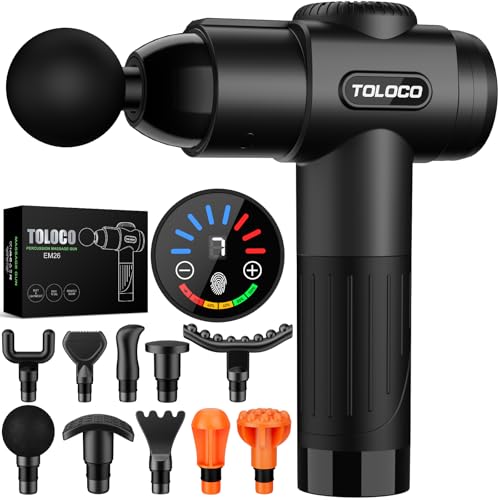
- Percussion massage gun deep tissue leg
- Compression leg sleeves for sore calves and thighs
- Trigger point massage ball set for calves
- Ice compression wrap for sore knees and quads


Before You Start
Preparation helps prevent injury and maximizes recovery. Clear a comfortable space, have a timer, and wear appropriate athletic clothing. Important cautions:
– Start with light intensity and gradually increase pressure on the foam roller or massage gun to avoid aggravating micro-tears.
– Avoid rolling directly over joints, bones, or swollen areas.
– Hydrate well and consider a light protein-rich meal or snack after training.
Estimated time for a basic recovery routine is about 20–30 minutes, depending on soreness level and training load.
Step-By-Step: How To Relieve Sore Legs After Squats
- Cool the area with an ice compression wrap for sore knees and quads for 10–15 minutes to reduce inflammation and numb sharp pains.
- Gently stretch the quadriceps by pulling the heel toward the glute while standing, holding 20–30 seconds on each side.
- Roll major muscle groups with the foam roller 36 inch high-density for leg muscles, focusing on the quads, hamstrings, and calves. Use slow, controlled movements and pause on tender spots for 15–30 seconds.
- Use the percussion massage gun deep tissue leg on larger muscle areas at a low to moderate setting. Target the quads, hamstrings, and calves in 1–2 minute segments per muscle group.
- Apply the compression leg sleeves for sore calves and thighs after rolling and massaging to support muscle recovery and reduce swelling.
- Identify and release trigger points with the trigger point massage ball set for calves. Place the ball beneath the calf or soleus area and gently roll to find knots, holding pressure for 20–40 seconds per point.
- Reassess your squat form and ROM (range of motion). If sensitivity remains, perform light mobility work such as ankle circles and hip hinges to restore normal movement patterns.
- Hydrate and consider a balanced post-workout meal with proteins and complex carbs to facilitate muscle repair.
- Schedule a light, active recovery session 24–48 hours later, such as walking, cycling, or swimming, to maintain blood flow without stressing the muscles.
- If pain persists beyond a few days or worsens, reduce training load and consult a trainer or healthcare professional for an assessment.
- Track progress and adjust future squat volume, tempo, and recovery tools to minimize future soreness.
Troubleshooting
| Symptom | Likely Cause | Fix | Prevention |
|---|---|---|---|
| Muscle soreness lasts more than 72 hours | Inadequate recovery or excessive training load | Incorporate active recovery, stretch, and reduce intensity for 1–2 sessions | Progress gradually in volume and intensity |
| Swelling or sharp knee pain | Joint inflammation or injury | Use ice wrap, rest knee joint, seek medical advice if pain persists | Ensure proper squat form; avoid deep squats if mobility is limited |
| Rolling causes increased tenderness | Too much pressure or wrong technique | Lighten pressure, pause on tender spots, switch to massage ball | Consistent, gradual treatment over days |
| Stiffness after rest | Muscle tightness from sedentary behavior | Gentle mobility work and light cardio to loosen joints | Active daily movement and regular rolling |
Common Mistakes
- Over-rolling the knee area or directly on bones
- Rushing through stretches without proper breathing
- Using excessive massager pressure on tender knots
- Neglecting hydration and protein intake after workouts
- Ignoring signs of potential injury in favor of quick relief
Tips For Best Results
- Incorporate a pretend “dynamic warm-up” before squats to improve blood flow and tissue elasticity.
- Alternate between rest days and light active recovery to maintain muscle tone without overloading sore legs.
- Keep a recovery log noting soreness level, tools used, and squat volume to refine your routine.
- Use the percussion massage gun at a comfortable pace; avoid staying on one point too long.
- Wear compression sleeves during cool-down and after workouts to support venous return and reduce DOMS risk.
Call A Professional
Seek professional help if you notice persistent swelling, numbness, severe pain during movement, or a drastic change in leg strength. Stop using high-intensity recovery tools if pain increases with use, and schedule a session with a physical therapist or sports medicine clinician for a tailored assessment.
FAQ
How soon after squats should I start recovery work?
Begin gentle recovery immediately after training and continue for 24–72 hours, adjusting based on soreness levels.
Can I use all recovery tools at once?
Yes, but introduce them gradually. Start with foam rolling and stretching, then add massage gun and compression sleeves as tolerated.
Do compression sleeves really help?
Compression sleeves can reduce swelling and support muscle recovery, especially during light activities and cooldowns.
What’s the best way to prevent soreness from squats?
Progress training gradually, prioritize form, warm up properly, and incorporate post-workout recovery tools consistently.
Should I skip squats when legs feel sore?
Not always. If soreness is mild, light activity or reduced volume can help. If pain is sharp or joint-related, rest and assess form and load before resuming.
Is ice or heat better for soreness?
Ice is typically beneficial for acute soreness and inflammation, while heat can aid in muscle relaxation after 24–48 hours or for chronic stiffness.
Buying Guide
Choosing recovery tools requires understanding size, performance, and how they fit your training plan. Consider the following factors to select equipment that aligns with your goals and space:
- Size and storage: A 36-inch foam roller is a versatile choice for larger muscle groups and fits in most home gyms. Consider wall or corner storage for compact spaces.
- Noise level: Percussion massage guns vary in sound; look for models with adjustable speed settings and quieter operation for late-night use.
- Air or electric intensity: High-density foam rollers provide firmer feedback; ensure the massage gun offers multiple speed levels to prevent tissue irritation.
- Energy efficiency and reliability: Battery life matters for cordless devices; check charging time and run-time per session.
- Controls and usability: Ergonomic handles, intuitive controls, and easy-to-clean surfaces improve consistency in recovery routines.
- Placement and use cases: Consider whether you train at home or gym and the accessibility of a flat, stable surface for each tool.
- Treatment coverage: A combination of a foam roller, massage gun, compression sleeves, and trigger point tools offers broad coverage from calves to quads.
- Budget and durability: Start with core items (foam roller, massage gun) and expand with targeted tools like trigger point balls if needed.
When selecting gear, match tools to your typical soreness patterns after squats. Do you primarily feel tightness in the quads, or do calves also demand attention? A practical kit provides flexible recovery without overcomplicating routines.