Removing soil from a workspace, garden bed, or construction site often requires a combination of tools and careful planning. This guide lays out practical steps, safety notes, and equipment recommendations to help American users move soil quickly and cleanly while minimizing effort and mess.
Quick Answer
Identify your soil removal goal, gather the right tools, and follow a clear step-by-step process. Start with breaking up and loosening soil, then lift and transport it with appropriate gear, and finish with clean-up and disposal planning.
What You’ll Need
- Flat shovel stainless steel 48 inch handle for soil removal
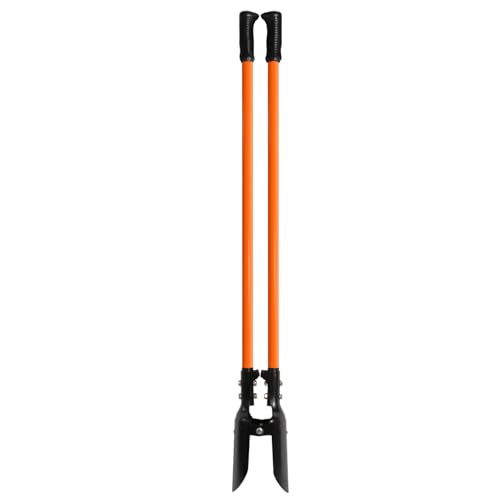
- Post hole digger steel with wooden handle
- Garden rake head for topsoil removal
- 6 cu ft wheelbarrow steel frame pneumatic tires for moving soil
- Soil sifter screen garden tool 12 inch


Before You Start
Prepare the work area by removing obstacles and marking utilities. Wear sturdy work gloves, closed-toe shoes, and eye protection. Check local disposal guidelines for soil, especially if it contains debris or contaminants. Time estimates vary by volume: plan for several hours for moderate projects and more for large jobs. Never overload a wheelbarrow beyond its rated capacity to avoid spills or injuries.
Step-By-Step: How To Get Rid Of Soil Efficiently
- Assess the area and define the boundaries where soil needs removal. This helps determine how much soil to move and where to place it.
- Loosen compacted soil with a rake and, if needed, a flat shovel to create workable layers that lift more easily.
- Use a post hole digger for stubborn pockets or to break up root-laden soil, reducing effort when removing large clumps.
- With the soil loosened, switch to the wheelbarrow for transport. Position the wheelbarrow close to the excavation site to minimize repetitive trips.
- Load soil in even, moderate amounts; avoid overfilling to keep movements stable and prevent spills.
- Move soil to the designated disposal or redistribution area, using the soil sifter on small batches to separate debris or rocks if needed.
- Periodically pause to rest and inspect your posture. Bend at the knees, not the back, and keep the load close to your body.
- When dumping, find a level and clear area to spread or dispose of soil, then wheel the barrow back for another load.
- Repeat until the target area is clear. If you encounter buried rocks or roots, pause and cut them away with appropriate tools before continuing.
- Clean tools and inspect the wheelbarrow tires and frame for any damage or wear. Store tools in a dry place to prevent rust.
- Finalize the project with a quick rake to level the surface and remove remaining small clumps for a smooth finish.
Troubleshooting
| Symptom | Likely Cause | Fix | Prevention |
|---|---|---|---|
| Wheelbarrow becomes hard to push | Overloaded load or soft ground | Divide the load; choose firmer ground or use a larger wheelbarrow | Plan loads and choose even, dry surfaces |
| Soil clumps or rocks in the sifter | Soil with many debris pieces | Pre-filter with a larger screen, then run through the 12-inch sifter | Screen soil as it’s moved from the site |
| Shovel or rake binds and sticks | Moist or dense soil | Allow soil to dry slightly or use a sharper edge tool | Work in stages and keep tools well maintained |
| Tools rust after use | Exposure to moisture without cleaning | Wipe down and dry tools; apply light oil to metal | Store tools in a dry, sheltered area |
Common Mistakes
- Overloading the wheelbarrow and spilling soil on the way to the dump site
- Ignoring safety gear, especially gloves and eye protection
- Trying to move soil in wet, heavy conditions without proper footwear
- Skipping pre-planning, leading to unnecessary trips and back-and-forth work
- Neglecting tool maintenance, which increases effort and reduces tool life
Tips For Best Results
- Work in a cool part of the day to reduce fatigue and sweating while lifting heavy loads
- Use the soil sifter to separate debris; this helps create a clean topsoil material for reuse
- Keep a short, steady pace rather than long, exhausting bursts
- Mark areas with color stakes to visualize the final layout and prevent unnecessary soil movement
- Inspect tools regularly for loose handles or dull edges and repair promptly
Call A Professional
Consider contacting a pro if soil removal involves contamination, large-scale excavation, or hazardous materials. Stop work if you encounter unexploded objects, significant underground utilities, or soil instability that could pose safety risks.
FAQ
What is the quickest way to remove a large amount of soil?
Plan with a wheelbarrow-based workflow, break up soil first, and transport in manageable loads to an off-site skip or designated area.
Can I reuse removed soil in the garden?
Yes, provided the soil is free of debris and contaminants; screen it with a soil sifter to remove rocks and roots.
What safety gear is essential for soil removal?
Gloves, sturdy boots, eye protection, and a dust mask if soil is dry and dusty.
How do I prevent back strain during soil work?
Use proper lifting techniques: bend at the knees, keep the load close, and avoid twisting while lifting.
When should I hire a professional?
For large volumes, heavy or contaminated soil, or if underground utilities are a concern.
Is it better to move soil on dry or wet days?
Dry soil is easier to lift; wait for dry conditions when possible to reduce sticking and effort.
How do I choose between a shovel and a post hole digger for soil removal?
Use a shovel for general loosening and lifting; use a post hole digger for stubborn pockets or root-laden soil.
Buying Guide
When selecting tools for soil removal, consider size and capacity, ease of use, and how frequently they’ll be used. The right combination improves efficiency and reduces fatigue. Key buying factors include:
- Size and capacity: Choose wheelbarrows and shovels that fit your typical loads and the available workspace.
- Durability: Steel frames and rust-resistant finishes extend tool life in outdoor environments.
- Ergonomics: Handles with comfortable grips and balanced weight reduce strain during repeated lifts.
- Disposal compatibility: Consider who will haul and where soil will be moved or disposed of in your area.
- Maintenance: Tools that are easy to clean and maintain stay in better condition longer.
- Noise and footprint: Pneumatic-tire wheelbarrows offer better stability and quieter operation on hard surfaces.
- Placement: Store tools in a dry, accessible area near the workspace to minimize extra trips.
For a compact or mid-size project, a 6 cu ft wheelbarrow paired with a sturdy shovel and rake head often balances ease of use and capacity. For larger sites, consider additional helpers or a larger wheelbarrow and a soil sifter to streamline debris removal. If soil must pass through tight spaces, opt for a lighter, more maneuverable toolset while keeping safety as a priority.