Smoke odors can cling to fabrics, walls, and air, making indoor spaces uncomfortable. This guide covers practical, real-world steps to reduce smoke smell quickly and effectively in typical American homes. By combining ventilation, filtration, and odor control strategies, you can restore a fresher indoor environment without invasive procedures.
Quick Answer
Open windows and use fans to create cross-ventilation, then run a high-quality air purifier with a HEPA and activated carbon filter. For persistent odors, combine odor absorbers with targeted sprays and consider a dedicated odor-neutralizing unit for larger rooms.
What You’ll Need
Below is a curated list of tools and products commonly used to remove smoke odors from rooms. The items reflect a practical, consumer-ready approach for most households.
- Smoke odor removing air purifier with HEPA and activated carbon filter
- Activated carbon odor absorber bags for smoke smell removal
- Ozone generator air purifier smoke odor remover
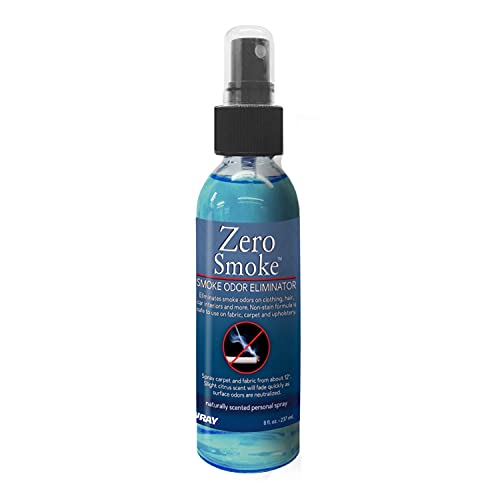
- Odor elimination spray for rooms with cigarette smoke
- Portable air purifier for wildfire smoke with carbon filter large room


Before You Start
Prepare the space by removing lingering sources of smoke like burnt items or ash. Ventilate first with open windows or doors if outdoor air quality is acceptable. Test fabric sensitivity and start with lower intensity devices near the odor source. Set realistic expectations: strong odors may require multiple passes and time, especially in larger rooms or spaces with porous surfaces.
Step-By-Step: How To Get Rid Of Smoke Smell In A Room
- Clear the area of clutter to improve airflow and reduce trapped particles.
- Open windows on opposite sides of the room to create a steady cross-breeze.
- Set up a high-efficiency air purifier with both a HEPA filter and activated carbon filtration.
- Place activated carbon odor absorber bags in corners or near odor sources to maximize contact time.
- Run the purifier continuously for several hours, then reassess odor levels.
- Use an odor elimination spray to treat soft surfaces like curtains, upholstery, and carpets.
- If odors persist, run the purifier with the ozone generator only in empty rooms or follow the manufacturer’s safety guidelines.
- Wash fabrics and clean hard surfaces with a mild detergent or specialized cleaner to remove residues.
- Vacuum with a HEPA-equipped vacuum to capture fine particles that contribute to odor persistence.
- Consider repainting or sealing porous walls if odors have penetrated deeply.
- Re-check air quality after 24–48 hours and repeat steps as needed.
- Maintain the system by changing filters regularly according to the manufacturer’s guidelines.
Troubleshooting
| Symptom | Likely Cause | Fix | Prevention |
|---|---|---|---|
| Odor persists after purification | Insufficient filtration or odor saturation | Upgrade to a larger unit or add more carbon filtration; run longer | Schedule regular filter changes |
| Faint ozone smell | Overuse of ozone generator | Limit operation time and ensure room is unoccupied | Never operate in occupied spaces without proper safety measures |
| Odor returns after cleaning | Residual odors in fabrics | Deep clean or replace textiles; use odor absorbers | Wash fabrics regularly during odor episodes |
| Allergic or itchy reactions | Strong cleaning agents or ozone byproducts | Switch to milder cleaners; discontinue ozone use | Ventilate well during cleaning |
Common Mistakes
- Relying on a single method; odors often require a combination of filtration, absorption, and cleaning.
- Using ozone generators in occupied rooms or for extended periods.
- Ignoring soft furnishings, which trap odors more than walls or floors.
- Overlooking proper filter maintenance; clogged filters reduce effectiveness.
Tips For Best Results
Maximize odor removal efficiency by aligning devices with room size. For large rooms, prioritize a portable air purifier for wildfire smoke with a carbon filter and place carbon bags near odor hotspots. Regularly fan out air from different directions and maintain a consistent cleaning cadence. Consider pairing a dedicated odor eliminator spray with fabric-safe cleaners on soft surfaces to address trapped residues.
Call A Professional
If smoke odors persist after thorough in-home efforts for several days, or if the odor originates from structural insulation or hidden fire residues, a professional indoor air quality specialist should be consulted. Caution signs include persistent headaches, throat irritation, or noticeable burn smells after cleaning. Pro services can assess ventilation, perform advanced filtration, and provide remediation beyond consumer-grade products.
FAQ
What is the fastest way to remove smoke smell from a room?
Open windows for cross-ventilation, run a HEPA- and carbon-filter air purifier, and treat soft surfaces with odor eliminators.
Can activated carbon bags remove cigarette smoke odors?
Yes, they help absorb volatile compounds from smoke and improve room air quality when placed strategically.
Is ozone safe for smoke odor removal?
Ozone can be effective but must be used with strict safety precautions and never in occupied spaces.
How often should I replace air purifier filters?
Follow the manufacturer’s guidance, typically every 6–12 months for carbon and HEPA filters, or sooner in high-use areas.
Will repainting the walls help eliminate smoke odors?
Repainting or sealing porous walls can trap residual odors; cleaning and sealing may be needed for long-term results.
Are odor absorber bags effective for wildfire smoke?
They help reduce odors when used with proper airflow and are best combined with active filtration.
What maintenance steps ensure ongoing odor control?
Regular cleaning of surfaces, timely filter changes, and periodic reintroduction of fresh air help maintain results.
Buying Guide
When evaluating products to combat smoke smell, consider size, noise, energy use, and placement options. A smoke odor removing air purifier with HEPA and activated carbon filter is a versatile core tool for many rooms. For larger spaces, a portable air purifier for wildfire smoke with carbon filter large room provides broader coverage, while activated carbon odor absorber bags offer passive, continuous odor control. If professional-grade remediation is desired, a laboratory-rated evaluation might be warranted. Always match device capacity to room size and check for AHAM ratings or CADR values to guide selection. For homes with sensitive occupants, prioritize low-noise models and avoid aggressive ozone use in living areas. Consider placement near the primary odor sources, such as sofas, drapes, and areas with poor airflow, to maximize effectiveness.