Sewer gnats, also known as drain flies, can be a persistent nuisance in kitchens, bathrooms, and laundry areas. These tiny insects breed in the organic matter that accumulates in drains, pipes, and P-traps. A combination of cleaning, deodorizing, and preventive measures is typically needed to stop an infestation from returning.
Effective control combines mechanical cleaning, enzymatic maintenance, and careful monitoring. This guide outlines practical steps and tools suitable for American homes, offering a clear path from identification to prevention.
Quick Answer
Identify the drain source, scrub the affected area, use an enzymatic cleaner to break down organic buildup, and flush with hot water. If gnats persist, employ a drain snake or hand-crank kit to remove clogs, followed by ongoing maintenance to prevent recurrence.
What You’ll Need
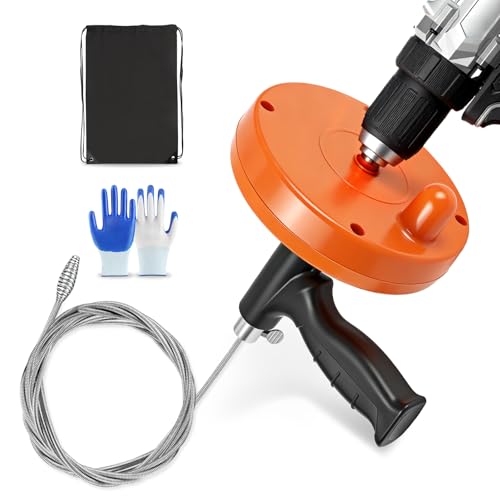
- 20ft drain snake auger manual drain cleaner
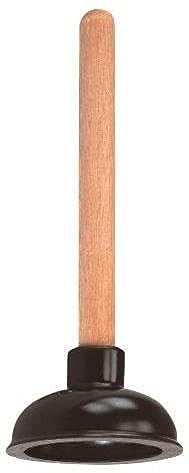
- sink toilet drain plunger
- enzyme drain cleaner 32 oz bio drain maintainer
- drain cleaning brush flexible stiff bristle
- hand crank plumbing snake kit 25ft

Before You Start
Before beginning, ensure you have protective gloves and eye protection. Clear the area around sinks, showers, and laundry rooms to provide easy access to drains. Run cool water to prevent splashing when using tools. Wear safety gear and follow tool instructions. Set aside 1–2 hours for the initial cleaning, plus additional time for enzymatic treatment and dry-out between steps.
Step-By-Step: How To Get Rid Of Sewer Gnats
- Inspect all drains in the home to locate the primary breeding site, focusing on slow or standing water areas.
- Remove visible buildup from the drain lips and surrounding surfaces using a drain cleaning brush with stiff bristles.
- Pour a measured amount of enzyme drain cleaner into each suspect drain and allow it to sit according to product directions.
- Flush the drain with hot water to move debris toward the trap and reduce odor and slime buildup.
- Use a plunger on stubborn sinks or toilets to dislodge minor clogs that harbor slime and larvae.
- For persistent issues, insert a 25ft hand crank plumbing snake kit and gently break up buildup in the pipes while rotating to pull debris out.
- Run the disposal or faucet for several minutes to wash away loosened material and ensure good flow.
- Repeat enzymatic maintenance weekly for 4–6 weeks to maintain a clean drain environment.
- Regularly inspect traps and P-traps for standing water and refill with clean water as needed to deter gnats.
- Keep kitchen and bathroom surfaces dry and monitor for new breeding sites; address any new leaks promptly.
- As needed, reseal or clean the area around the drain opening to prevent organic buildup from returning.
- Document progress and adjust maintenance frequency if gnats reappear, cycling through cleaning, enzyme treatment, and drain flushing.
Troubleshooting
| Symptom | Likely Cause | Fix | Prevention |
|---|---|---|---|
| Persistent gnats after cleaning | Hidden buildup in deeper pipes | Use a snake kit deeper into the line and reapply enzymatic cleaner | Schedule regular maintenance and keep traps dry |
| Sewer odor remains | Dry P-traps or venting issues | Inspect and replenish traps with water; check venting | Keep traps topped up with water; fix leaks promptly |
| Water backs up in one sink when another drains | Partial clog in main line or shared branch | Use drain snake on the affected line; consider professional help | Avoid pouring grease and large food scraps down drains |
| Gnat activity returns after enzymatic treatment | New or overlooked breeding sites | Re-treat affected drains and expand search area | Maintain drains monthly with enzyme cleaner |
Common Mistakes
- Relying on a single cleaning method—combine mechanical and chemical approaches.
- Ignoring dry traps or unnoticed leaks that create breeding grounds.
- Using excessive bleach or harsh cleaners that can damage pipes; opt for enzyme cleaners for ongoing maintenance.
- Skipping routine maintenance after initial success, leading to recurrence.
Tips For Best Results
- Apply enzyme cleaners regularly to keep organic matter from rebuilding in drains.
- Pair cleaning with physical removal using a flexible brush to reach inside the pipe lips.
- Use hot water after cleaning to help flush debris and deter slime growth.
- Keep bathroom and kitchen areas clean and dry; gnats flourish in damp environments.
Call A Professional
Stop and call a professional if you notice multiple drain lines sharing a single sewer line, persistent backups, or if you have frequent long-lasting odors despite cleaning. Seek help immediately if there is standing water, persistent leaks, or signs of structural damage. A licensed plumber can perform a thorough inspection, identify root causes, and remove deep clogs that simple tools cannot reach.
FAQ
What causes sewer gnats to appear?
Sewer gnats breed in organic material that collects in drains, pipes, and P-traps, especially in damp areas with slow drainage.
Are enzymatic drain cleaners safe for my pipes?
Yes, enzymatic cleaners break down organic buildup without harsh chemical action, making them suitable for most home plumbing when used as directed.
How often should I treat drains to prevent gnats?
Regular maintenance every 1–2 weeks during warm months and monthly otherwise helps keep gnats at bay.
Can I use a toilet plunger to clear sewer gnats?
A plunger can help with minor clogs that contribute to gnat activity, but it should be paired with other cleaning methods for best results.
When should I replace a drain snake or brush?
Replace worn or damaged tools that cannot effectively clear debris to prevent further pipe damage.
Is there a permanent solution to sewer gnats?
Permanent control requires eliminating breeding sites, persistent drainage maintenance, and monitoring for leaks and standing water.
Buying Guide
Choosing the right tools for sewer gnat control involves size, efficiency, and ease of use. Consider the following factors to ensure effective results and long-term maintenance.
Key Buying Factors
- Drain size compatibility: Select tools that fit common residential drains, such as 1.25″ to 2″ lines.
- Tool length: For main lines, longer snake kits (e.g., 25–25 ft) can reach deeper clogs; for sinks, shorter lengths may suffice.
- Manual vs electric: Manual snake kits are inexpensive and portable; choose a model with a comfortable handle and smooth rotation.
- Material and build: Look for corrosion-resistant materials and sturdy brushes to withstand repeated use.
- Enzymatic maintenance compatibility: Use compatible enzyme drain cleaners to complement mechanical cleaning.
- Plungers and brushes: A reliable sink toilet plunger and a flexible stiff-bristle brush tackle both easy and stubborn buildup.
- Storage and maintenance: Opt for compact kits with clear instructions and a storage case for organization.
How They Compare
Compared tools offer different advantages. For quick clearing, a hand-crank snake kit provides immediate results, while a 20ft auger offers reach for deeper clogs. Enzymatic cleaners help prevent recurrence, but are not substitutes for mechanical removal in stubborn cases. Pairing a drain cleaning brush with a snake kit often yields the best balance of speed and thoroughness.
Placement and Use
Store tools in a dry, accessible cabinet. Use a dedicated drain brush for each affected drain to avoid cross-contamination. When using enzymatic cleaners, follow the directions for the right dosage and contact time to maximize effectiveness.