Managing excess sebum on the nose is a common skincare goal for many Americans. This area tends to produce more oil due to concentration of sebaceous glands, which can lead to shiny skin, clogged pores, and blackheads. The following step-by-step guide outlines practical, evidence-based methods and tools to reduce sebum production, improve pore appearance, and keep your nose looking matte and healthy.
Quick Answer
Targeted cleansing with a gentle routine, regular exfoliation, and optional suction-based tools can reduce oil buildup. Use non-comedogenic moisturizers and sun protection daily. If you choose tools, pick devices designed for nose pores and follow safety instructions to avoid skin irritation.
What You’ll Need
Gather tools and products designed to address oily skin and pore congestion. List below includes representative items that align with common consumer needs.
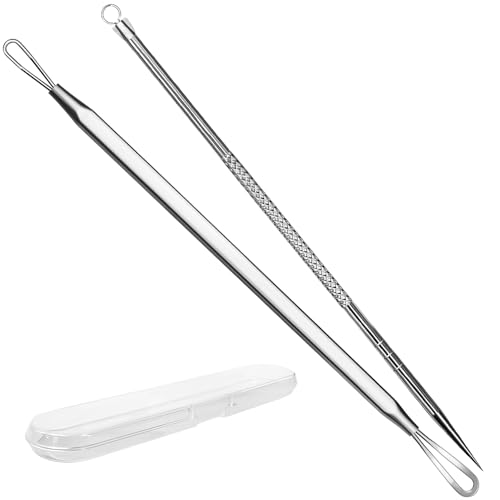
- Stainless steel comedone extractor kit for nose blackheads
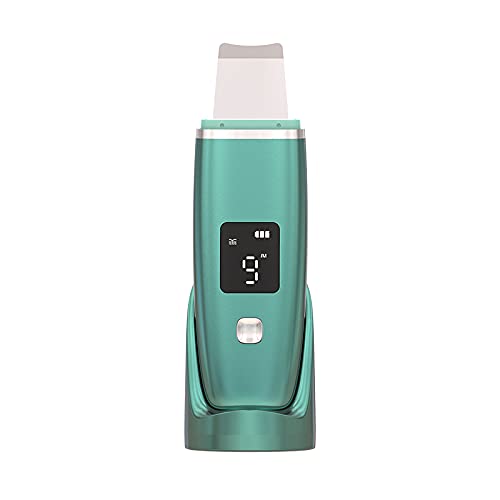
- Electric pore vacuum remover for blackheads on nose
- Manual blackhead remover tool for nose with loop
- Silicone facial cleansing brush for oily skin sebum control
- Derma suction blackhead remover tool kit

Before You Start
Before using any tool, ensure your skin is clean and free of active breakouts. Do not press hard or repeatedly use peels on irritated skin. Always follow tool instructions and observe your skin’s response. Time estimates assume a simple routine you can perform at home, with a typical 15–30 minute session. Caution: avoid sharing tools to prevent infections and disinfect between uses. If you have rosacea, eczema, or severe acne, consult a dermatologist first.
Step-By-Step: How To Manage Nasal Sebum And Pores
- Prep the skin by washing with a gentle cleanser formulated for oily skin. Use lukewarm water to help open pores without causing irritation.
- Apply a warm compress for 2–3 minutes to further soften sebum and loosen debris in the pores.
- Gently pat the nose dry with a clean towel. If using a manual blackhead remover tool for nose with loop, position the loop around the blackhead and apply minimal pressure to extract safely.
- For deeper cleansing, use an electric pore vacuum remover for blackheads on nose according to its manual. Start with the lowest setting and work in small, circular motions over the nasal area.
- Disinfect each tool before and after use with alcohol or a comparable antiseptic. Maintain sterile technique to minimize irritation and infection risk.
- Reassess the nose and repeat only if necessary after a short pause. Overuse can irritate skin and increase oil production as a protective response.
- Follow with a salicylic acid–based toner or treatment if your skin tolerates it. These help dissolve debris and reduce pore blockage without excessive drying.
- Finish with a non-comedogenic moisturizer and, in daytime, broad-spectrum sunscreen to protect treated skin and prevent shine.
- Adopt a consistent routine: cleanse twice daily, exfoliate 1–3 times weekly depending on skin sensitivity, and use pore-targeted tools sparingly.
- Adjust frequency based on results. If oil return accelerates or pores appear congested, reduce sessions and consult a skincare professional for tailored recommendations.
- Consider alternating tools: use manual loop methods on some days and vacuum devices on others to minimize irritation while maintaining results.
- Weekly, use a clay mask or charcoal mask to absorb surface oil and draw out impurities without over-stripping skin.
Troubleshooting
| Symptom | Likely Cause | Fix | Prevention |
|---|---|---|---|
| Increased redness after extraction | Excessive pressure or irritated pores | Reduce pressure, stop if pain occurs, apply soothing serum | Follow gentle techniques, avoid overuse |
| Persistent blackheads | Dead skin buildup or clogged pores | Regular exfoliation with BHA; consider weekly clay masks | Consistent cleansing routine |
| Oily shine returns quickly | Skincare products are too heavy or sebaceous gland activity | Switch to non-comedogenic formulas; adjust frequency of extractions | Use oil-control moisturizer and sunscreen |
| Sensitivity after use | Over-exfoliation or aggressive tools | Pause tools for several days; apply barrier repair products | Limit sessions and monitor skin response |
| Tool contamination | Inadequate cleaning | Clean and dry tools after each use; replace if corrosion appears | Store in a clean, dry place |
Common Mistakes
- Overuse of suction devices or sharp tools, which can irritate or injure the skin.
- Using harsh scrubs on sensitive nasal skin, leading to redness and rebound oil.
- Piling on multiple products without allowing absorption time, causing clogged pores.
- Skipping patch tests for new tools or active ingredients.
Tips For Best Results
- Limit extraction sessions to 1–2 per week for most skin types.
- Pair sebum-control tools with a lightweight, non-irritating moisturizer.
- Incorporate a daily sunscreen with at least broad-spectrum protection to prevent pore damage and photoaging.
- Keep hands and tools clean, and avoid squeezing or picking at the nose area.
- Consider using a silicone facial cleansing brush as part of daily cleansing to aid oil removal without over-drying.
Call A Professional
Seek professional help if signs of infection appear (increasing redness, warmth, swelling, or pus), if you have extensive acne outbreaks, or if home methods fail to improve the nose’s appearance after several weeks. Dermatologists can offer prescription-strength treatments, in-office extractions, or alternative modalities such as retinoids or professional-grade peels that suit your skin type.
FAQ
Can I use a nasal vacuum every day?
Daily use is generally not recommended. Start with once or twice a week and monitor skin response to prevent irritation.
Will extractions permanently reduce oil production?
Extraction removes surface debris but does not permanently alter oil production. A consistent skincare routine helps manage oil levels over time.
Which tool is safest for beginners?
A gentle manual loop tool can be safer for beginners when used with proper technique and minimal pressure.
What ingredients help control sebum on the nose?
Salicylic acid, niacinamide, and clay-based masks are commonly used to help manage oil and impurities.
Buying Guide
Choosing the right tools and products for nasal sebum control involves understanding key buying factors. Consider size, noise level, energy efficiency, controls, and placement to fit your routine and bathroom layout.
- Tools: If you plan to use suction tools, ensure the device offers adjustable intensity and has safety features to prevent skin damage. A stainless steel comedone extractor kit for nose blackheads provides durability, but beginners may prefer a gentler silicone or loop-based manual tool initially.
- Power and settings: Electric pore vacuum removers vary in suction levels. Look for models with low to medium suction to start and a clear indicator of safe use on facial skin.
- Materials: Stainless steel tools resist corrosion and are easier to sanitize, while silicone brush heads are gentle on oily skin and help with daily cleansing.
- Noise and comfort: Quiet devices reduce disruption to daily routines. Consider ergonomic designs that fit the nose curve for better control.
- Placement: If you have a small bathroom or shared space, choose compact devices with easy storage and dry-off stations to keep the area tidy.
- Maintenance: Regular cleaning and replacement heads are important for safety. Verify cleaning instructions and any required replacement parts.
- Multi-use value: Some kits offer a combination of extractors, vacuums, and brushes. This can streamline routines but ensure each component remains effective for nasal pores.
In practice, many users benefit from combining a silicone cleansing brush for daily sebum control with selective extraction or suction sessions a few times per month. If you’re uncertain which configuration suits your skin, start with gentler tools and gradually introduce more advanced devices as tolerance allows. Would you like recommendations tailored to your skin type and climate?