Leather shoes can show wear quickly, but most scuffs are cosmetic and repairable with the right supplies and technique. This guide walks through a practical, step-by-step approach to restore leather shoes, using common leather care products and scuff-removal tools. By following these methods, many scuffs disappear without sacrificing color or finish.
Understanding the differences between finish types and color depth helps tailor the repair to your shoes. Always test any product on a hidden area first to confirm compatibility with your leather and finish before treating visible surfaces.
Quick Answer
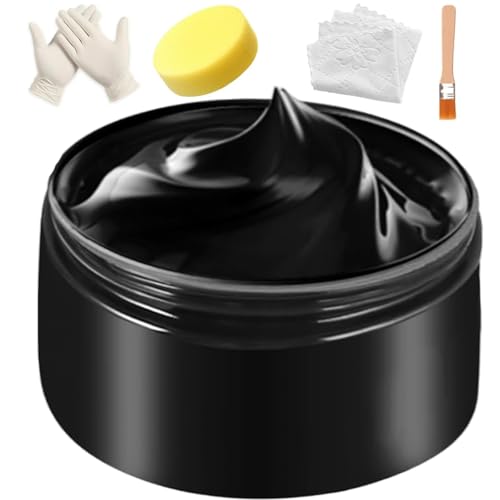
What to grab: a leather shoe polish kit for scuff repair or a leather shoe conditioner and color restorer for scuffs, plus a color-matching balm or a dedicated scuff remover. Light scrapers or a soft cloth can smooth surfaces, while a color-matching balm helps blend the repair with the rest of the shoe.
Fast method: clean, condition, apply a color-matching balm or cream for the scuffed area, buff gently, and re-apply polish for shine and protection.
What You’ll Need
- Leather shoe polish kit for scuff repair
- Leather shoe conditioner and color restorer for scuffs
- Leather shoe scuff remover cream color match 1 oz
- Leather shoe repair kit with color-matching balm
- Instant leather shoe scratch and scuff remover pad kit
- Soft microfiber cloths
- Small applicator brush or sponge

Before You Start
Prepare a clean workspace and gather all tools. Work in a well-lit area to assess scuff depth and color match. If shoes are extremely damaged or the color is heavily transferred, more extensive restoration or professional help may be needed. Safety note: avoid solvents near painted or delicate finishes, and test products on an inconspicuous area first. Time estimates vary by product and scuff severity, typically from 15 to 45 minutes for a single pair.
Step-By-Step: How To Get Rid Of Scuffs On Leather Shoes
- Clean the surface: Use a soft cloth to remove dust and dirt. For stubborn grime, a mild leather cleaner can be used according to the product instructions.
- Choose the repair product: Select a color-matching balm, cream, or conditioner that matches your shoe color as closely as possible and prepare the applicator.
- Apply a thin layer: Gently rub the balm, cream, or conditioner into the scuffed area in small circular motions. Avoid overloading the surface to prevent darkening or uneven patches.
- Let it set: Allow the product to set for the time specified in the instructions. This helps the color bond with the leather fibers.
- Buff and assess: Buff with a clean microfiber cloth to blend the repaired area with the surrounding leather. Check for consistency in color and sheen.
- Re-pair with polish if needed: If the finish looks uneven, apply a matching leather polish kit for scuff repair and buff to restore shine.
- Targeted removal: If the scratch is still visible, use an instant leather shoe scratch and scuff remover pad kit on the scuffed spot with light pressure, then re-buff.
- Final conditioning: Apply a light coat of leather conditioner to the entire shoe to maintain suppleness and prevent future cracking.
- Protect the finish: After the leather is dry, seal with a protective leather polish or conditioner designed for your shoe’s finish to keep scuffs from reappearing.
- Repeat if necessary: Minor scuffs may require a second pass for seamless blending.
- Storage and maintenance: Store shoes with a soft shoe tree or stuffing to maintain shape, and recondition every few weeks or as needed.
Troubleshooting
| Symptom | Likely Cause | Fix | Prevention |
|---|---|---|---|
| Color mismatch after repair | Inaccurate shade or finish | Try a different color-matching balm or polish, and reblend with a clean cloth | Test on hidden area first; store color-matching products in a cool place |
| Darkened or oily look | Excess product applied | Remove excess with a microfiber cloth and re-buff lightly | Apply in thin layers |
| Finish peeling or cracking after repair | Leather is dry or substrate damaged | Condition with a specialized leather conditioner; consider re-coloring repair | Avoid over-conditioning; use products suited for the leather type |
| Scuff remains after using remover pads | Deeper scratch or finish abrasion | Rebuild color with balm and re-polish; if needed, seek professional repair | Gentle pressure; don’t over-sand or aggressively rub |
Common Mistakes
- Using a product that doesn’t match your shoe color closely, leading to obvious patches.
- Over-applying conditioner or polish, creating a slippery or darkened surface.
- Neglecting to test on a hidden area before treating visible parts.
- Ignoring the shoe’s finish type, which can react differently to each product.
Tips For Best Results
- Always start with the lightest touch and build coverage gradually.
- Choose color-matching products labeled for your shoe finish (rounded edges and smooth finish often respond best).
- Keep a dedicated microfibre cloth for buffing to avoid transferring oils from hands.
- Use a protective sealant or wax after color restoration to extend the repair lifespan.
- Regular conditioning prevents future scuffs by keeping leather supple and less prone to cracking.
Call A Professional
Consider consulting a cobbler if scuffs are deep, the leather is heavily creased, or the color restoration involves multiple dyes. Stop and seek help if: the finish is peeling, the leather is stained with dye transfer, or the repair would require extensive color-matching across large areas.
FAQ
Can I use regular shoe polish to fix scuffs on leather?
Yes, but match the polish color and finish to the leather. For best results, use a dedicated leather repair kit with color-matching options.
Will conditioner alone fix deep scuffs?
Conditioner improves flexibility and appearance but may not fully cover deep scratches. Pair conditioner with a color-restoring product for best results.
How long should I wait between applying products?
Follow the product instructions, but generally allow 5–15 minutes for.settling between applications, and 24 hours before heavy use.
Is it safe to use instant remover pads on all leather types?
Most pads work on smooth, finished leather; test first on an inconspicuous area to avoid damage.
What preservation steps can prevent future scuffs?
Regular conditioning, using a protective finish, and avoiding rough surfaces help minimize scuffs over time.
Do I need professional restoration for suede or nubuck?
Yes. Suede and nubuck require special products and techniques not suitable for standard leather care kits.
Can color-matching balms change the shoe’s overall color?
When used sparingly on the scuffed area, balms blend with the surrounding color without altering the whole shoe.
Buying Guide
Choosing the right products for leather scuff repair depends on the shoe type, color, and level of damage. Think about the following factors to make an informed purchase:
- Size and coverage: Some color-matching balms come in 1 oz or larger tubes. For minimal scuffs, a small tube is sufficient; larger repairs may require larger quantities.
- Finish and color match: Look for shade-matching options that include neutral and warm tones to blend with most common leather colors.
- Effectiveness on different finishes: Glazed, matte, and patent finishes react differently. Confirm compatibility with your shoe’s finish.
- Ease of use: Pick products with clear instructions and forgiving application methods, such as foam applicators or soft brushes.
- Durability and protection: Choose items that offer conditioning plus color restoration and a protective sealant layer for longevity.
- Safety and materials: Check for aging-in-place solvents and avoid harsh chemicals on delicate leather surfaces.
- Maintenance compatibility: Ensure the selected products work well with your regular leather care routine and don’t conflict with existing conditioners or polishes.
With the right combination of polish, conditioner, and color-restoring balm, most leather scuffs can be repaired effectively at home. If in doubt, prioritize color match and finish compatibility to preserve the shoe’s appearance and longevity.