Rust stains in a bathtub can be stubborn, but with the right products and a simple routine, most stains vanish without harsh scrubbing. This guide walks American homeowners through practical steps to restore a bright, stain-free tub using common rust stain removers, gels, powders, and a pumice stone for tougher spots.
Quick Answer
For light rust stains, apply a rust stain remover gel or powder directly to the stain, let it sit per product instructions, then scrub with a non-scratch sponge and rinse. For tougher stains, use a pumice stone lightly on damp areas, followed by a gel or powder cleaner. Repeat as needed, and dry the surface to prevent new stains.
What You’ll Need
- Bathroom rust stain remover for tubs
- Rust stain remover gel for bathtub
- Bath tub rust remover powder 16 oz
- Stain remover for shower and bathtub rust
- Pumice stone for rust stains bathtub


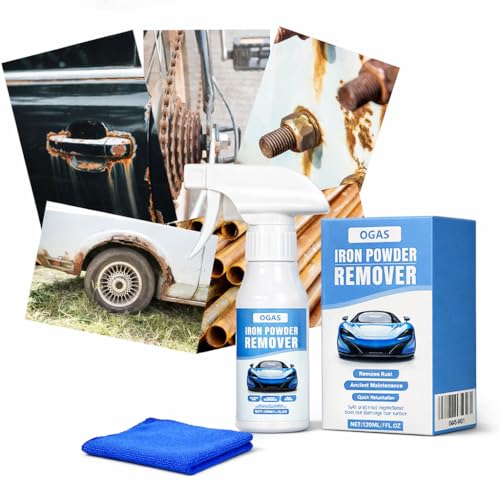
Before You Start
Before tackling rust stains, ensure the bathroom is well ventilated. Put on gloves to protect skin and use eye protection if splashing is possible. Test a small, inconspicuous area of the tub with the cleaning product to confirm it does not damage the finish. Time estimates vary by stain severity: light stains may take 15–30 minutes, while heavier stains can require multiple applications over a day or two. Critical cautions include avoiding abrasive scrubbing on delicate enamel finishes and never mixing cleaners with chlorine bleach unless the product instructions explicitly allow it.
Step-By-Step: How To Remove Rust Stains From Bathtub
- Identify the stain type and select an appropriate product: gel for quick action or powder for deep stains.
- Apply the rust stain remover evenly over the stained area, following the product’s recommended thickness.
- Allow the cleaner to sit for the specified dwell time to break down mineral deposits.
- Gently scrub with a non-scratch sponge or nylon brush, focusing on edges and corners where rust is common.
- If stains persist, dampen a pumice stone and rub very lightly in circular motions over the stain, keeping the stone and surface wet.
- Rinse thoroughly with warm water to remove all cleaner residue.
- Inspect the area. Repeat steps 2–6 for stubborn stains, avoiding excessive scrubbing to protect the finish.
- Dry the tub surface completely with a towel to prevent new water spots and future rust formation.
- Optionally seal the area with a nonabrasive bathroom sealant or consistently wipe down after use to deter rust buildup.
- For repeated issues, consider checking water quality or plumbing if rust returns rapidly after cleaning.
- Document which products worked best for future touch ups to save time later.
- Store cleaners out of reach of children and pets, following label directions for safe storage.
Troubleshooting
| Symptom | Likely Cause | Fix | Prevention |
|---|---|---|---|
| Stains reappear after cleaning | Recurrent mineral deposits or water iron | Wipe dry after use and schedule regular maintenance | Install a rust preventative cleaner and monitor water quality |
| Discoloration or finish etching | Overly aggressive scrubbing or incompatible cleaner | Switch to gentler cleaner and avoid pumice on sensitive surfaces | Test spot first; follow label directions |
| Streaks or soap scum after cleaning | Residue from cleaners | Rinse thoroughly and wipe dry | Use minimal product and rinse completely |
| Water does not drain well during cleaning | Clogged drain or heavy mineral buildup | Clear drain and reapply cleaner if needed | Regular maintenance and annual drain check |
Common Mistakes
- Using abrasive pads on glossy enamel finishes, which can scratch and dull the surface
- Mixing cleaners unless the product explicitly allows it
- Overlooking time dwell guidance, which reduces cleaner effectiveness
- Skipping a test patch on delicate surfaces
- Rushing the process and not drying the surface after cleaning
Tips For Best Results
- Choose a product that matches the stain severity; gels work well for surface rust, while powders can tackle tougher mineral buildup
- Use the pumice stone sparingly and only on nonporous enamel surfaces
- Apply cleaners in a well ventilated area and wear gloves to protect skin
- Keep a small timer to adhere to dwell times for consistent results
- After successful cleaning, consider wiping down the tub after each shower to reduce future staining
Call A Professional
Seek professional help if rust stains persist after multiple attempts, if the enamel is chipped or peeling, or if the staining coincides with water discoloration or plumbing issues. Heavy rust may indicate water iron problems or piping concerns that require a licensed plumber or refurbishment services.
FAQ
What causes rust stains in a bathtub?
Rust stains typically come from iron in the water or mineral deposits from water exposure reacting with tub surfaces.
Can I use household vinegar to remove rust stains?
Vinegar can help with mild stains, but for tough rust it is usually less effective than dedicated rust stain removers.
Is pumice stone safe on acrylic tubs?
Use pumice stone only on nonporous, hard surfaces and test a small area first to avoid scratching acrylics.
How often should I clean to prevent rust buildup?
Clean monthly or after any visible rust appears, and dry surfaces after each use to minimize future staining.
Should I replace rust stained parts or seals?
Inspect seals and surrounding fixtures; replace any corroded hardware to prevent ongoing rust transfer.
Buying Guide
Choosing the right rust stain removal approach depends on stain severity, tub material, and user preference. Consider the following factors to compare options effectively:
- Size and stain coverage: For larger stains, a powder with a strong dwell time can be more economical, while small stains may respond quickly to a gel
- Surface compatibility: Enamel and porcelain surfaces tolerate light scrubbing; acrylic tubs may require gentler methods
- Effectiveness vs. ease of use: Gels are convenient, powders are often stronger for stubborn rust, and pumice stones help with mineral buildup
- Safety and ventilation: Opt for low odor formulas when cleaning bathrooms used by children or sensitive individuals
- Maintenance expectations: Regular wipe downs reduce frequency of heavy stain removal sessions
- Water quality considerations: Persistent rust may justify testing water iron levels or installing filtration
- Placement and storage: Store cleaners away from kids; ensure products have clear usage instructions and expiry information
Overall, a practical approach blends a mild gel or powder for most stains with a light pumice stone for stubborn spots, followed by diligent drying and routine maintenance. If a single product does not fully remove the stain after repeated applications, alternate between different formulas and consider professional assessment for persistent cases.