Wood rot can compromise structural integrity and indoor air quality if left untreated. This guide outlines practical, step-by-step methods to identify, treat, and prevent wood rot, using proven products available in the American market. The focus is on safe application, effective remediation, and long-term protection for wooden structures, furniture, and trim.
Readers will learn how to assess damage, select the right products, and follow a systematic process to restore damaged wood while minimizing repeat problems.
Quick Answer
Identify the rot by probing wood with a tool; if the wood crumbles or feels soft, it’s likely rotten. Treat and seal using a wood rot repair epoxy kit, followed by consolidants and fillers. Apply borate wood preservative for ongoing protection, and monitor moisture with a digital wood moisture meter. For surface mold, use a mold and mildew remover for wood surface before finishing.
What You’ll Need
- Wood rot repair epoxy kit
- Wood rot treatment consolidant and filler
- Borate wood preservative for rot
- Wood moisture meter digital
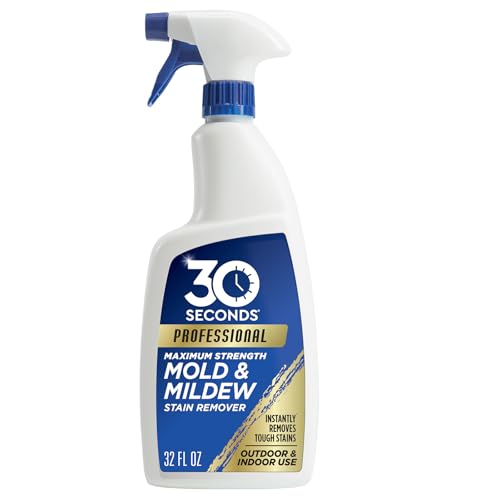
- Mold and mildew remover for wood surface
- Personal protective equipment (gloves, respirator, safety glasses)
- Drop cloths and containment options


Before You Start
Assess the scope of the damage and determine if structural integrity is compromised. Wear protective gear and work in a well-ventilated area. Clear away debris and dry the wood if possible; moisture must be controlled to prevent new rot. Use a digital moisture meter to verify levels before and after treatment to ensure the wood is sufficiently dry for coatings.
Critical cautions: avoid rushing the drying process, as trapped moisture can reverse progress. If rot affects load-bearing elements or large areas, consider consulting a professional. Time estimates vary but typically range from several hours to a full day, depending on damage extent and drying times.
Step-By-Step: How To Get Rid Of Wood Rot And Restore Wood
- Inspect the affected area with a moisture meter to determine moisture content and the extent of rot. Mark all clearly with painter’s tape.
- Remove all visibly soft, discolored, or crumbling wood. Use a chisel, saw, or utility knife to create a clean edge around the damaged zone.
- Apply the wood rot repair epoxy kit to the damaged area, following manufacturer instructions. Build up layers as needed to reach a solid, healthy surface.
- Allow epoxy to cure fully, then sand the surface smooth, ensuring the area blends with surrounding wood.
- Apply wood rot treatment consolidant and filler to strengthen weakened fibers and fill any gaps. Re-sand after curing for a seamless finish.
- Treat surrounding wood with borate wood preservative for rot to deter future fungal growth. Follow label directions for concentration and safety.
- Re-check moisture levels with the wood moisture meter digital to confirm dryness before applying finishes or paints.
- Address surface contamination using mold and mildew remover for wood surface if mold is present. Rinse and dry completely before proceeding.
- Prime and seal the repaired area with a compatible finish. Select paints or sealants designed for exterior or interior use, depending on location.
- Monitor the area over several weeks with the moisture meter and inspect for new signs of moisture or rot. Re-treat as needed if moisture returns.
Troubleshooting
| Symptom | Likely Cause | Fix | Prevention |
|---|---|---|---|
| Wood remains soft after treatment | Insufficient removal of rotten material | Re-remove and re-treat with epoxy and filler | Perform thorough inspection and remove all compromised wood early |
| Moisture rises after drying | Ongoing moisture source nearby | Identify and remedy leaks or condensation sources | Improve ventilation and fixed moisture barriers |
| Mold returns on surface | Residual spores or moisture pockets | Re-clean with mold remover and re-dry area | Ensure complete dryness before sealing |
| Finish peels or fails | Unsuitable primer/finish for treated wood | Choose a compatible primer and topcoat | Follow manufacturer recommendations for products |
Common Mistakes
- Underestimating moisture and incomplete drying before finishing
- Skipping the removal of all rotten wood sections
- Using inappropriate finishes that trap moisture
- Neglecting to treat surrounding dry wood with preservative
- Neglecting mold when mold is present on the surface
Tips For Best Results
- Test moisture levels at multiple points around the damaged area to establish a baseline.
- Work in stages to allow adequate curing times between epoxy, filler, and preservative applications.
- Use compatible products that are designed for each step (epoxy, filler, preservative, mold remover) for best adhesion.
- Keep the area dry during curing by using fans or dehumidifiers if needed.
- Label and store tools properly to prevent contamination between steps.
Call A Professional
Stop signs to seek professional help include structural concerns such as sagging beams, large-scale rot spreading beyond cosmetic areas, or persistent moisture issues despite remediation. If you are unsure about the extent of damage, or if specialty structural repairs are required, consult a licensed contractor or a wood restoration expert.
FAQ
What is the first sign of wood rot?
Soft, crumbly wood that yields under light pressure is an early indicator of decay.
Can I treat wood rot myself?
Yes, for small areas with manageable moisture sources and no structural risk, using an epoxy kit and preservative can be effective.
How can I prevent rot after repair?
Keep wood dry, apply a preservative, and maintain proper ventilation to slow moisture buildup.
Is mold on wood dangerous?
Mold can affect air quality; remove mold with a dedicated remover and ensure surfaces are fully dried and sealed.
How long does the restoration take?
Durations vary; plan for several hours to a full day or more depending on damage and curing times.
What about moisture testing?
Use a digital moisture meter to verify moisture levels before applying finishes and again after curing.
Should I replace large sections of wood?
Yes, if rot extends deeply or compromises framing, replacement is often the safest option.
Buying Guide
When choosing products to address wood rot, several factors matter. Size matters for epoxy kits and fillers; plan for the area you need to treat. Noise level is usually not a concern for home projects, but consider indoor-use products that minimize fumes. Look for energy efficiency in terms of long-lasting coatings that reduce future maintenance. Controls and ease of use are important; select products with clear instructions and low odor formulations where possible. Placement matters—interior rooms with limited ventilation vs. outdoor decks require different finishes and moisture management strategies. Compare product lines that include a rot repair epoxy kit, a consolidant and filler, borate preservative, a wood moisture meter digital, and a mold remover for wood surfaces to ensure you have all essential components for a complete remediation and protective system.