Urine odors can linger despite cleaning, especially in homes with pets. This guide offers practical, step-by-step methods using enzyme cleaners, odor absorbers, and air purification to restore freshness. The aim is to remove both the smell and the stain from most common surfaces.
Readers will find actionable tips for selecting the right products, prepping the area, and preventing future odors. The methods apply to carpet, upholstery, floors, and porous surfaces. A combination of enzymatic cleaners, odor absorbers, and air purification yields the best results.
Quick Answer
Use enzymatic cleaners to break down urine molecules, then follow with odor absorbers and air purification. For porous or heavy odors, repeat treatments and consider a professional cleaning if needed.
What You’ll Need
- enzyme-based pet urine remover spray 32 oz
- pet urine odor neutralizer enzymatic cleaner 1 gallon
- urine stain remover gel enzymatic cleaner 16 oz
- activated charcoal odor absorber bags for urine smell
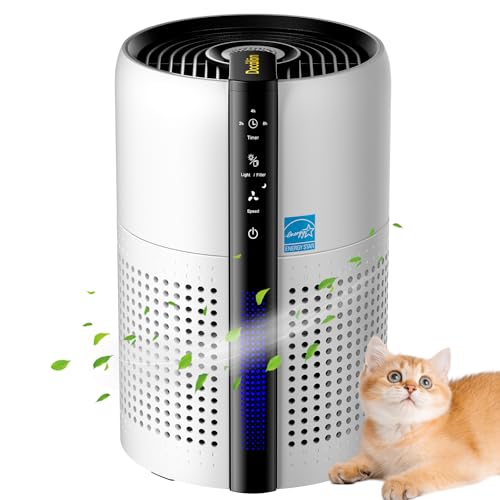
- air purifier with activated carbon for urine odor removal


Before You Start
Prepare the area by removing any solid waste and blotting excess liquid with disposable towels. Test cleaners on a small, inconspicuous area to ensure no discoloration. Open windows or run ventilation to help with drying. Time estimates vary by surface and odor intensity; plan for 2–6 hours for initial cleaning, with additional drying time as needed. Wear gloves and consider eye protection when handling cleaners.
Step-By-Step: How To Remove Urine Odor Effectively
- Identify all affected areas by smell and stain. Mark with a note or tape to ensure no spot is missed.
- Blot up as much liquid as possible with disposable towels. Do not rub, which can push urine deeper into fibers.
- Apply an enzyme-based cleaner to the stain. Follow the product label for the correct amount and dwell time. Enzymatic cleaners work best on porous materials that can trap odor molecules.
- Let the cleaner sit for the recommended dwell time to allow enzymes to break down urine proteins. If the odor persists, apply a second treatment.
- Gently blot the area again to remove excess moisture after the enzyme has worked. Avoid over-wetting to prevent mold and mildew growth.
- Apply a second product if needed: a pet urine odor neutralizer enzymatic cleaner can provide an extra layer of odor control on tough cases.
- Place activated charcoal odor absorber bags near the cleaned area or use an air purifier with activated carbon to remove lingering fumes. Keep them away from pets and children during use.
- Allow the item to dry completely. For carpets and fabrics, use a fan or dehumidifier to speed evaporation. Re-trace the area after drying to confirm odor removal.
Troubleshooting
| Symptom | Likely Cause | Fix | Prevention |
|---|---|---|---|
| Strong urine smell remains after cleaning | Enzymatic cleaner didn’t reach all molecules | Reapply enzymatic cleaner, ensure full saturation and dwell time | Treat fresh accidents promptly; consider protective sealant on porous floors |
| Odor returns after drying | Moisture trapped in padding or porous material | Deep clean affected padding or replace if necessary | Improve ventilation; use dehumidifier during drying |
| Discoloration or staining | Cleaner interacted with fabric | Test patch first; use gentler cleaner or stain-specific gel | Test in hidden area before full application |
| Odor persists in carpet edges | Edge fibers absorb more urine over time | Spot-clean edges with gel enzymatic cleaner and re-saturate | Address spills promptly |
Common Mistakes
- Using ammonia-based cleaners on urine-stained surfaces, which can intensify odor over time.
- Over-wetting carpets or fabrics, leading to mold or mildew growth.
- Rushing the drying process; insufficient drying can lock in odors.
Instead, follow enzyme-based treatments, allow adequate dwell time, and ensure thorough drying for best results.
Tips For Best Results
- Always use enzyme cleaners designed for pet urine, not generic cleaners.
- Work from the outside of the stain toward the center to avoid spreading.
- Test cleaners on a hidden area before full application to prevent damage.
- Combine deodorizing methods: enzymatic cleaner plus activated charcoal or an air purifier with carbon filtration.
- Repeat treatments for stubborn odors and consider a second pass after 24–48 hours if needed.
Call A Professional
Seek expert help if odors persist after multiple enzymatic treatments, the affected area is large, or the urine has saturated structural components such as subflooring. Signs to contact a pro include persistent musty smells, visible staining spreading beyond the surface, or signs of mold.
FAQ
How long does it take for urine odor to disappear after cleaning?
Most surfaces dry within several hours, but odor reduction can continue for 24–72 hours as enzymes fully break down molecules.
Can I use baking soda to supplement enzymatic cleaners?
Baking soda can help with moisture and odor absorption, but it should be used after enzymatic treatment and not as a substitute.
Is it safe to use an air purifier for urine odor removal around pets?
Yes, choose an air purifier with a carbon filter and place it in the room while keeping pets away from the unit during operation.
What surfaces are hardest to deodorize?
Porous materials like carpets, upholstery, and hardwood with deep stains tend to hold odors longer than sealed surfaces.
Do enzymatic cleaners leave residue?
Most do not if applied and dried according to the label; follow-up cleaning can help ensure no residue remains.
How often should I repeat treatment?
For severe odors, repeat after 24–48 hours. For mild odors, a single treatment may suffice.
Buying Guide
When choosing products to combat urine odor, consider factors such as size, effectiveness, and placement. A layered approach often yields the best results, combining enzymatic cleaners, odor absorbers, and air purification. Below are key considerations to help select the right tools.
- <bSize and coverage: Larger bottles like 1 gallon cleaners cover more area per treatment, reducing replacement cycles.
- <bOdor-neutralizing power: Enzymatic cleaners designed for pet urine specifically target proteins that cause lingering smells.
- <bAbsorption power: Activated charcoal bags effectively absorb residual odors in the air and near the treatment site.
- <bAir treatment: An air purifier with activated carbon can help remove airborne odor particles, especially in rooms with limited ventilation.
- <bSurface compatibility: Check labels to ensure the product is safe for carpet, upholstery, wood, tile, or concrete.
- <bEase of use: Look for spray bottles and gels with clear dwell times and simple application steps.
- <bPlacement: Place odor absorbers in the room, near the treated area, but away from pets and children when cleaning.
- <bMaintenance: Plan for ongoing odor control in homes with multiple pets or frequent accidents.
Would you benefit from a coordinated kit that combines an enzymatic cleaner, gel cleaner, and air purifier? A multi-product approach can simplify the process and improve outcomes. Always follow label directions, and start with the smallest area to refine technique before scaling up.