Paint stains on clothing can be stubborn, but with the right tools and a simple, repeatable process, most stains can be significantly reduced or eliminated. This guide provides practical steps using common stain-removal products to help American households restore fabric without harming the underlying material.
Quick Answer
Act quickly for best results. Blot excess paint, avoid rubbing, and choose a stain remover method based on paint type (water-based vs. solvent-based). Start with a fabric-safe stain remover, then launder as directed. For stubborn spots, repeat treatment or combine products designed for paint stains.
What You’ll Need
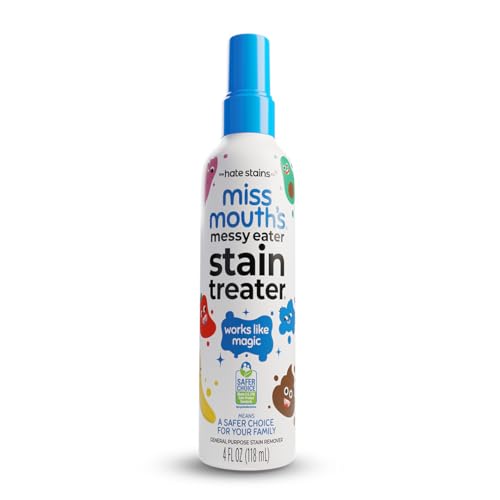
- Paint stain remover spray for clothing fabric
- Fabric stain remover pen for old dried paint on clothes
- Stain removing brush kit for clothes and fabrics
- Laundry prewash stain remover gel stick for paint stains
- Paint stain remover wipes for clothing
- Water, mild detergent, and a soft cloth or sponge


Before You Start
Before treating a paint stain, identify the fabric type and check care labels. Water-based paints (like acrylic latex) are usually easier to remove than solvent-based paints (oil or enamel). Test any product on an inconspicuous area first to avoid color loss or fabric damage. Protect your skin and eyes when handling solvents. Work in a well-ventilated area and use cold or lukewarm water when rinsing. Time estimates vary: light stains may take 15–30 minutes, while dried or set stains could require multiple treatments over several hours or days.
Step-By-Step: How To Remove Paint From Clothes
- Gently scrape off any excess paint with a dull edge, being careful not to spread the stain.
- Rinse the fabric from the back under cold running water to push paint out of the fibers.
- Apply a paint stain remover spray for clothing fabric to the stained area and let it sit per label instructions.
- For older or dried stains, use a fabric stain remover pen for old dried paint on clothes to target the core of the stain, then work in with a soft brush from the stain removing brush kit for clothes and fabrics.
- Gently rub the fabric with the brush kit to lift pigment, then rinse again with cold water.
- Apply a laundry prewash stain remover gel stick for paint stains and let it penetrate for several minutes. If the stain remains, repeat as needed.
- Wash the garment in the hottest water allowed by the care label with an appropriate detergent.
- Air dry the item and check the stain. If any color remains, repeat the treatment cycle before using heat (which can set the stain).
Troubleshooting
| Symptom | Likely Cause | Fix | Prevention |
|---|---|---|---|
| Stain remains after washing | Paint pigment bond; set stain | Repeat stain removal steps; apply gel stick again, then wash | Treat promptly; avoid heat until stain is gone |
| Bleaching or color loss | Harsh solvent or abrasive action | Stop and try milder methods; test on hidden area | Use products designed for fabric care and color-safe options |
| Fabric softness or damage | Excess scrubbing or aggressive solvents | Switch to gentler tools; limit abrasion | Follow label directions and fabric care guidelines |
| Stain reappears after drying | Incomplete removal; stain set by heat | Re-treat before drying; avoid dryer until clean | Precheck with a spot test; air dry when unsure |
Common Mistakes
- Rubbing the stain aggressively, which can embed pigment deeper into fibers.
- Using hot water on a fresh stain, which can set the pigment.
- Waiting too long to treat a paint stain, especially with oil-based paints.
- Ignoring care labels and using incompatible products with delicate fabrics.
Tips For Best Results
- Always start with cold water and a gentle approach; harsher methods aren’t always necessary.
- Test any stain remover on a hidden fabric area first to ensure colorfastness.
- For large spills, work from the outside of the stain inward to prevent spreading.
- For stubborn stains, alternate between solvent-based and water-based treatments as appropriate for the paint type.
Call A Professional
Seek professional help if the garment is valuable, handmade, or made of delicate fibers like silk or wool, or if the stain persists after multiple at-home treatments. Signs to stop at home include fading color, fabric distortion, or lingering odor from solvent-based products.
FAQ
Can I remove paint stains from all fabrics?
Most common fabrics respond to stain removers, but delicate materials like silk or wool may require specialist care.
What’s the difference between water-based and solvent-based paint stains?
Water-based paints are usually easier to remove; solvent-based paints may require stronger cleaners and careful fabric testing.
Should I dry the garment after treating a stain?
Only if the stain appears removed; heat can set remaining pigment, making it harder to remove.
How many treatments are usually needed?
Many stains improve after one treatment, but some may require multiple applications for complete removal.
Are stain removers safe for colorfast clothes?
Yes, when used as directed and tested on hidden areas, but always follow label instructions and fabric care guides.
When should I consider professional cleaning?
For costly fabrics, sentimental items, or stains that refuse to budge after several attempts, a professional cleaner is recommended.
Can I use household bleach on paint stains?
Only on colorfast fabrics and only if the care label allows it; otherwise, avoid bleach as it can damage fabric and color.
Buying Guide
When selecting products to remove paint from clothes, consider size and packaging convenience, fragrance and residue, and compatibility with fabric types. Compare options like spray types, gels, wipes, and pens to find the right combination for DIY stain removal. Consider whether you typically deal with water-based paints, which respond best to milder cleaners, or solvent-based paints, which may require stronger formulas. Look for products labeled safe for fabrics and colorfast materials, and choose items that allow spot treatments as well as whole-garment treatments. User reviews and ingredient lists help gauge effectiveness and skin compatibility. Finally, ensure the products come with clear instructions and safety warnings for household use.