Packing peanuts can be messy and lightweight, making cleanup a challenge. This guide outlines practical methods to remove, contain, and recycle foam packing peanuts in a typical American home. It emphasizes safe handling and efficient cleanup using common tools.
Whether you’re moving, unpacking a shipment, or tidying a storage area, the goal is to minimize mess, protect floors, and prevent peanuts from spreading to other rooms. The steps below balance speed with thoroughness to help you complete the cleanup with minimal effort.
Quick Answer
Start by gathering the necessary cleanup tools, use a vacuum or dustpan for small spills, and seal the remaining peanuts in an airtight container or bag. For large quantities, consider bagging and storing or recycling through local disposal programs.
What You’ll Need
- Shop vac for foam packing peanuts
- Handheld cordless vacuum for packing peanuts
- Dustpan and brush set for packing peanuts cleanup
- Large capacity trash bags for packing peanuts
- Storage tote bin for packing peanuts organization
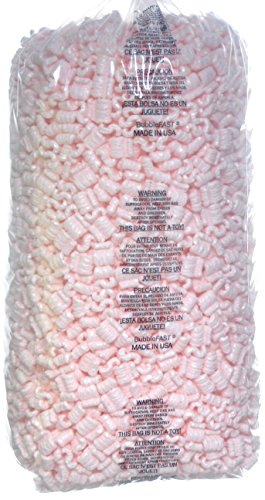


Before You Start
Assess the area and clear a path for cleanup. Wear shoes and consider a small dust mask if dust is a concern. Move furniture and large items slightly to access all spill zones. Decide ahead whether you’ll reuse, store, or dispose of the peanuts. Time estimate: 15–60 minutes depending on the spill size. If there are pets or children nearby, keep peanuts out of reach to prevent choking hazards.
Step-By-Step: How To Clean Up Packing Peanuts
- Contain the spill by gently sweeping peanuts into a pile using a dustpan and brush.
- Grasp loose peanuts with gloved hands or use a handheld vacuum to pick up the bulk of the material.
- For tight corners or under furniture, use a shop vac with a narrow nozzle attachment to extract remaining peanuts.
- Transfer collected peanuts to a large-capacity trash bag or storage tote for reuse or disposal.
- Wipe down the area with a damp cloth to pick up residual fragments that may cling to surfaces.
- Seal used peanuts in airtight bags or bins if you plan to reuse them for future shipments or storage.
- If you’re storing, place peanuts in a clear storage tote for easy future access and to keep them dry.
- Check adjacent rooms for stray fragments; peanuts tend to migrate through gaps and under doors.
- Ventilate the space for a few minutes to disperse any fine dust that may have accumulated.
- Dispose of empty bags and packaging ethically according to local guidelines.
- Consider setting up a small recycling routine to reduce future cleanup effort.
- Document the cleanup process if you’re coordinating a move or organizing a workspace for repeat spills.
Troubleshooting
| Symptom | Likely Cause | Fix | Prevention |
|---|---|---|---|
| Packing peanuts scatter widely after initial cleanup | Static cling and air currents | Keep doors closed, seal bags promptly, use a brush to guide peanuts | Store peanuts in a sealed container when not in use |
| Peanuts remain under furniture | Gaps and hard-to-reach areas | Use a shop vac with a crevice tool | Move furniture slightly during unpacking |
| Dust buildup after cleanup | Fine particles | Wipe with damp cloth, then dry thoroughly | Open windows briefly for ventilation |
| Peanuts cause allergies or respiratory irritation | Inhalation of small fragments | Wear mask, ventilate area, clean thoroughly | Avoid sweeping vigorously; use controlled suction |
Common Mistakes
- Using only a broom for large spills, which can push peanuts into cracks
- Rubbing the surface too hard, spreading fragments further
- Neglecting to seal bags, leading to re-spread during disposal
- Ignoring under-furniture or behind appliances where peanuts hide
Tips For Best Results
- Use a shop vac with an adjustable suction setting for delicate materials.
- Keep a dedicated bag or bin near the cleanup area for easier disposal.
- Excavate peanuts from corners first, then work toward the center for efficiency.
- For long-term storage, place peanuts in a moisture-proof tote and label clearly.
- Consider recycling programs or local drop-off points for foam packing materials.
Call A Professional
If peanuts have spilled into HVAC ducting, behind walls, or into electronics where static could cause damage, contact a professional technician. Seek help if there is a significant quantity that requires specialized handling, or if allergies or asthma symptoms worsen during cleanup.
FAQ
Are packing peanuts harmful to pets or children?
They can pose choking hazards; keep peanuts out of reach and supervise cleanup around pets and kids.
Can I reuse packing peanuts after cleanup?
Yes, store them in a sealed container for future shipments or packaging tasks.
What is the fastest way to clean up a small spill?
Use a handheld vacuum or dustpan and brush to gather loose peanuts, then seal and store or dispose.
Should I vacuum before or after sweeping?
For best results, sweep first to gather most of the peanuts, then vacuum to remove fine fragments.
Is it okay to flush packing peanuts down the toilet?
Do not flush; many packing peanuts are not biodegradable and can clog plumbing.
Can I recycle foam packing peanuts?
Check local guidelines; many areas accept clean packing peanuts at recycling centers or partner programs.
Buying Guide
When selecting cleanup tools for packing peanuts, consider size, noise level, and storage needs. A compact shop vacuum is useful for quick spills, while a handheld cordless vacuum offers portability for tight spots. Large-capacity trash bags simplify disposal, and a storage tote bin keeps peanuts organized for reuse. Look for quiet operation, easy-to-clean attachments, and compatibility with foam materials. If you frequently deal with packing peanuts, a dedicated cleanup kit that includes a dustpan, brush, and a small vacuum can streamline the process and reduce scattered fragments.