Old checks pose a risk of identity theft if they fall into the wrong hands. Proper disposal ensures sensitive banking information is irrecoverable. This guide walks through practical, user-friendly methods to destroy checks, with a focus on safe shredding and compliant practices for households and small offices.
Quick Answer
For most households, use a dedicated check shredder or a cross-cut/document shredder designed for checks. Shred beyond recognition, allow the shards to be mixed with regular trash, and never burn checks. Keep bank routing numbers private during disposal and consider shredding any accompanying sensitive documents as a precaution.
What You’ll Need
The following tools align with common check-disposal needs and are suitable for home offices and small businesses:
- cross-cut document shredder for checks
- micro-cut check shredder machine
- confidential document shredder checks
- bank check disposal shredder
- check destruction shredder for old checks

Before You Start
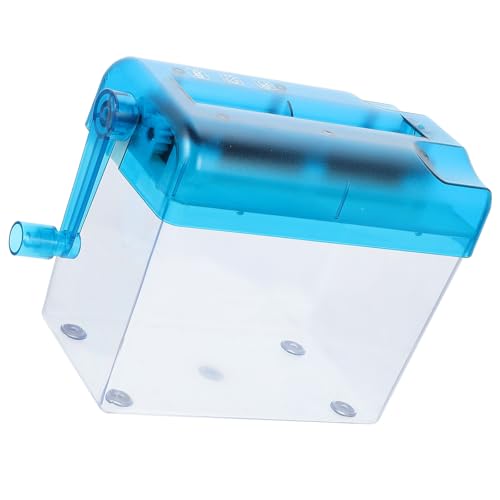
Before shredding, gather all old and unused checks, including those with partial information. Remove staples or paper clips if present to prevent jams. Clear the shredding area of pets and children, and read the user manual for your specific model. Time estimates vary by volume: small batches (10–50 sheets) can take minutes; larger stacks may require planned sessions. Never burn checks as the chemicals and plastics can release toxic fumes and the process may be illegal in some places.
Step-By-Step: How To Dispose Of Old Checks
- Collect all checks you want to discard, including any stubs with routing numbers.
- Choose the appropriate shredder setting. For checks, a micro-cut or cross-cut setting offers better security than a simple strip-cut.
- Divide the workload into manageable batches to avoid overloading the shredder motor.
- Feed checks into the shredder one at a time or in small stacks, removing staples or clips first.
- Empty the bin regularly to prevent jams and overheating; inspect for any unshredded fragments.
- Place shredded material in a secure trash bag or container and seal. For added privacy, mix with other paper waste before disposal.
- Document disposal in households by noting the date of shredding and the number of checks destroyed for record-keeping.
- If the checks included sensitive financial information, consider shredding any accompanying documents as well (statements, payment stubs).
- Recycle shredded paper when possible, following local guidelines for mixed materials.
- Store the disposal evidence (receipts or notes) only if required by your organization’s policy, and securely dispose of any logs when they’re no longer needed.
- Perform routine checks on the shredder’s blades and oiling schedule to maintain performance over time.
- After disposal, clean the shredder rollers and plug it back into a safe storage location or resume normal use for other documents.
Troubleshooting
| Symptom | Likely Cause | Fix | Prevention |
|---|---|---|---|
| Shredder jams frequently | Overload or staples in checks | Feed fewer sheets; remove staples | Pre-check for metal fasteners before shredding |
| Shredder runs but produces unshredded fragments | Wrong blade setting | Switch to micro-cut or cross-cut mode | Confirm settings before start |
| Unusual heat or burning smell | Overheating motor | Pause, allow cooling, reduce batch size | Shred in shorter sessions |
| Paper dust clogs bin | Small shredded particles | Empty bin more often and use a larger bag | Regular maintenance |
Common Mistakes
- Shredding checks without removing staples or clips
- Using the wrong shredder setting for checks
- Disposing shredded material in a non-secure trash stream
- Rushing batches and causing jams or overheating
By avoiding these mistakes, disposal remains secure and efficient, reducing the risk of identity theft.
Tips For Best Results
- Establish a regular shredding routine to prevent large backlogs.
- Keep a spare bin liner and oil for the shredder to minimize downtime.
- Label the disposal area clearly to prevent accidental mixing with non-sensitive documents.
- Combine check destruction with routine document shredding to maximize efficiency.
- Store shredded material in a secure location until final disposal is completed.
Call A Professional
Consider a professional service if you have bulky stacks of old checks, a business-scale quantity, or concerns about regulatory retention policies. Stop signs for DIY disposal include: ongoing security concerns, mixed or unreadable shredded material, or lack of confidence in handling sensitive documents. In these cases, a licensed document destruction service can securely handle destruction and provideCertification of Destruction for compliance.
FAQ
How should I store old checks before shredding?
Keep checks in a cool, dry place away from children and pets; wait to shred until you have a full batch to minimize trips to the shredder.
Can I shred checks with a regular paper shredder?
Yes, but a dedicated micro-cut or cross-cut shredder offers higher security and reduces the chance of reconstructing sensitive data.
Is it safe to mix shredded checks with other paper waste?
Mix shredded checks with other paper waste in a sealed bag to prevent unauthorized access during recycling or disposal.
What should I do with shredded check remnants after disposal?
Contain shredded remnants in a sturdy bag or container and dispose of them according to local waste guidelines; consider recycling where accepted.
Buying Guide
When selecting a shredder for old checks, consider size, noise, energy use, controls, and placement. A compact, energy-efficient model with dedicated check modes is ideal for homes and small offices. Look for anti-jindge features, easy empty bins, and reliability for ongoing security. If you have a steady stream of checks, a micro-cut shredder with a larger hopper reduces downtime. For shared spaces, choose a model with safety interlocks and a lower noise profile. Consider placement near a desk or filing cabinet for quick disposal, but away from high-traffic areas to minimize distractions and accidental access. Finally, evaluate compatibility with check volume and whether you prefer a standalone machine or a multi-function unit that handles other sensitive documents as well.