Oil stains on walls can be stubborn, especially in kitchens, garages, or near dining areas. With the right approach and tools, most oil marks can be lifted without damaging paint or wallpaper. This guide outlines practical, step-by-step methods using common cleaners and dedicated degreasers, plus maintenance tips to help prevent new stains.
Quick Answer
Assess the surface—painted walls respond best to gentler cleaners, while bare plaster or wallpaper may need milder approaches. Test a small inconspicuous area first. For stubborn stains, a dedicated degreaser or solvent can help, followed by a rinse and light touch-up if needed.
What You’ll Need
The following tools and products are recommended for effective oil stain removal from walls. Each item is chosen to cover common situations—from light grease to tougher oil marks:
- Melamine foam magic eraser wall cleaner oil stain remover 2-pack
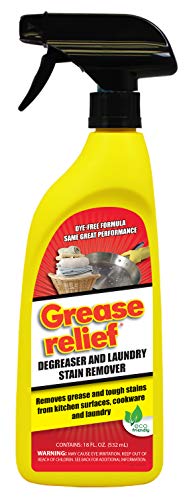
- Grease stain remover spray for walls degreaser 24 oz
- Citrus solvent degreaser spray for walls 32 oz
- Microfiber cleaning cloths for walls grease stains 12 pack
- Nylon bristle wall cleaning brush oil stain removal kit


Before You Start
Prepare the area by removing furniture and laying down drop cloths. Ventilate the room if you’re using solvents. Wear gloves to protect skin and avoid inhaling fumes. Do not use abrasive tools on delicate painted surfaces, which can scar the wall. Time estimates vary: lighter stains may take 10–15 minutes, while tougher oil marks could require multiple passes over 30–60 minutes.
Step-By-Step: How To Remove Oil Stains From Walls
- Identify the stain type and surface finish. If the wall is glossy paint or semi-gloss, you can use stronger degreasers; for matte paint, start gentler to avoid dulling the finish.
- Prepare your cleaning solution. For light stains, mix a small amount of mild dish soap with warm water. For heavier grease, apply a grease stain remover spray for walls or a citrus solvent degreaser spray.
- Spot test. Dampen a microfiber cloth and press gently on an inconspicuous area. If there’s no discoloration, proceed to the stain.
- Apply cleaner to the stain. Use a nylon bristle wall cleaning brush for stubborn marks or the melamine foam magic eraser to lift oil particles. Work in small circular motions, starting at the outer edge and fading inward.
- Rinse the area with a clean, damp microfiber cloth. Wipe in a single direction to remove residue and avoid spreading oil to unclean areas.
- Repeat as needed. For persistent stains, apply a second treatment with the degreaser spray, then rinse thoroughly. Do not oversaturate the wall, especially if it’s painted or wallpapered.
- Dry and inspect. Allow the wall to air dry fully. If a faint stain remains, a second, lighter pass may be necessary, or consider repainting small patches for an even finish.
Troubleshooting
| Symptom | Likely Cause | Fix | Prevention |
|---|---|---|---|
| Stain reappears after drying | Oil residue was not fully removed | Reapply cleaner and rinse thoroughly | Wipe any cooking splatters promptly |
| Paint dulls or peeled | Aggressive solvent used on delicate paint | Switch to milder cleaner and test first | Stick to appropriate cleaners for your finish |
| Streaks or discoloration | Cleaner too concentrated or uneven drying | Dilute cleaner or use a fresh microfiber cloth | Work in small sections and rinse well |
| Wallpaper peels after cleaning | Moisture reached the adhesive | Limit moisture and consider professional wallpaper care | Use minimal water and fast-drying products |
Common Mistakes
- Over-wetting walls, especially with porous surfaces
- Using abrasive pads that scratch paint or wallpaper
- Skipping a test patch before full application
- Rushing the drying process, leaving damp patches that attract more dirt
Preventive habits include wiping down oil-prone walls after cooking, installing a kitchen backsplash, and using splash guards for high-traffic areas.
Tips For Best Results
- Choose the right product for your surface: a citrus solvent degreaser for heavy grease and a mild soap solution for delicate finishes.
- Work in micro-sections to avoid spreading oil to clean areas.
- Pair cleaner with appropriate tools: microfiber cloths for delicate touch and nylon bristle brushes for textured walls.
- Always finish with a clean, dry pass to remove any residue that could attract more dirt.
Call A Professional
Consider professional help if:
- The stain covers a large area or recurs after cleaning.
- Walls are unfinished, wallpaper is delicate, or the paint finish is peeling.
- You notice mold, persistent odors, or staining near electrical fixtures.
FAQ
What is the best cleaner for kitchen oil stains on walls?
Degreasing sprays or citrus solvent degreasers are typically most effective, followed by a gentle soap and water rinse.
Can I use a magic eraser on painted walls?
Yes, for many finishes it’s safe, but test first in an inconspicuous spot to avoid dulling or removing paint.
Will water alone remove oil stains?
Most oil stains require a solvent or degreaser; plain water is often insufficient.
How long should walls dry after cleaning?
Most walls dry within 1–2 hours under normal room conditions, but textured surfaces may take longer.
Is it safe to use solvents on wallpaper?
Only if the wallpaper is vinyl or highly resistant; otherwise, avoid solvents that could loosen adhesive.
What if the stain returns after cleaning?
Re-clean with a stronger degreaser, ensuring thorough rinsing, and consider repainting if persistence continues.
Are there eco-friendly options?
Yes, many citrus-based degreasers and biodegradable cleaners can safely remove oil stains with less chemical impact.
Buying Guide
When choosing products to remove oil stains from walls, consider size, finish compatibility, and application method. Here are key factors to compare:
- Size and coverage: Larger spray bottles or multi-packs reduce trips to the store, especially in kitchens or offices with several walls.
- Noise level and ease of use: Simple spray bottles and spray-on foams are generally quiet and quick to apply.
- Energy efficiency: Not a main concern here, but look for products that require minimal processing steps, reducing overall cleaning time.
- Controls and application: Opt for precise spray heads or foam applicators to target stains without overspreading.
- Placement considerations: Consider whether you are cleaning ceilings, high walls, or near furniture, and choose tools accordingly (brushes for textured walls, microfiber for smooth surfaces).
For best results, select a combination of a degreaser spray, a soft cleaning brush, and microfiber cloths. This trio covers initial grease lifting, physical agitation, and careful wiping. Ready-to-use spray systems often deliver fast results with minimal wetting time. If you clean multiple rooms, a compact setup with a 32 oz citrus solvent degreaser can be convenient. Want a gentle option for delicate finishes? Start with a mild dish soap solution and a microfiber cloth, then escalate only if needed.