Oil stains on concrete can be stubborn, but with the right approach and products, you can restore a clean, uniform appearance. This guide walks through safe prep, effective cleaners, and step-by-step methods tailored for American homes and garages.
Readers will find a practical sequence that uses common concrete degreasers and accessible tools to tackle fresh and old stains alike. The focus is on reliable methods, safety considerations, and routines that minimize surface damage while maximizing oil stain removal results.
Quick Answer
Act quickly on fresh stains with an absorbent, then apply a concrete degreaser for oil stains. For stubborn stains, use a heavy-duty cleaner or a degreaser powder and scrub with a dedicated concrete brush. Finish with a rinse or pressure washing to reveal a cleaner surface.
What You’ll Need
- Concrete degreaser for oil stains
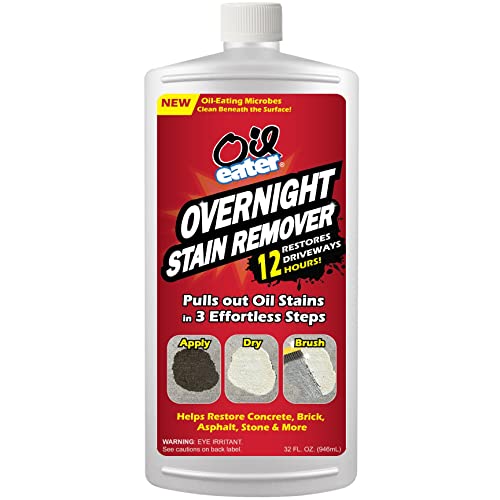
- Oil stain remover for concrete
- Heavy-duty concrete cleaner degreaser powder
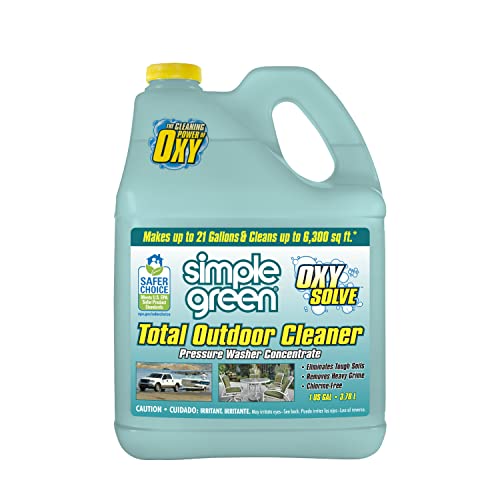
- Pressure washer concrete cleaner detergent
- Concrete scrub brush with degreaser kit

Before You Start
Prepare the area by removing loose debris and guarding nearby plants or delicate surfaces. Wearing gloves, eye protection, and a mask is recommended when handling chemical cleaners. Conduct a small test patch in a hidden area to confirm colorfastness. Time estimates vary: light stains may require 30–60 minutes of contact, while deep stains can demand several hours or multiple applications. Never mix cleaners with household bleach or ammonia, and avoid applying on porous indoor flooring without proper ventilation.
Step-By-Step: How To Remove Oil Stains From Concrete
- Blot fresh spills with absorbent material to remove as much oil as possible without spreading it.
- Apply the concrete degreaser for oil stains to the affected area, following label directions for coverage and dwell time.
- Scrub the stain with a concrete scrub brush with degreaser kit, using firm circular motions to work the cleaner into pores.
- Rinse or lightly spray with water, then inspect the stain. For stubborn spots, repeat the degreaser application and brushing.
- If the stain persists, mix a paste with heavy-duty concrete cleaner degreaser powder and water, apply to the stain, and let dwell as directed.
- After treatment, rinse thoroughly with a pressure washer or hose. Allow the surface to dry completely before re-evaluating.
- For large or deeply embedded stains, consider applying oil stain remover for concrete as a follow-up treatment per product guidelines.
- Seal the cleaned area after it dries to reduce future staining and simplify maintenance.
Troubleshooting
| Symptom | Likely Cause | Fix | Prevention |
|---|---|---|---|
| Stain reappears after first pass | Oil penetrated deep into pores | Repeat degreaser treatment; consider paste with powder cleaner | Address spills promptly; seal concrete after cleaning |
| Cleaner causes surface discoloration | Incompatible product or improper dilution | Rinse thoroughly and test on a hidden area first | Follow manufacturer instructions precisely |
| Residual stain remains in crevices | Stain trapped in cracks or joints | Use a brush with stiff bristles; repeat applications | Deep clean periodically to prevent buildup |
| Strong chemical odor persists | Insufficient ventilation | Increase airflow; wear a respirator if needed | Work during dry, mild weather for outdoor projects |
Common Mistakes
- Using household detergents alone on oil stains
- Over-wetting the area and spreading oil further
- Skipping a test patch on a hidden area
- Neglecting thorough rinsing, leaving cleaner residue
Tips For Best Results
For best outcomes, tackle stains when they’re fresh and avoid heavy traffic on the area during treatment. Larger concrete surfaces respond well to repeated applications rather than a single aggressive pass. Always follow product labels, cool and calm weather helps curing and drying, and consider sealing after cleaning to reduce future staining.
Another practical approach is to pre-treat with a solvent- or enzyme-based cleaner on certain oil types, then switch to a dedicated degreaser for final lift. Keeping a dedicated scrubbing brush on hand and hot water for rinsing speeds up the process.
Call A Professional
Seek professional help if stains are deeply embedded, cover large areas (e.g., a driveway-wide patch), or if previous DIY attempts failed. Stop the project and consult a concrete cleaning specialist if:
- The surface shows significant damage, such as spalling or cracking
- Oil stains are associated with hazardous substances or unknown origins
- Electrical outlets or wiring are near the staining area and require safe handling
FAQ
Can I remove oil stains from new concrete the same day it spills?
Yes, acting quickly with absorbent material and a degreaser improves chances of full removal.
Is pressure washing safe for stained concrete?
Yes, when done properly with the appropriate detergent and a gentle nozzle, it enhances cleaning without damaging the surface.
Are there environmentally friendly options for oil stain removal?
Yes, many concrete degreasers and stain removers are formulated to minimize environmental impact; check labels for eco-friendly claims.
How long should I wait after cleaning before sealing?
Allow the surface to dry completely, typically 24–48 hours in normal conditions, before applying a sealer.
What if staining recurs after sealing?
Reassess the sealant choice and consider a deeper clean or a different type of sealer designed for oil resistance.
Is it okay to mix products to save time?
Do not mix cleaners. Follow each product’s instructions for use and safety warnings.
Buying Guide
When choosing products to remove oil stains from concrete, consider factors such as stain age, surface porosity, and indoor vs outdoor use. Key buying factors include size and coverage, the strength of the degreaser or cleaner, and ease of use.
Size and coverage determine how many treatments are needed for larger areas. Look for containers that indicate the number of square feet covered per gallon or per package. Noise and ventilation considerations apply to enclosed spaces if using pressurized equipment, so plan accordingly.
Energy efficiency or environmental impact may be important for eco-conscious buyers, with options emphasizing biodegradable formulas and low-VOC emissions. Controls on the product label should show dwell times, dilution ratios, and safe handling instructions. For placement, outdoor use is typical for driveways and sidewalks, while garages may require products formulated for mineral-based stains and concrete porosity.
In practice, pairing a concrete degreaser for oil stains with an oil stain remover for concrete can offer complementary benefits, especially on stubborn spots. A heavy-duty cleaner powder often serves as a follow-up or alternative when liquid degreasers fall short. A dedicated concrete scrub brush with degreaser kit helps maximize mechanical cleaning, and a pressure washer detergent improves rinsing efficiency. Consider the layout of the area and the expected maintenance routine when selecting these tools.