Off-gassing from new furniture, cabinets, or building materials can produce persistent odors and potential VOC concerns. The following practical steps combine ventilation, filtration, and targeted odor control to reduce or neutralize these smells in typical American homes. The approach emphasizes safe usage of readily available products and creates a transparent workflow for temporary and long-term odor management.
Quick Answer
Ventilate the space for several hours daily. Use an air purifier with an activated carbon filter to capture VOCs and odors. Absorb remaining smells with activated charcoal bags. Seal persistent sources or consider a cabinet carbon panel if odors persist in enclosed areas.
What You’ll Need
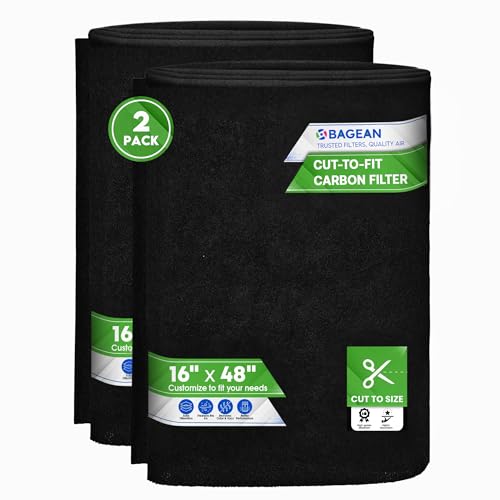
- Activated carbon air filter for odors VOC removal
- Portable HEPA air purifier with activated carbon filter for off-gassing
- Odor absorbing activated charcoal bags 4×6 inches
- VOC odor eliminator air purifier replacement filter carbon layer
- Activated charcoal carbon filter panel for off-gassing cabinets 12×24 inches


Before You Start
Identify primary odor sources and ensure good ventilation. Clear the area of heavy dust and wipe surfaces with a mild detergent before using filtration. Never mix chemical cleaners with strong VOCs without proper ventilation. Plan for a practical time frame: initial deodorization may take 24–72 hours, with ongoing filtration as needed.
Step-By-Step: How To Remove Off-Gassing Smell
- Open windows or create cross-ventilation to increase air exchange in the room.
- Place a portable HEPA air purifier with an activated carbon filter in the odor area. Run it on a medium to high setting for several hours.
- Position active carbon filters near suspected sources, such as new cabinets or paneling, to capture VOCs at the source.
- Use odor absorbing activated charcoal bags in corners and near surfaces that retain smells.
- Consider a dedicated activated charcoal carbon filter panel for enclosed spaces like cabinets or closets (examples: 12×24 inches panels).
- Run a second purifier or replace the carbon filter after 2–3 weeks if odors linger or intensity remains high.
- Maintain cleanliness by keeping the space dust-free; vacuum filters as recommended by manufacturers.
- Track odors daily and adjust fan speed, placement, or filter type as needed.
- For stubborn smells, temporarily seal the source area while continuing airflow and filtration.
- Document changes in odor levels to assess when ongoing filtration can be reduced or stopped.
- If odors persist beyond several weeks, consider professional evaluation of VOC sources and building materials.
- Dispose of spent charcoal bags and used filters following local guidelines and manufacturer instructions.
Troubleshooting
| Symptom | Likely Cause | Fix | Prevention |
|---|---|---|---|
| Odor remains strong after purification | High VOC sources or inadequate air exchange | Increase purifier capacity or add carbon panels near sources | Ventilate during dry days; remove strong VOC items |
| Weak odor removal from space | purifier placement or filter saturation | Reposition purifier to capture airflow and replace carbon filter | Run purifier continuously during initial off-gassing period |
| Surface smells linger | Odor absorbed into porous materials | Apply charcoal near surfaces and use panel filters in cabinets | Seal porous sources or line with odor-blocking barrier |
| Filter turns quickly dark or wet | Moisture or overloading with VOCs | Dry area; replace filters and bags regularly | Control humidity and expose filters to sunlight when safe |
Common Mistakes
- Relying on a single air purifier for large rooms
- Skipping pre-cleaning of dusty surfaces
- Using strong cleaners without ventilation before filtration
- Ignoring humidity, which can prolong odors
Avoid these missteps to maximize odor removal and protect indoor air quality.
Tips For Best Results
- Run multiple air purifiers during peak off-gassing periods for faster results.
- Place carbon-based filtration near the odor source for targeted capture.
- Combine mechanical filtration with chemical absorption for VOC reduction.
- Regularly monitor air quality and replace filters per usage and air conditions.
- Keep spaces sealed when airing out is not feasible to maintain cleaner air longer.
Call A Professional
Seek professional help if any of the following occur: persistent strong chemical smells beyond several weeks, symptoms such as dizziness or headaches, or if you suspect exposure to hazardous substances. A building or indoor air quality specialist can perform a formal VOC assessment and recommend tailored remediation.
FAQ
What is off-gassing and why does it happen?
Off-gassing is the release of VOCs from materials like new furniture, paint, or cabinets as they cure or age, often producing odors.
How long does off-gassing typically last?
Duration varies; some sources lessen within days, others may last weeks. Ongoing filtration helps reduce exposure during this period.
Can I use essential oils to mask the smell?
Masking odors with fragrances is not advised; it can obscure VOC presence. Use filtration and ventilation to address the source.
Is baking soda effective for VOCs?
Baking soda can absorb some smells, but it is not a reliable solution for VOC removal. Combine with mechanical filtration for best results.
When should I replace filters and charcoal?
Follow manufacturer guidelines, but replace when odor control declines or after several weeks of heavy use.
Are activated charcoal bags safe for pets and kids?
Yes, when used as directed; place bags out of reach of curious animals and children to avoid ingestion.
Can I use a cabinet carbon panel to address odors?
Yes, activated charcoal panels sized for cabinets can help neutralize odors in enclosed spaces.
Buying Guide
Choosing the right solution for off-gassing odors involves several factors. Consider room size and airflow to determine purifier capacity and the number of units needed. Look for a model with an activated carbon filter designed for VOC removal, and verify the filtration efficiency of the HEPA stage. Noise level matters for bedrooms or nurseries, so review decibel ratings at typical operation speeds. Energy efficiency supports long-term use; compare power consumption and filter replacement costs. For placement, use portable purifiers for living areas and carbon panels for cabinets or closets. Ensure compatibility with existing ventilation and consider a maintenance schedule to keep odors under control. If odors are localized, targeted approaches such as 12×24 inch carbon panels can be effective. Finally, read reviews to confirm real-world performance and filter longevity before purchase.