Nicotine odor can linger after smoking indoors, affecting air quality and comfort. This guide outlines practical steps and effective tools to reduce and remove cigarette odor in living spaces, offices, and rental homes. By combining ventilation, filtration, and targeted odor control, most homes can reclaim fresh air.
The following sections provide a concise, actionable plan that emphasizes real-world solutions and safe methods for U.S. households.
Quick Answer
Best initial approach: ventilate thoroughly, use a combination of filtration and activated carbon, and deodorize fabrics and carpets. For stronger odors, specialized devices like high-capacity air purifiers and odor absorbers accelerate results.
What You’ll Need
- HEPA air purifier for cigarette smoke removal large room
- activated carbon air purifier nicotine odor eliminator
- ozone generator for cigarette smoke odor removal
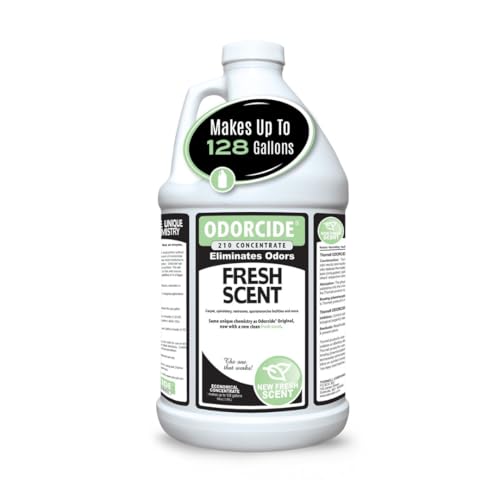
- carpet cleaner with odor neutralizer for smoke damage
- odor absorber gel activated carbon nicotine odor


Before You Start
Prepare for a multi-day process if odors are embedded in walls, carpets, or upholstery. Open windows and run fans to establish cross-ventilation. Wear a mask if odors are strong or irritants are present. Never run an ozone generator in occupied spaces and follow all safety instructions. Estimate time for initial improvement: 24–72 hours, with ongoing treatment over a week or more for severe odors.
Step-By-Step: How To Get Rid Of Nicotine Smell In Your Home
- Ventilate the space by opening all windows and doors, using fans to create cross-ventilation.
- Remove and launder washable fabrics where possible, including curtains, slipcovers, and pillow covers.
- Deep clean hard surfaces with a cleaner that removes cooking and tobacco residues; wipe walls and baseboards.
- Treat carpets and upholstered furniture with a carpet cleaner with odor neutralizer for smoke damage to lift embedded odors.
- Set up a HEPA air purifier for cigarette smoke removal large room in central living areas to capture particles and reduce odor-carrying ash.
- Place odor absorber gel activated carbon nicotine odor around rooms to absorb lingering vapors, especially in corners and closets.
- In rooms with persistent smell, deploy an activated carbon air purifier nicotine odor eliminator to adsorb volatile compounds.
- Run the purifiers continuously for several days, adjust placement to optimize airflow, and replace filters as recommended.
- For severe cases, consider a professional cleaning service that specializes in odor removal and fabric restoration.
- Reassess weekly: check for diminishing odor, re-clean as needed, and refresh carbon products every 1–3 months.
- Contain odors in smaller spaces by keeping doors closed and using targeted purifiers near the most affected areas.
- Follow up with ongoing maintenance: regular vacuuming with a HEPA-filter vacuum and routine purifier use.
Troubleshooting
| Symptom | Likely Cause | Fix | Prevention |
|---|---|---|---|
| Odor lingers after cleaning | Odor trapped in fabrics or carpets | Re-clean with odor-neutralizing products; treat fabrics with a targeted cleaner | Regular maintenance cleaning and frequent airing |
| Air smells fresh briefly, then odors return | Residual vapors in walls or HVAC ducts | Clean or seal surfaces and consider duct cleaning | Improve ventilation and run purifiers continuously |
| Purifiers seem ineffective | Filters or activated carbon exhausted | Replace filters; add more carbon-based absorbers | Schedule regular filter changes |
| Ozone generator used in occupied space | Ventilation and safety risk | Do not use in occupied rooms; use only in unoccupied spaces per manufacturer guidelines | Adhere to safety instructions and local regulations |
Common Mistakes
- Relying on a single solution; odor requires multiple approaches (air, fabric, and surfaces).
- Ignoring hidden sources like vents, garages, or smoke-stained walls.
- Running purifiers at low settings or for short periods—odors return.
- Using ozone generators without safety precautions in occupied spaces.
Note: Odor removal is more effective when combining air purification with cleaning and odor absorbers, rather than relying on deodorizing sprays alone.
Tips For Best Results
- Place a purifier with a true HEPA filter in main living areas and bedrooms for continuous cleanup.
- Position carbon-based absorbers near sources of odor, such as smoking zones or living areas with fabrics.
- Ventilate during and after cleaning to remove liberated vapors quickly.
- Wash or replace HVAC filtration to prevent re-circulation of odor-laden air.
- Test for odors in multiple rooms; odors can migrate through shared walls and ducts.
Call A Professional
Consider a pro if odors persist after standard cleaning, especially in rental properties or homes with heavy nicotine residue. Stop signs include odor returning after repeated cleaning, stubborn staining on walls or ceilings, or ongoing respiratory irritation for occupants.
FAQ
What is the fastest way to remove nicotine smell from a room?
Improve ventilation, use a high-capacity air purifier, treat fabrics, and apply odor absorbers to surfaces.
Can an ozone generator help with nicotine odor?
Ozone generators are effective in unoccupied spaces and should not be used while people or pets are present.
Do carpet cleaners remove nicotine odors completely?
They help significantly when paired with odor-neutralizing formulas and re-cleaning of affected areas.
How long does it take to remove nicotine smell?
Initial improvement can occur within days, but complete odor removal may take a week or longer depending on exposure and materials.
Are activated carbon products safe for homes?
Activated carbon is generally safe when used as directed; avoid overuse and ensure proper ventilation during operation.
Buying Guide
Choosing the right odor-control tools depends on room size, odor severity, and the home layout. Consider these factors to match products to needs:
- Size and Coverage: For large rooms or open plans, select a HEPA air purifier with high CADR (clean air delivery rate) suitable for the space.
- Noise Level: Look for models with quiet or sleep modes if bedrooms are affected.
- Energy Efficiency: Energy Star-rated purifiers save electricity during extended use.
- Controls: Simple interfaces, timer settings, and filter indicators help maintain performance.
- <bPlacement: Position purifiers away from walls, at breathing height, and near odor sources for best results.
For multi-surface odor issues, combining tools like a large-room purifier, activated carbon devices, and odor absorbers often yields the most reliable results. If unsure, a professional assessment can provide a tailored plan that fits the home’s layout and occupancy.