Musty odors in homes are often a sign of excess humidity, mold, and mildew. Tackling the smell requires a combination of moisture control, air purification, and targeted cleaning. This guide outlines practical steps for American homes, using common tools and products to improve indoor air quality and create a fresher living environment.
Quick Answer
Address moisture first with a dehumidifier, then treat odors with an air purifier and activated charcoal. Follow up with a mold remediation spray for problem spots, and monitor humidity with a digital hygrometer to prevent recurrence.
What You’ll Need
The following tools and products help remove musty smells effectively. Use the items where appropriate for your space.
- dehumidifier 50 pint for basement moisture control
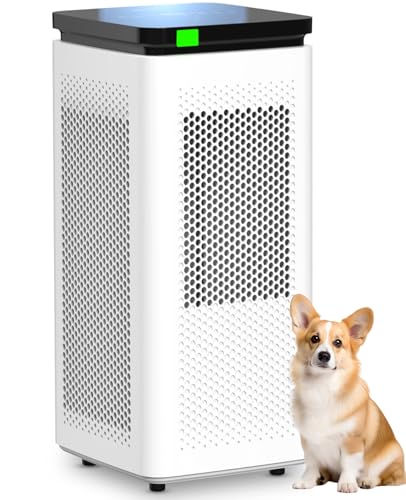
- HEPA air purifier with activated carbon filter for mold odor removal
- activated charcoal odor absorber bag musty smell removal
- mold and mildew remediation spray kit for home use
- hygrometer with digital display humidity meter for dampness detection


Before You Start
Before beginning, identify damp areas such as basements, bathrooms, and laundry rooms. Ensure proper ventilation when using sprays and cleaners. Clear clutter to improve airflow and reduce hiding spots for mold. Plan for a time window of several hours to a full day depending on space size and moisture level. Safety first: wear gloves and a mask when mold is present and follow label directions on all products.
Step-By-Step: How To Eliminate Musty Odors
- Assess affected areas: locate visible mold growth and sources of dampness, such as leaks or standing water.
- Reduce humidity: place the dehumidifier 50 pint for basement moisture control in the most humid area and run it at a setting around 40-50% relative humidity.
- Improve air filtration: run the HEPA air purifier with activated carbon filter for mold odor removal to capture mold spores and absorb odors.
- Target odors with charcoal: position activated charcoal odor absorber bag musty smell removal around rooms and closets to neutralize persistent smells.
- Monitor humidity: use the hygrometer with digital display humidity meter for dampness detection to track moisture levels over time and adjust the dehumidifier as needed.
- Deep clean fabrics and soft surfaces: launder curtains, cushions, and bedding. Consider a 20-minute sun or air-drying method to reduce moisture in textiles.
- Recheck for lingering odors: after cleaning and airing out, run the purifier and dehumidifier for several more hours to ensure odor molecules are reduced.
- Maintenance: schedule regular humidity checks and clean dehumidifier coils to maintain efficiency.
- Contain future growth: fix leaks promptly and seal basements or crawl spaces to prevent moisture intrusion.
- When to repeat: if musty smells return, repeat the cycle focusing on the source of moisture and expanding treated areas.
<liTreat mold-prone surfaces: apply the mold and mildew remediation spray kit for home use to affected walls, grout, and other hard surfaces. Follow product directions and allow to dry completely.
Troubleshooting
| Symptom | Likely Cause | Fix | Prevention |
|---|---|---|---|
| Persistent musty smell after cleaning | Hidden moisture or unseen mold | Reassess all areas, use a hygrometer, and re-treat affected spots | Address leaks and ensure ventilation |
| Humid air despite dehumidifier | Insufficient capacity for space or doorways blocking airflow | Move unit to central location, add another unit if needed | Seal off moisture sources and improve airflow |
| Allergic symptoms worsen | Mold spores still in air | Replace or upgrade air purifier filter; increase run time | Regular maintenance of filtration systems |
| Fabrics still smelling musty | Textiles trapped odors | Wash or replace textiles; use charcoal in closets | Dry completely and rotate textiles |
Common Mistakes
- Ignoring hidden moisture in basements or crawl spaces
- Relying on air fresheners instead of addressing the moisture source
- Running dehumidifiers at too low an efficiency or for too short a duration
- Using cleaners without proper ventilation and PPE
Avoid masking odors with sprays alone. Concentrate on moisture control and airflow to prevent recurrence.
Tips For Best Results
- Place dehumidifiers in the center of the most affected rooms for even moisture removal.
- Keep interior doors open during treatment to maximize air exchange.
- Clean or replace filters on the HEPA purifier regularly to maintain performance.
- Use activated charcoal products in closets and under sinks for targeted odor control.
- Schedule seasonal humidity checks, especially in humid climates or after heavy rain.
Call A Professional
Seek professional help if there is extensive mold growth, persistent dampness after repeated treatments, or if the home has structural water damage. If symptoms such as persistent coughing, wheezing, or eye irritation occur, consult a medical professional and a licensed mold remediation service.
FAQ
Can a dehumidifier alone remove a musty smell?
Dehumidifiers reduce humidity, which slows mold growth, but combining them with air purification and targeted cleaning yields better odor removal.
How long does it take to remove musty odors?
Results vary by space size and moisture level, but most homes notice improvement within 24 to 72 hours of continuous treatment.
Is it safe to use mold remediation spray kit myself?
Yes, when following label directions and wearing proper PPE. Full remediation may require professional assessment for large areas.
How often should I check humidity in a damp home?
Check weekly during damp seasons and after major rain events; maintain a relative humidity around 40–50% for comfort and mold prevention.
Buying Guide
When choosing equipment to prevent and remove musty smells, consider size, efficiency, and placement. A well-suited system combines a capable dehumidifier, effective air purification, and reliable odor absorption. Think about room layout, noise tolerance, and energy use to fit your home and budget.
Key buying factors
- Size and capacity: Match a dehumidifier’s pint rating to your space. For basements, a 50-pint unit is common, but larger areas may require higher capacity.
- Noise level: Look for quiet operation in living spaces; higher efficiency units can be louder, so place accordingly.
- Energy efficiency: Choose energy-star rated models to lower running costs and reduce long-term use.
- Controls: Digital displays, humidity targeting, and auto-shutoff simplify use and maintenance.
- Placement: Position dehumidifiers in the dampest areas, with clear space for airflow and near return air paths of purifiers.
- Filtration: HEPA filters with activated carbon provide both particulate capture and odor removal.
- Portability: Consider wheels and handles for easy relocation between rooms or floors.
- Maintenance: Check filter life, reservoir capacity, and cleaning requirements before purchase.
With appropriate tools and consistent maintenance, homes can reduce musty odors, improve air quality, and sustain a healthier living environment.