The musty odor from a clothes dryer often signals moisture buildup, lint accumulation, or mold in hidden areas. This guide provides practical, step-by-step methods to freshen the dryer, improve airflow, and reduce lingering smells. Following these steps can help protect fabrics and extend appliance life without expensive repairs.
Quick Answer
Freshen the drum, check for mold, and clean ducts. Start with a thorough interior wipe-down, run a hot cycle with a vinegar-water or baking soda solution, and use a vent cleaning brush or kit to clear lint buildup in ducts. Add a desiccant dehumidifier in the laundry room to reduce humidity and odor persistence.
What You’ll Need
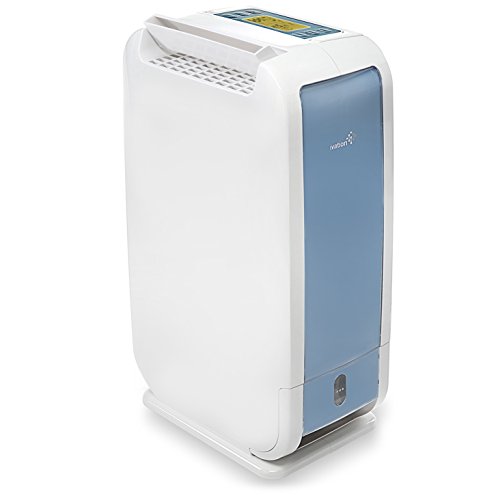
- Desiccant dehumidifier for laundry room
- Dryer vent cleaning kit with flexible brush
- Dryer vent cleaning brush long reach
- Lint screen cleaning brush for clothes dryer
- Dryer lint trap brush tool
- White vinegar and baking soda (household supplies)
- Microfiber cloths or old towels


Before You Start
Before tackling the odor, ensure the dryer is unplugged and cooled. Move the appliance a safe distance from the wall to access vents. Safety cautions: never disassemble electrical components yourself, and avoid using excessive water on electrical parts.
Time estimates: 30–60 minutes for initial cleaning, plus ongoing humidity control in the laundry room. If mold is detected behind the drum or inside ducts, consider professional service.
Step-By-Step: How To Get Rid Of Musty Smell In Dryer
- Empty the lint screen and lint trap. Wipe the area with a damp cloth to remove residue, then dry thoroughly.
- Run a hot dry cycle with a cleaning solution. Place a mixture of equal parts white vinegar and water or a paste of baking soda and water inside the drum. Run a full heat cycle with no clothes to disinfect and deodorize.
- Wipe interior surfaces. After the cycle, wipe the drum, door seal, and front/back panels with a microfiber cloth dampened with vinegar solution. Dry with a clean towel.
- Clean the lint filter housing. Use a lint screen cleaning brush for clothes dryer to loosen debris around the filter housing and vent opening. Remove loosened lint with a brush or vacuum.
- Inspect and clean the vent ducts. Use a dryer vent cleaning kit with flexible brush or a long reach brush to navigate from the dryer exterior to the main vent. Remove lint in stages, working from the dryer outward.
- Reconnect and test airflow. After brushing the ducts, run a short, empty high-heat cycle to verify strong air movement. Listen for reduced vent resistance and ensure warm air exits the exterior vent.
- Use baking soda as a continuous deodorizer. Place an open container of baking soda in the laundry room or a desiccant dehumidifier nearby to absorb excess moisture that can cause odor.
- Clean the drum seal and interior. Inspect door gasket and gasket seam for mold or residue. Wipe with vinegar solution and dry.
- Monitor humidity in the room. If the musty smell recurs, keep the dehumidifier running longer and check for leaks or damp storage areas nearby.
- Schedule regular maintenance. Create a monthly routine: lint screen cleaning, vent brushing, and humidity control to prevent future odors.
Troubleshooting
| Symptom | Likely Cause | Fix | Prevention |
|---|---|---|---|
| Musty odor after cycles | Moisture buildup in drum or ducts | Clean drum, vent, and use dehumidifier | Keep area dry, run ventilation after laundry |
| Weak airflow from vent | Lint clog in ducts | Use vent cleaning brush long reach to clear | Regular vent maintenance |
| Smell when door opens | Mold in gasket or drum | Clean seals with vinegar solution; dry thoroughly | Dry clothes promptly; avoid damp storage |
| Lingering odors after cleaning | Residual humidity in laundry room | Deploy desiccant dehumidifier; air circulation | Proper room ventilation |
Common Mistakes
- Using too much water or cleaning solutions inside the dryer drum, which can harm electrical components.
- Neglecting the dryer vent; lint buildup is a major odor and fire risk.
- Relying on deodorizing products without addressing moisture sources.
- Forgetting to clean the lint trap housing and seals where mold can hide.
Tips For Best Results
- Always run a hot cycle with no clothes after cleaning to dry lingering moisture.
- Pair vent cleaning with a monthly lint screen check to maintain airflow.
- Place a desiccant in the laundry room to sustainably reduce humidity and musty odors.
- Schedule seasonal dryer maintenance, especially after humid seasons.
Call A Professional
If there is persistent mold behind the drum, persistent odor after vent cleaning, or signs of standing water, contact a licensed appliance technician. Stop using the dryer if you notice discoloration, unusual noises, or heat generation not related to normal operation.
FAQ
Why does my dryer smell musty even after cleaning?
Residual moisture and hidden mold in vents or seals can cause odors to linger; comprehensive vent brushing and humidity control help remove the source.
How often should I clean the dryer vent?
Preferably every 6–12 months, or sooner if you notice reduced airflow or a musty smell.
Can I use bleach to clean the dryer interior?
Bleach can damage rubber seals; use a vinegar solution or baking soda paste for safe, effective cleaning.
Is a dehumidifier in the laundry room enough to prevent odors?
Yes, combined with regular vent and lint maintenance, a dehumidifier reduces moisture that fuels odor buildup.
What should I do if mold is visible behind the drum?
Stop using the dryer and contact a professional for mold remediation and internal inspection.
Are dryer vent cleaning kits safe for DIY use?
Yes, when used according to instructions; ensure power is off and the vent is accessible without forcing brushes or damaging components.
Buying Guide
Choosing accessories and solutions for eliminating dryer musty smells involves considering size, efficiency, and practicality. The following factors help American users compare options and pick the right tools and accessories.
- Vent cleaning tools—look for kits with a flexible brush and long reach to navigate tight ducts. Compatibility with standard vent sizes is helpful for most homes.
- Lint screen tools—select brushes designed specifically for lint traps and housing to maximize debris removal without damaging seals.
- Desiccants and humidity control—desiccant dehumidifiers designed for laundry rooms can significantly reduce moisture that causes musty odors.
- Noise and energy use—manual tools are low-energy; powered vent cleaning tools should be evaluated for noise if installed in tight spaces.
- Ease of use—look for tools with extendable handles and simple attachments for quick maintenance sessions.
- Safety—avoid tools that require electrical contact within the vent area; unplug appliances before cleaning and follow manufacturer instructions.
- Placement considerations—keep the laundry area well-ventilated and place a dehumidifier where it has easy access to ducts with a clear airflow path.
By combining these factors, homeowners can reduce musty odors effectively and maintain a fresh laundry environment. If odors persist after these steps, consulting a professional ensures there are no hidden issues inside the system.