Musty odors in a vehicle can linger from mold, moisture, or spilled liquids. A systematic cleaning approach helps restore fresh air and prevent recurrence. This guide outlines practical steps and tools commonly used in American households and cars to combat musty smells in vehicles.
Quick Answer
Quick fix: start with a thorough interior clean, targeted odor treatment, and a safe, mechanical refresh. Use an airtight duct or ozone-based odor remover for quick deodorizing, followed by ongoing prevention with a carbon filter or purifier. If odors persist after a full cleaning, consider professional sanitation.
What You’ll Need
- Car ozone generator odor removal for car use
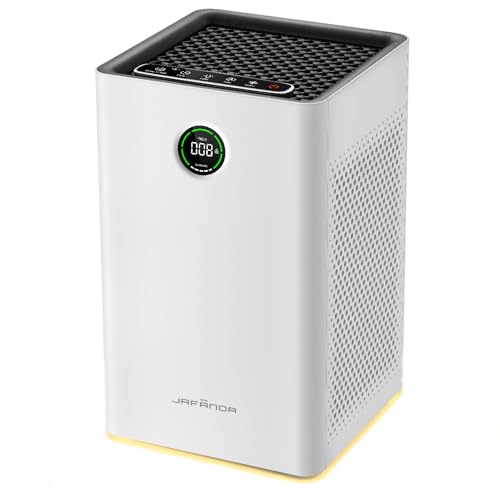
- Car air purifier HEPA activated carbon musty smell
- Enzyme cleaner for car upholstery odor removal
- Car interior UV sanitizer wand
- Activated charcoal car odor absorber
- Microfiber cloths, brushes, and a vacuum with attachments
- Bucket of warm water and mild soap or automotive cleaner


Before You Start
Before tackling the odor, ventilate the car by opening doors or windows for several minutes. Move items out of the cabin to prevent cross-contamination. Check for sources of moisture, such as leaks, wet carpets, or damp upholstery, and address them first. Plan for a multi-step process that may take several hours or be spread over a weekend. Safety note: follow all product labels, keep electrical devices away from water, and use appropriate PPE when handling chemicals or UV devices.
Step-By-Step: How To Get Rid Of Musty Smell In Car
- Remove all loose items from the cabin and vacuum thoroughly, including seats, carpets, and trunk mats. Use a crevice tool to reach seams where mold may hide.
- Address moisture by inspecting for leaks and drying wet areas with towels and a portable heater or dehumidifier. If carpets are saturated, consider removing and drying them in a sunny area.
- Apply enzyme cleaner for car upholstery odor removal to fabric surfaces. Work the cleaner into the upholstery and allow it to dwell per label instructions before blotting up excess moisture.
- Treat with activated charcoal or an activated charcoal car odor absorber. Place sachets or absorbers in the footwells, under seats, and in the cargo area to capture lingering volatile compounds.
- Use a car air purifier HEPA activated carbon musty smell device to filter air while driving or during storage. Replace filters as recommended by the manufacturer.
- Consider ozone or UV-based treatment if odors persist after cleaning. Use a car ozone generator odor removal for car use in unoccupied vehicle spaces and follow safety guidelines. Alternatively, a car interior UV sanitizer wand can disinfect surfaces, reducing microbial sources of odor.
- Re-scan for odors after treatment. If smell remains, repeat cleaning steps or target specific areas like the headliner, door panels, and ventilation ducts.
- Maintain ongoing prevention by leaving a small charcoal pouch in the cabin and running the purifier on low when the car is parked in humid areas.
- Final inspection check for residual moisture, verify no chemical residue on surfaces, and ensure ventilation system smells fresh when tested on high airflow settings.
- Document findings note any recurring moisture or odor issues for future maintenance or professional assessment.
Troubleshooting
| Symptom | Likely Cause | Fix | Prevention |
|---|---|---|---|
| Persistent musty odor after cleaning | Hidden moisture or mold in upholstery | Re-clean with enzyme cleaner, treat hidden damp areas | Regularly inspect for leaks, dry thoroughly |
| Odor returns after rain | Wet floor mats or carpets | Replace or thoroughly dry mats; use dehumidifier | Keep mats dry, use moisture-absorbing products |
| Air vents smell metallic or dirty | Dirty HVAC components | Clean vents with UV treatment or purifier combined with cleaning | Run purifier and change cabin air filter as needed |
| Odor only in trunk or cargo area | Spilled liquids or damp fabrics | Deep clean trunk, remove moisture, treat fabrics | Store dry items and use odor absorbers |
| Allergen-like reaction when smelling cabin | Dust or mold spores | HEPA and activated carbon filters, thorough cleaning | Regular maintenance and air quality monitoring |
Common Mistakes
- Relying on a single spray deodorizer without addressing moisture sources
- Using cleaners that leave residual smells or residue on fabrics
- Neglecting the ventilation ducts and HVAC components
- Overlooking hidden damp areas under mats and in seat seams
- Operating ozone devices in a occupied vehicle or without following safety guidelines
Tips For Best Results
- Do a two-phase cleaning: physical removal of residues followed by chemical deodorizing. This helps prevent odor rebound.
- Combine products thoughtfully: enzymatic cleaners for fabrics and an activated charcoal absorber for continuing odor control.
- Ventilate during and after treatment to maximize drying and reduce chemical exposure.
- Schedule regular maintenance checks for moisture and air quality, especially in humid regions.
- Label and separate treated areas to monitor effectiveness over several days.
Call A Professional
Seek professional help if the musty odor persists after comprehensive cleaning, if there is visible mold growth, or if there are persistent leaks or ceiling/water intrusion. Signs to contact a pro include ongoing dampness, musty smells in the HVAC system, or structural water damage that requires remediation.
FAQ
What causes a car to smell musty?
Musty odors are often caused by mold or mildew growth due to moisture from leaks, condensation, or damp upholstery.
Can I use an ozone generator indoors in a car?
Ozone generators are effective but must be used only in unoccupied vehicles according to safety instructions to avoid health risks.
How long does it take to remove a musty smell?
Results vary; initial improvements can occur within hours, but a deep clean plus dehumidification may take 24–72 hours depending on moisture levels.
Is UV treatment safe for car interiors?
When used as directed, UV sanitizers can help reduce microbial sources of odor, but they should not be aimed at skin or eyes and should be used with proper protection.
How can I prevent odors after cleaning?
Keep the cabin dry, use activated charcoal absorbers, replace filters as recommended, and run air purifiers regularly to maintain air quality.
Buying Guide
When choosing odor-removal products for a car, consider size, noise, energy use, and placement. Size should fit under seats or in the trunk without hindering operation of pedals or controls. Noise level matters for in-car use; look for quiet operation to avoid driver distraction. Energy efficiency affects how long you can run devices between charges or trips. Controls should be intuitive, with clear settings for intensity and duration. For placement, position odor absorbers away from direct sunlight and heat sources to maximize lifespan. For a comprehensive approach, use a combination of a car ozone generator odor removal for car use for quick deodorizing, a car air purifier HEPA activated carbon musty smell for ongoing filtration, and an activated charcoal car odor absorber for continuous odor control. If the car interior has persistent odors, add an enzyme cleaner for car upholstery odor removal as part of a routine cleaning schedule. Always follow product instructions and safety guidelines for optimal results.