Introduction
Musty odors in bathrooms often come from moisture buildup, mold, or mildew. With a few practical steps and the right tools, you can freshen the space, improve air quality, and prevent recurrence. This guide presents a practical, American-focused approach using common products and routines.
By following a structured plan that addresses moisture, airflow, and surface cleaning, you can reduce odors quickly and maintain a cleaner, healthier bathroom environment.
Quick Answer
Start with moisture control: run a bathroom exhaust fan with humidity sensing or use a portable dehumidifier to reduce humidity to under 50%. Then clean mold-prone areas with a mildew remover and scrub brush kit, and refresh air with an activated carbon purifier. Regular maintenance keeps odors from returning.
What You’ll Need
- Portable bathroom dehumidifier 30 pint per day
- Calcium chloride moisture absorber bathroom
- Bathroom exhaust fan with humidity sensor
- Bathroom HEPA air purifier with activated carbon
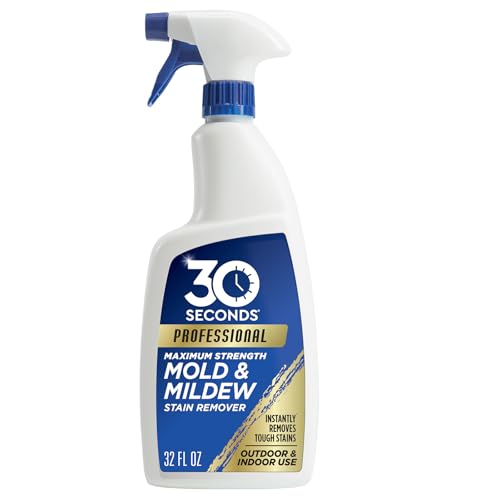
- Mildew remover spray scrub brush kit
- Cleaning cloths and protective gloves


Before You Start
Assess moisture sources: shower stalls, grout lines, and under-sink cabinets can harbor mildew. Ventilate the room during cleaning and wear gloves to protect skin. Clear surfaces to spot mold growth and identify hidden damp zones. Time estimates vary by room size, but plan for 1–3 hours for a thorough initial reset with follow-up maintenance weekly.
Safety notes: never mix cleaners unless the product instructions allow it. If you notice persistent dampness or visible mold spreading beyond grout lines, consider professional help to avoid health risks.
Step-By-Step: How To Remove Musty Smell From The Bathroom
- Turn on the bathroom exhaust fan or start the portable dehumidifier to begin lowering humidity.
- Remove towels, rugs, and any damp items; launder or air-dry them in a dry space.
- Spray mildew remover on shower grout, caulk, and any mold-prone surfaces; let it sit per product directions.
- Scrub with a dedicated brush kit, focusing on tile grout, corners, and around fixtures.
- Wipe surfaces with a fresh cleaning cloth; dry thoroughly to prevent new mold growth.
- Place calcium chloride moisture absorbers in cabinet corners or near the toilet to reduce residual humidity.
- Replace or clean the air filter in the HEPA purifier and run it with activated carbon to neutralize odors.
- Keep the exhaust fan running for at least 15–30 minutes after showers; consider increasing run time during humid days.
- Inspect seals around doors and windows; reseal any gaps to reduce moisture intrusion from other areas.
- Schedule a weekly maintenance routine: quick wipe-down, humidity check, and odor neutralization steps.
- Document any recurring odor spots to tailor future cleaning (grout areas often need extra attention).
- Consider a routine refresh every season to keep the bathroom smelling fresh year-round.
Troubleshooting
| Symptom | Likely Cause | Fix | Prevention |
|---|---|---|---|
| Persistent musty odor after cleaning | Hidden mold in drywall or behind vanity | Inspect with moisture meter; hire pro if needed | Improve ventilation; seal hidden moisture sources |
| Humid air, slow drying | Inadequate airflow | Increase fan run time; add dehumidifier set to low humidity | Use moisture absorbers in tight spaces |
| Musty odor only after showers | Shower enclosure trapped steam | Seal grout; install water-resistant caulk; ensure proper drainage | Wipe down after use to remove residual moisture |
| Odor returns quickly | Ongoing moisture source | Address leaks; improve ventilation system design | Routine checks and prompt cleaning |
Common Mistakes
- Relying on one solution (e.g., only a purifier) without controlling moisture
- Overlooking hidden damp areas like under sinks or behind toilets
- Using harsh cleaners that leave residues and worsen odors
- Skipping regular maintenance after initial cleaning
Tips For Best Results
- Run the exhaust fan during and after showers, or keep a dehumidifier active during peak humidity months.
- Place odor absorbers in the cabinet spaces where moisture tends to collect.
- Keep bathroom doors slightly open when possible to promote air exchange.
- Choose a purifier with activated carbon to capture odors beyond dust and allergens.
- Schedule quarterly deep cleans focusing on grout lines and caulked seams.
Call A Professional
Stop signs for professional help include persistent dampness after moisture control, visible mold growth spreading beyond tiles or grout, water stains indicating leaks, or health concerns like recurring respiratory symptoms. If mitigation steps do not reduce odors within a reasonable timeframe, contact a licensed contractor or mold remediation expert.
FAQ
How can I tell if the smell is truly musty or just from cleaning products?
Musty odors are typically damp, earthy, and persistent, often worse in humid conditions, while fresh cleaning scents dissipate quickly after airing out.
Will a HEPA air purifier remove mold smells?
Yes, especially models with activated carbon, but purifiers do not replace moisture control; they complement airflow and cleaning.
How often should I run a bathroom dehumidifier?
During damp seasons or after showers, run it for several hours daily or as needed to maintain humidity below 50%.
Is it safe to use bleach for mold on grout?
Bleach can be effective on non-porous surfaces but may damage surrounding grout and cause fumes; follow product instructions and consider milder alternatives for porous surfaces.
Buying Guide
When choosing moisture management products for a bathroom, consider size, noise level, energy efficiency, controls, and placement.
- <bSize and capacity: Select a portable dehumidifier with sufficient pint-per-day capacity for the room size; bathrooms are often small, but high humidity can require robust units.
- <bNoise level: Look for models labeled quiet or with low decibels to avoid disturbing routines, especially in small spaces.
- <bEnergy efficiency: Energy Star-rated devices reduce operational costs and are better for continuous use.
- <bControls and sensors: Humidity-sensing features automate moisture control and prevent over-drying or under-drying.
- <bPlacement considerations: Place units where air can circulate freely—away from walls and out of reach of water, and near common odor sources for quicker results.
Compare combinations like a humidity-sensing exhaust fan paired with a purifier for comprehensive air treatment. If the bathroom has limited ventilation options, a compact dehumidifier paired with calcium chloride absorbers can offer noticeable odor reduction between deep cleanings.