Moth flies, also known as drain flies, are small insects that breed in the organic buildup inside pipes and drains. They can become persistent nuisances in bathrooms and kitchens. This guide provides practical, step-by-step methods to reduce adult sightings and eliminate larvae at the source using common home tools and targeted products.
The strategies focus on both immediate control and long-term prevention. By combining mechanical cleaning, enzymatic treatments, and targeted traps, homeowners can address the root causes of moth flies without harsh chemicals or expensive interventions.
Quick Answer
Start with a thorough drain cleaning using an enzymatic cleaner, then deploy a drain fly trap with sticky boards or an electric UV light trap. Maintain regular cleaning and empty traps as needed to prevent reinfestation.
What You’ll Need
- drain fly trap with sticky boards
- moth fly trap bathroom
- enzyme-based drain cleaner for drains
- drain cleaner gel enzymatic cleaner
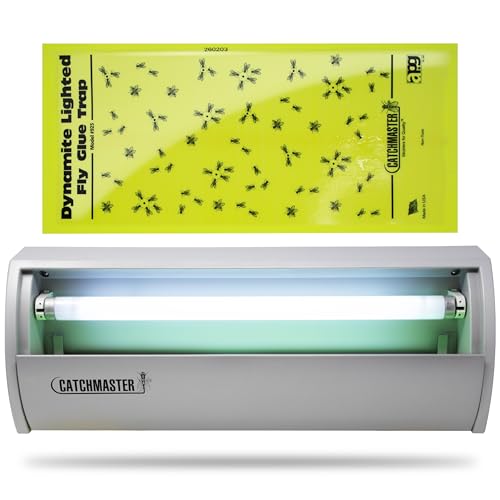
- electric UV light drain fly trap


Before You Start
Assess all potential breeding sites, including bathroom drains, kitchen sinks, and area floor drains. Put on gloves and work in a well-ventilated space. Clear away standing water and wipe down surfaces around affected drains. Time estimates vary by size of the home, but routine treatment can begin within a few hours and may require several days of repeated cleaning for full control. Avoid mixing chemical cleaners with other products unless directed by label instructions, and never rely on a single method for a long period.
Step-By-Step: How To Get Rid Of Moth Flies
- Identify all affected drains by observing where adult moth flies congregate and breed.
- Remove visible organic buildup from drain rims using a disposable brush or sponge; rinse with warm water.
- Pour an enzymatic drain cleaner into each drain to break down organic slime and larvae; follow the product’s dosing instructions.
- Let the enzymatic cleaner sit for the recommended contact time to maximize effectiveness against larvae.
- Run hot water through the drains for 1–2 minutes after treatment to flush debris and reduce residues.
- Place a drain fly trap with sticky boards over or near each affected drain to capture adults and monitor activity.
- Optionally install an electric UV light drain fly trap in bathrooms or near problem drains to reduce adult activity.
- Repeat enzymatic treatments weekly for 2–4 weeks, then switch to maintenance every 4–6 weeks as needed.
- Keep drains clean: avoid leaving standing water, wipe dry drains after use, and address leaks promptly.
- Inspect all traps weekly; replace sticky boards when they become saturated with insects or debris.
- Document progress with photos or notes to track declines in adult sightings over time.
- If activity persists after 4–6 weeks of combined methods, assess hidden drains or plumbing issues and consider consulting a professional.
Troubleshooting
| Symptom | Likely Cause | Fix | Prevention |
|---|---|---|---|
| Many moth flies return after treatment | New breeding source or untreated drains | Treat all drains with enzymatic cleaner; seal or cap unused drains | Regular maintenance cleaning schedule |
| Traps stop catching flies | Trap saturation or incorrect placement | Replace sticky boards and reposition near the drain | Place traps at multiple entry points |
| Strong drain odor persists | Deep organic buildup in piping | Deep clean with enzymatic cleaner; consider professional camera inspection | Periodic cleaning and less organic residue |
| Water flow is slow in affected drains | Clog or buildup | Use a plunger or enzymatic cleaner to restore flow | Prevent clogs with regular flushing |
Common Mistakes
- Relying on a single method for extended periods without cleaning drains
- Using non-enzyme cleaners that leave residues supporting larvae
- Neglecting drains beyond the bathroom, such as kitchen sinks or laundry areas
- Ignoring valves, traps, or other plumbing features that can harbor larvae
Tips For Best Results
- Schedule enzymatic cleaners for maintenance every few weeks to disrupt the life cycle.
- Employ multiple control methods simultaneously for faster suppression.
- Keep a clean, dry environment around all drains to reduce breeding opportunities.
- Label and organize product use to ensure proper dosing and timing.
- Inspect and clean traps regularly; replace them when saturated with insects.
Call A Professional
Consider contacting a plumber or pest professional if:
- Drainage problems persist after 6–8 weeks of combined treatment
- Multiple plumbing fixtures are affected simultaneously
- There is suspicion of a hidden leak, sewer backup, or structural plumbing issue
FAQ
What causes moth flies to appear in bathrooms?
Moth flies breed in organic buildup inside drains, especially where moisture and decaying matter accumulate.
Do enzyme-based cleaners work on drain flies?
Yes, enzyme-based cleaners digest the organic film larvae feed on, reducing breeding sites and larval survival.
How long does it take to see results?
Visible reduction can occur within days, but a full reduction may take weeks with consistent treatment.
Are electric UV light traps effective?
UV light traps can reduce adult activity, but they work best as part of a multi-method approach.
Buying Guide
When choosing products to combat moth flies, consider size of the affected area, severity of infestation, and compatibility with existing plumbing. Key buying factors include:
- Size and scope: For small bathrooms, a single drain fly trap may suffice; larger homes may need multiple devices or a combination approach.
- Noise level: Electric UV light traps vary in noise; look for quiet operation if installed in bedrooms or living spaces.
- Energy efficiency: Enzymatic cleaners use chemical reactions rather than energy; UV traps consume electricity—select energy-efficient models.
- Controls and dosing: Enzymatic cleaners often require dosage and contact time; ensure clear instructions and measured bottles.
- Placement options: Choose traps designed for under-sink installation or wall-mount placement near suspected drains.
- Maintenance: Consider how easy it is to replace sticky boards, empty reservoirs, or service the device.
- Compatibility: Ensure cleaners and traps are safe for the materials in your plumbing and bathroom surfaces.
Balanced purchasing combines enzymatic cleaners for ongoing maintenance with physical traps for immediate control. Think about pairing a drain fly trap with sticky boards or a electric UV light drain fly trap with regular drain cleaning for best results. If you want to address multiple drains efficiently, look for kits or bundles that cover all affected fixtures.