Moss can quickly take over a lawn, especially in damp, compacted, or acidic soil conditions. A healthy, dense turf often crowds moss out, but achieving that balance requires a blend of lawn care techniques. This guide covers practical steps to reduce moss and promote robust grass growth in American yards.
By combining soil health improvements, proper aeration, dethatching, targeted moss control, and overseeding, homeowners can restore lawn vigor without resorting to drastic measures. The methods below emphasize accessibility, safety, and effective use of common lawn tools and products.
Quick Answer
Assess soil and shade: test soil pH and identify areas of poor drainage or persistent shade. Improve drainage and pH, then dethatch and aerate. Target moss with appropriate moss control, and finally overseed with a high-quality grass mix.
Key steps in brief: dethatch and aerate, apply moss control, reseed, and maintain regular mowing and irrigation to reduce moss recurrence.
What You’ll Need
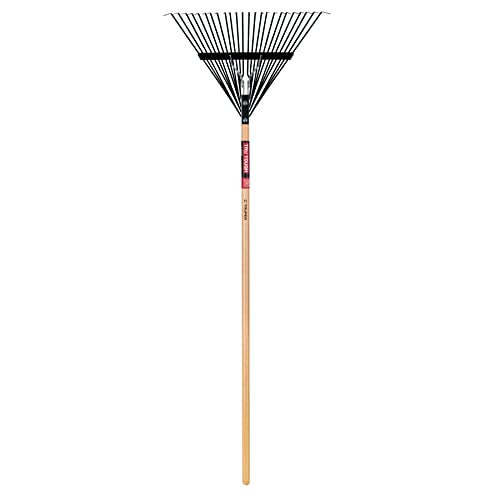
- 18 inch lawn dethatcher rake metal tines for removing thatch and moss crowns
- 24 inch heavy duty thatching rake with steel tines for deeper thatch removal
- Lawn aerator spike shoes for lawn to loosen compacted soil in high-traffic areas
- Adjustable broadcast seed spreader for overseeding lawns to evenly distribute grass seed
- 2 gallon pump sprayer for moss control iron sulfate application to target moss patches


Before You Start
Prepare the outdoor workspace by removing debris and pets or children from the area. Inspect tools for damage and ensure safety gear such as gloves and eye protection are ready. A soil test helps determine pH and nutrient needs; adjust lime or sulfur as recommended to bring soil toward a neutral pH for most cool-season grasses. Plan to work on dry days with soil that is not waterlogged, as wet conditions can spread moss and hinder dethatching.
Critical cautions: never over-saturate moss control solutions; follow label directions precisely to protect landscape plants. Wear protective clothing when applying iron sulfate to avoid staining and skin irritation. Time the work to occur during your grass’s active growing period for best seed germination and recovery.
Step-By-Step: How To Rid Moss And Grow Grass
- Conduct a soil test and adjust pH to the recommended range for your grass type, typically slightly acidic to neutral for many cool-season grasses.
- Rake away loose moss with the 18 inch lawn dethatcher rake to reveal compacted soil and exposed soil patches.
- Walk with lawn aerator spike shoes across high-traffic zones to relieve compaction and improve water and nutrient penetration.
- Apply iron sulfate moss control using the 2 gallon pump sprayer, focusing on moss patches and avoiding excessive coverage on desired grass.
- Water lightly after treatment and allow the moss control product to work before dethatching again if needed.
- reseed bare spots with the adjustable broadcast seed spreader to ensure even distribution of new grass seed.
- Use a light top-dressing or compost to protect young seedlings and improve soil surface.
- Keep soil consistently moist (not soggy) during germination and establish a regular mowing schedule once grass reaches mowing height.
- Monitor for moss reoccurrence after a few weeks and repeat light dethatching or moss control as necessary.
- Maintain lawn health with balanced fertilizer, proper mowing height, and adequate irrigation to discourage future moss growth.
- Seasonally adjust care: in shady areas consider selecting shade-tolerant grass varieties and pruning to increase light exposure.
- Document results and adjust maintenance routines to sustain a robust, moss-resistant lawn over time.
Troubleshooting
| Symptom | Likely Cause | Fix | Prevention |
|---|---|---|---|
| Persistent moss after treatment | Poor drainage or low pH | Address drainage and recheck soil pH | Improve soil structure; aerate regularly |
| Patchy germination | Compacted soil or improper seed depth | Lightly rake and reseed at recommended depth | Keep seedbed moist and protect from heavy traffic |
| New grass thinning quickly | Under or over-watering; nutrient imbalance | Set appropriate irrigation and fertilization plan | Use soil test guidance for balanced nutrients |
| Reappearance after mowing | Shade or poor air circulation | Prune surrounding trees; improve airflow | Choose shade-tolerant varieties if needed |
Common Mistakes
- Over-applying iron sulfate can damage existing grass and stain surfaces
- Waiting too long to reseed bare spots after dethatching
- Mowing too low, which stresses new seedlings and encourages weed encroachment
- Aberrant watering schedules that keep soil soggy or dry during germination
Tips For Best Results
- Time dethatching and moss control for optimal grass growth in the early spring or fall, depending on your region
- Pair moss control with a soil amendment plan based on test results to promote long-term health
- Use a seed mix well-suited to your climate and sun exposure for faster establishment
- Keep a uniform mowing height to prevent scalping and stress on young grass
Call A Professional
Consider professional help if moss covers large areas, soil is severely compacted, or drainage issues persist after basic remediation. Signs to contact a pro include standing water in lawn depressions, persistent moss despite treatment, or if you are uncertain about selecting the right seed mix or adjusting pH safely. A lawn care technician can perform a soil test, diagnose drainage problems, and tailor a maintenance plan.
FAQ
Can moss be removed without reseeding?
Yes, but reseeding often yields the best long-term results to crowd out moss and restore turf density.
When is the best time to dethatch?
Spring or early fall when grass is actively growing is ideal for dethatching and recovery.
Is iron sulfate safe for pets?
Iron sulfate should be used with caution; follow label directions and keep pets away during application.
How long does overseeding take to establish?
Most new grass emerges within 1–3 weeks, with full establishment after 6–8 weeks under proper care.
Buying Guide
Choosing lawn care tools and products for moss control and grass growth depends on several factors. Consider the size of the yard, the severity of moss, and the soil’s drainage and pH. Look for durable dethatching and overseeding tools that fit your handle and grip preferences, and ensure the seed mix matches your climate and sun exposure. Evaluate moss-control products for surface safety and ease of use, and select an application method that suits your routine.
Key buying factors include size and coverage, noise and maintenance needs, energy efficiency (especially for powered tools), controllability of spread and application, and placement convenience for storage and use. For larger properties, a combination of dethatching rakes and a sturdy seed spreader helps maintain a moss-free lawn with consistent reseeding. For shady or damp areas, choose grass varieties tolerant of low light and high moisture to reduce future moss growth.
Would you like personalized recommendations based on your lawn size, soil type, and climate? A well-chosen kit of dethatching tools, a seed spreader, and a moss-control plan can dramatically improve lawn health with consistent maintenance over time.