Mold in a camper can affect air quality, odors, and the overall comfort of the space. Quick action and a careful cleaning routine can restore a fresh, safe environment. This guide explains practical steps, the right tools, and preventive measures tailored for American campers.
Quick Answer
- Identify mold growth areas and use a mold remover spray for RV interior where needed
- Reduce humidity with a 12V portable dehumidifier for camper or desiccant-based moisture absorbers
- Treat fabrics and carpets with an RV carpet mold cleaner with deodorizer spray
- Test for hidden mold with a mold test kit for travel trailer if odor or moisture persists
- Maintain regular moisture control to prevent recurrence

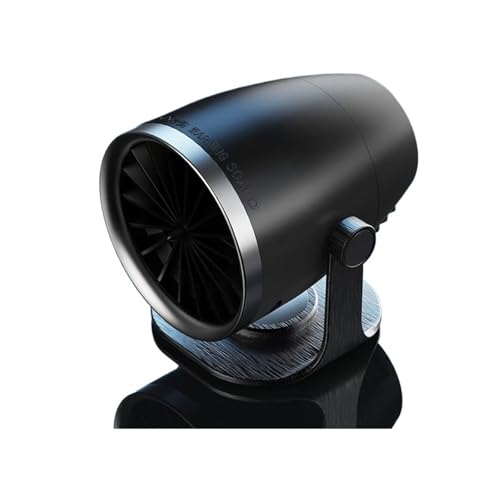

What You’ll Need
- mold remover spray for RV interior
- 12V portable dehumidifier for camper
- RV moisture absorber desiccant packs
- RV carpet mold cleaner with deodorizer spray
- mold test kit for travel trailer
Before You Start
Before beginning, ensure adequate ventilation and safety. Wear gloves, eye protection, and a mask when handling mold and cleaners. Move belongings away from affected areas and open doors or windows to improve airflow. Time spent on cleanup will vary with the extent of growth, typically several hours for initial remediation and longer for heavy cases. A critical caution: never mix cleaning products, especially ammonia with bleach, as fumes can be dangerous. If mold covers large areas (more than 10 square feet) or spreads into HVAC ducts, consider professional assessment.
Step-By-Step: How To Remove Camper Mold
- Inspect all areas for visible mold and note hidden spots behind walls, under cushions, and in closets.
- Ventilate the space and prepare your cleaning zone with towel or drop cloths to catch residue.
- Apply a mold remover spray for RV interior to affected surfaces, following label directions, and let it sit briefly to loosen spores.
- Wipe away loosened mold with a microfiber cloth, then reapply if needed until the surface is clean and dry.
- Use a 12V portable dehumidifier for camper to reduce ambient moisture and speed drying, especially in humid climates.
- Place RV moisture absorber desiccant packs in areas prone to dampness to maintain low humidity between cleanings.
- Treat fabrics and carpeted areas with the RV carpet mold cleaner with deodorizer spray to combat odors and embedded spores.
- Test for remaining mold using the mold test kit for travel trailer; retest after dehumidification and cleaning if odor persists.
- Dry all surfaces completely before replacing cushions, curtains, or bedding to prevent relapse.
- Document affected zones and note maintenance steps to prevent future outbreaks during trips.
- Establish a routine check for moisture and repeat cleaning as needed to maintain a mold-free camper.
Troubleshooting
| Symptom | Likely Cause | Fix | Prevention |
|---|---|---|---|
| Musty odor remains after cleaning | Residual moisture or hidden mold | Re-clean with mold remover spray and recheck hidden spots | Use dehumidifier regularly, keep vents open |
| Visible mold returns within weeks | Repeated humidity cycles | Increase moisture control; consider relocation of moisture absorbers | Address roof leaks or plumbing moisture promptly |
| Discoloration on fabrics | Porous materials absorbed spores | Clean or replace affected fabrics; use deodorizing cleaner | Protect fabrics with moisture barriers |
| Excess moisture during storage | Poor ventilation in confined spaces | Run dehumidifier during storage; store with moisture packs | Schedule seasonal checks and cleaning |
Common Mistakes
- Not addressing hidden mold behind walls or under flooring
- Using improper cleaners or mixing products, causing dangerous fumes
- Ignoring ventilation while treating mold, leading to recontamination
- Rushing drying without confirming surface is dry, enabling regrowth
Tips For Best Results
- Keep a dedicated bag of cleaning supplies in the camper for quick remediation
- Run a 12V portable dehumidifier routinely during camping season in damp climates
- Check roof seals and windows for leaks after heavy rains to prevent moisture ingress
- Choose deodorizing cleaners to reduce lingering odors after mold removal
- Test for mold periodically if the camper is stored for extended periods
Call A Professional
Seek professional help if any of the following apply: mold covering a large area (typically more than 10 square feet), persistent growth despite cleaning, growth in HVAC ducts, or if individuals with respiratory conditions are affected. Professional remediation can prevent misdiagnosis and ensure safe, thorough treatment.
FAQ
How can I tell if I have a moisture problem in my camper?
Look for dark spots, musty odors, condensation on surfaces, and damp or swollen materials. Regular moisture checks help catch problems early.
What is the best mold remover for RV interiors?
Choose a product labeled for RV interiors and follow the manufacturer’s instructions for safe use and surface compatibility.
Can desiccant packs replace a dehumidifier?
Desiccant packs help reduce humidity in small spaces, but a 12V portable dehumidifier is more effective for ongoing moisture control in campers.
How often should I test for mold after cleaning?
Test if odor returns or if humidity spikes, or after storage periods. Regular checks support long-term prevention.
Buying Guide
When choosing mold prevention and remediation tools for a camper, consider size, portability, and effectiveness in tight spaces. Key factors include the capacity and energy use of dehumidifiers, the potency and surface compatibility of mold removers, and the reliability of moisture absorbers. A comprehensive kit that covers cleaning, odor control, and moisture management helps maintain a healthy camper interior. Think about how often you camp, climate, and storage practices to tailor your picks.
Key Buying Factors
- Size and portability: Compact, travel-friendly options fit limited camper spaces.
- Noise level: Quiet operation is preferable for overnight use in small cabins.
- Moisture control: Look for a dehumidifier with adjustable settings and low energy use.
- Cleaning efficacy: Choose a mold remover suited for RV surfaces and fabrics.
- Odor control: Deodorizing cleaners help maintain a fresh interior after remediation.
- Placement versatility: Products should fit under sinks, in closets, and in storage compartments.
- Maintenance needs: Desiccant packs require occasional replacement or reactivation.
Would you like recommendations tailored to your camper size and typical climate? I can help map a compact kit that covers cleaning, moisture control, and odor management for your setup.