Mold growth in rental spaces can be a health and safety concern for residents. This practical guide provides steps that align with common apartment policies and emphasizes safe methods for controlling moisture and removing visible mold. Readers will learn how to identify moisture sources, select appropriate tools, and determine when professional help is needed.
Throughout, the focus is on effective, non-invasive methods suitable for apartment living. The guidance prioritizes safety, indoor air quality, and adherence to lease terms while using consumer-grade products designed for home use.
Quick Answer
Act quickly when you notice mold: document water damage, reduce moisture with proper ventilation, and use a mold remediation kit for home apartment along with a moisture meter for mold detection. For large areas or porous materials, hire a professional. Always wear protective gear and follow product instructions.
What You’ll Need
- Mold remediation kit for home apartment
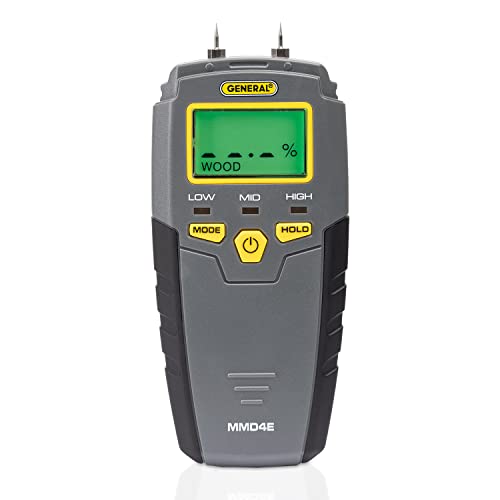
- Moisture meter for mold detection
- Dehumidifier for mold moisture control
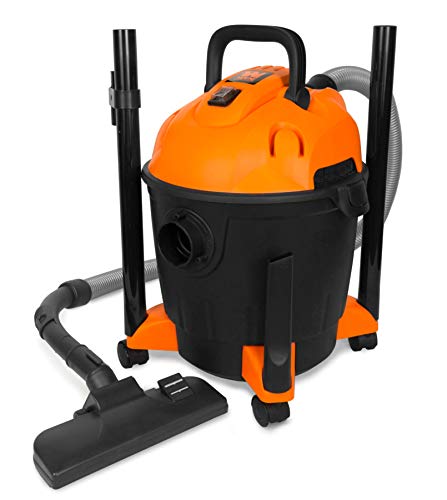
- HEPA vacuum for mold dust cleanup
- Mold scrub brush and scraper set

Before You Start
Before any cleanup, confirm that mold growth is limited to hard, non-porous surfaces or areas you can safely access in the apartment. Check lease requirements and landlord approval for remediation steps beyond basic cleaning. Ventilate the area well and wear protective gear—N95 mask, gloves, and eye protection. Plan to allocate a few hours for small jobs and up to a full day for larger, damp spaces. If mold covers more than 10 square feet or grows into walls, seek professional assistance.
Step-By-Step: How To Get Rid Of Mold In An Apartment
- Document the extent of mold using photos and notes, including suspected moisture sources.
- Identify moisture sources such as leaks, condensation, or poor ventilation and address them first.
- Clear the area and place protective coverings to keep belongings from contamination.
- Use a mold remediation kit for home apartment to treat non-porous surfaces per instructions.
- Wipe surfaces with a recommended mold cleaner and scrub gently with a mold scrub brush and scraper set.
- Rinse and dry surfaces thoroughly; set up a dehumidifier for mold moisture control to reduce humidity.
- Vacuum the area with a HEPA vacuum for mold dust cleanup to capture fine particles.
- Dispose of contaminated materials safely or seal them in plastic bags for removal per guidelines.
- Run the dehumidifier or air conditioner to maintain indoor humidity below 50% after cleanup.
- Recheck the space in 24–48 hours for any new mold growth and repeat if necessary.
- Keep monitoring moisture levels with the moisture meter for mold detection to prevent recurrence.
- Document improvements and communicate findings with the landlord if issues persist.
Troubleshooting
| Symptom | Likely Cause | Fix | Prevention |
|---|---|---|---|
| Musty odor persists after cleaning | Hidden moisture or hidden mold | Inspect behind walls; use moisture meter to locate damp zones | Improve ventilation and fix leaks promptly |
| Rapid mold return in same area | Ongoing moisture source | Address venting, insulation, or drainage issues | Control humidity and dry damp surfaces quickly |
| discoloration on paint or wallpaper | Moisture penetrating porous materials | Remove and replace affected sections if porous | Seal and sealant management; monitor humidity |
| Allergies worsen after cleanup | Residual dust or mold spores | Re-clean with HEPA vacuum and fresh cleaners | Isolate the area during cleanup; use air purifier |
Common Mistakes
- Using bleach on porous materials like drywall or wood, which may not fully remove mold or could cause damage.
- Overlooking hidden moisture sources such as roof leaks or plumbing failures.
- Ignoring landlord guidelines or failing to obtain necessary permissions before remediation.
- Rubbing vigorously on porous surfaces, spreading mold spores rather than removing them.
Tips For Best Results
- Always wear protective equipment to avoid inhaling mold spores during cleaning.
- Work from top to bottom to prevent spores from falling onto cleaned areas.
- Use a dehumidifier for mold moisture control in damp spaces to maintain safe humidity levels.
- Keep windows slightly open or use fans to improve air circulation and dry time.
- Label cleanup areas and keep non-essential items away during remediation.
Call A Professional
Consider professional help if mold growth covers a large area, involves porous materials like drywall or carpet, or if you have underlying health concerns. Stop cleaning and contact a pro if you notice widespread staining, persistent odors, or recurring moisture problems despite remediation efforts.
FAQ
Is mold in an apartment dangerous to health?
Yes, mold can trigger allergies, asthma symptoms, and other respiratory issues, especially for sensitive individuals.
Can I use household cleaners to remove mold by myself?
For small, non-porous areas, consumer cleaners can help. Follow product instructions and wear protection.
What should I do if mold returns after cleaning?
Identify and fix the moisture source, re-clean with proper products, and consider a professional assessment if it recurs.
How long does it take to remove mold from an apartment?
Time varies by area and materials; small spots may take a few hours, while larger jobs may span several days with proper drying time.
Buying Guide
When choosing tools and products for mold management in an apartment, consider size, noise, energy use, and placement. A compact dehumidifier for mold moisture control should fit the space without being disruptive to neighbors. For air cleanliness, select a portable unit with a HEPA vacuum for mold dust cleanup compatibility and an effective filtration system. A reliable moisture meter for mold detection helps pinpoint damp areas before remediation. For direct cleaning, opt for a mold remediation kit for home apartment paired with a mold scrub brush and scraper set to manage grime on solid surfaces. Avoid heavy machinery in small rooms and ensure replacement parts and filters are readily accessible. Finally, evaluate energy efficiency and noise levels to minimize long-term impact on living conditions while staying compliant with lease terms. Do you need a compact kit that travels well between rooms, or a larger system that handles multiple spaces in the unit?