Mildew on clothing is a common issue in humid environments or after longer storage. This guide provides actionable steps to remove mildew, prevent future growth, and keep fabrics fresh using safe household methods and readily available products.
Quick Answer
Act quickly when mildew is spotted. Treat affected areas with a proven stain remover or enzyme-based fabric cleaner, then wash with an appropriate sanitizer or oxygen bleach to kill spores. Dry thoroughly in a sunny, well-ventilated area or use high heat to ensure complete elimination.
What You’ll Need
- Garment steamer for mildew removal on clothes
- Oxygen bleach powder mildew stain remover for laundry
- Mildew stain remover spray for fabrics
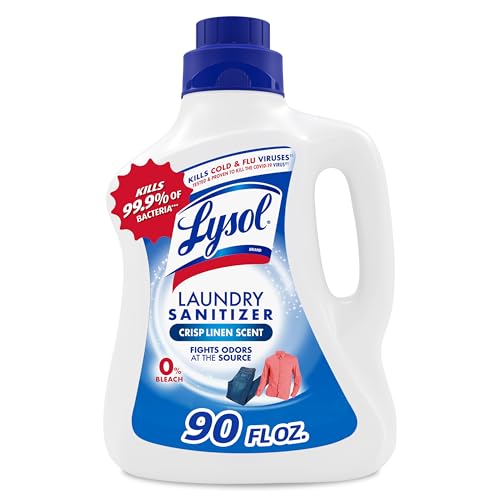
- Laundry sanitizer for mildew and odor control fabrics
- Fabric cleaner with enzyme for mold mildew on clothes


Before You Start
Assess fabric type and care labels before applying cleaners. Some products can bleach or fade colors, while others may be too harsh for delicate fabrics. Work in a well-ventilated area and wear gloves if you have sensitive skin. Trim mildew by brushing off loose spores in a ventilated space. Time estimates vary: spotting and pre-treating may take 15–30 minutes, while complete removal and washing could require 1–2 cycles.
Caution: Do not mix cleaning agents, especially chlorine bleach with ammonia or vinegar, as dangerous fumes can form. If you have a history of allergies or asthma, consider professional cleaning for severe mildew growth.
Step-By-Step: How To Get Rid Of Mildew On Clothes
- Identify all mildew-affected areas by inspecting seams, collars, and cuffs for gray or black spots.
- Pre-treat with a mildew stain remover spray for fabrics, targeting the most stained areas and letting it sit for 5–10 minutes.
- Apply an enzyme-based fabric cleaner for mold mildew on clothes to break down organic buildup on fibers.
- For persistent spots, mix a solution of oxygen bleach powder mildew stain remover per label directions and apply to the stain, avoiding overly saturated areas.
- Wash the garment in the hottest water allowed by the care label using a laundry sanitizer for mildew and odor control fabrics to kill remaining spores.
- After washing, inspect the item before drying. If any mildew remains, repeat the pre-treat and wash cycle.
- Dry the clothes thoroughly. Use a sunny outdoor line if possible, or a dryer on the highest safe heat setting recommended for the fabric.
- Store clean garments in a dry, ventilated area to prevent future mildew growth.
- For items prone to recurring mildew, consider periodic treatment with a fabric cleaner with enzyme and regular use of a laundry sanitizer during washing.
- If the smell or staining persists after multiple attempts, move to professional cleaning to avoid fiber damage.
Troubleshooting
| Symptom | Likely Cause | Fix | Prevention |
|---|---|---|---|
| Remaining spots after washing | Hidden or set-in mildew | Re-treat with enzyme cleaner and oxygen bleach, then rewash | Pre-treat early; wash promptly after moisture exposure |
| Persistent odor | Moisture trapped in fabric | Run through another sanitizer cycle; add extra rinse | Dry completely; store in dry areas |
| Color fading after treatment | Harsh chemical exposure | Switch to gentler cleaner and shorter dwell time | Test on inconspicuous area first |
| Fibers feel stiff | Over-washing or harsh cleaners | Use fabric softener or a rinse with mild detergent | Avoid overuse of strong cleaners on delicate fabrics |
Common Mistakes
- Delaying treatment after spotting mildew, which allows spores to set into fibers
- Using bleach on colored fabrics unless the care label permits it
- Combining incompatible cleaners, which can create hazardous fumes
- Skipping the dry phase, leaving residual moisture that fosters regrowth
- Ignoring delicate fabrics that require gentler cleaning methods
Tips For Best Results
- Always test cleaners on a hidden area of the fabric to check colorfastness
- Pair pre-treatment with a thorough wash for maximum spore kill
- Ventilate the space during cleaning to minimize inhalation of fumes
- Use sun-drying when possible; UV light helps reduce microbial presence
- Consider storing away from damp environments, using moisture absorbers in closets
Call A Professional
Seek professional cleaning if mildew covers a large area, affects delicate or structured garments, or if repeated attempts fail to remove stains and odor. Stop using heat if stains darken or fibers appear damaged. If there is any sign of mold within household fabrics or upholstery, a professional service may be warranted to prevent ongoing contamination.
FAQ
Can I use bleach to remove mildew from colored clothes?
Bleach can damage colors; use oxygen-based or color-safe cleaners according to the care label.
Will mildew return after cleaning?
Yes, if moisture and humidity persist in storage areas, mildew can recur. Ensure thorough drying and better ventilation.
Is washing alone enough to remove mildew spores?
Washing with a sanitizer or enzyme-based cleaner greatly improves spore elimination, especially for porous fabrics.
What fabrics require special care for mildew removal?
Delicates, wool, silk, and knit fabrics may require gentler pre-treatments and cooler wash settings. Always follow the care label.
Buying Guide
Choosing the right products to prevent and remove mildew on clothes involves considering size, effectiveness, and fabric compatibility. The goal is reliable mildew control without damaging fabrics, odors, or colors.
Size and packaging: Select products that suit your typical laundry load. Larger bottles may offer better value for frequent users, while smaller sizes are convenient for occasional use.
Noise level and ease of use: Some tools, like garment steamers, operate quietly and quickly; others may require more time or effort. Look for straightforward instructions and reversible actions when dealing with tough stains.
Energy efficiency: Washing machines and dryers with efficient cycles save energy. If choosing a steam-based approach, confirm the device’s energy use and heat settings align with household needs.
Controls and compatibility: Enzyme-based cleaners and oxygen bleach products should be compatible with your washing machine and fabrics. Check labels for recommended water temperature and fabric type compatibility.
Placement and storage: Store mildew-fighting products in a cool, dry place away from children and pets. Keep cleaning agents away from direct sunlight to preserve efficacy.
When comparing options, consider how well each product targets mildew while protecting fabrics. For households facing frequent humidity or storage challenges, a combination of a fabric cleaner with enzyme, a mildew stain remover spray, and a laundry sanitizer can offer comprehensive protection and cleaning power.