Microwaves can trap cooking smells long after meals are finished. Baking soda offers a simple, effective, and chemistry-friendly way to neutralize odors without harsh chemicals. This guide explains how to use baking soda to freshen your microwave quickly and safely, with practical steps and DIY tips for best results.
Quick Answer
Use baking soda as a deodorizing agent by placing it inside the microwave, either in a bowl or on a tray, and heat briefly. For stubborn odors, repeat with a fresh batch or combine baking soda with a gentle cleaning routine.
What You’ll Need
- baking soda deodorizer for microwave or plain baking soda
- microwave odor absorber baking soda jar or a shallow bowl
- microwave cleaning kit baking soda bowl or a silicone tray
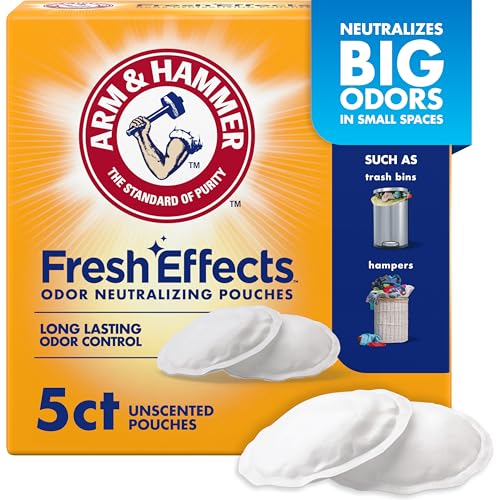
- baking soda packets for microwave odor removal (optional for quick use)
- reusable microwave deodorizing tray baking soda (optional alternative)


Before You Start
Before proceeding, ensure the microwave is unplugged or the appliance is off and cooled. Remove any turned-off, opened, or decorative items from inside. Clear the turntable so you can place baking soda evenly. Safety cautions: avoid heating metal or aluminum foil, and keep children and pets away while you clean. The typical odor-fighting session takes about 5–15 minutes, depending on intensity. If you smell strong, burnt, or chemical odors, stop and inspect for residue or damage on the interior surfaces.
Step-By-Step: How To Use Baking Soda To Deodorize A Microwave
- Remove the turntable and any dishes; wipe the interior with a damp cloth to remove loose debris.
- Pour baking soda into a microwave-safe bowl or shallow dish so the liquid or powder doesn’t spill.
- Fill the bowl with water and add 2–3 tablespoons of baking soda for a mild deodorizing solution.
- Place the bowl in the center of the microwave and run on high for 2–3 minutes, or until a gentle boil and steam form inside.
- Carefully open the door to let the steam soften residues, then use a clean sponge or cloth to wipe the interior walls and ceiling.
- Rinse the cloth and wipe again, removing any remaining baking soda residue from the interior.
- For persistent odors, repeat the process with a fresh baking soda solution or use a dedicated microwave odor absorber baking soda jar set on the turntable.
- Dry the interior with a clean towel, replace the turntable, and leave the microwave door ajar for a few minutes to air out.
- Optional: place a small bowl of dry baking soda on the turntable when not in use to continuously absorb odors, or use a reusable microwave deodorizing tray baking soda to refresh between cleanings.
- Wipe the exterior and control panel with a damp cloth to remove any splashes; avoid abrasive cleaners on glossy finishes.
- If odors persist, consider repeating weekly or monthly, especially after strong-smelling foods like fish or curry.
Troubleshooting
| Symptom | Likely Cause | Fix | Prevention |
|---|---|---|---|
| Smell returns quickly | Residual odors cling to surfaces | Repeat cleaning with baking soda solution | Regularly wipe interiors and use a baking soda tray |
| Steam won’t form | Heating time too short or solution too weak | Increase time to 4–5 minutes and/or add more baking soda | Use fresh baking soda for each session |
| Residue on walls | Too much baking soda or improper wiping | Wipe with a damp cloth, then dry thoroughly | Use minimal baking soda and thorough drying |
| Unpleasant aftertaste on food | Cross-contamination from residue | Clean interior thoroughly and rinse utensils after use | Keep interior dry between uses |
Common Mistakes
- Using metal containers inside the microwave during the deodorizing process
- Overheating liquids or relying on baking soda alone for severe odors
- Not wiping away baking soda residue after treatment
- Neglecting to air out the microwave after cleaning
Tips For Best Results
- For stronger smells, combine baking soda with a splash of white vinegar in the cleaning bowl, then wipe clean after steaming before drying.
- Place a static-free, shallow tray of baking soda on the microwave shelf during idle periods to adsorb new odors.
- Use baking soda packets for microwave odor removal as a quick, disposable option between deeper cleanings.
- Pair baking soda deodorizing with a light wipe-down of the interior after every use to maintain freshness longer.
Call A Professional
Stop and call a professional if the microwave emits smoke, has a burning odor that persists after cleaning, or shows any functional issues like sparking, unusual noises, or loss of heating efficiency. A malfunctioning microwave can pose safety risks or indicate electrical problems that require licensed service.
FAQ
Can baking soda damage the microwave?
No, when used in proper amounts in a microwave-safe bowl and with thorough wiping, baking soda is safe and effective for deodorizing.
How often should I deodorize my microwave?
Deodorizing after strong-smelling meals or once a week in busy kitchens is common; more frequent cleanings prevent odor buildup.
Is it okay to use baking soda directly on surfaces?
Always use a damp cloth to wipe away any baking soda residue and avoid packing powder directly on delicate surfaces.
Can I use hot water with baking soda?
Yes, hot water helps dissolve residues and improves odor neutralization, but ensure you use a microwave-safe container.
What if the odor is not baking-related?
Persistent or chemical odors may indicate residue in hard-to-reach places; consider a thorough internal cleaning or professional inspection.
Are there alternatives to baking soda?
White vinegar or lemon slices can help with scents, but baking soda remains the most effective odor absorber for many users.
Buying Guide
When choosing baking soda-based odor solutions for a microwave, consider size, form, and reusability. For smaller kitchens or apartments, compact baking soda packets and a microwave deodorizing tray offer easy storage and quick use. For households with frequent odor challenges, a microwave odor absorber baking soda jar provides ongoing deodorization, while a reusable baking soda tray minimizes waste. Assess placement options—keep a small tray near the microwave or on a nearby shelf for convenience. Look at compatibility with your microwave’s interior dimensions, the ease of cleaning, and how the solution integrates with your daily cleaning routine. Noise levels aren’t a direct factor here, but quick, silent cycles with minimal cleaning disruption are preferable. Energy efficiency isn’t impacted by baking soda usage, but choosing a simple, low-effort method saves time and effort over repeated sessions. Finally, ensure the packaging and materials are food-safe and free from added chemicals that could transfer odors to food.