Metal odors on jewelry can stem from sweat, oils, environmental exposure, or residue from cleaning products. This guide provides practical, step-by-step methods using common tools to neutralize or remove unpleasant metal smells without damaging pieces. American readers will find safe, DIY approaches for rings, bracelets, necklaces, and metal accessories.
With the right approach, you can refresh jewelry made of silver, gold, stainless steel, and other metals. The key is using gentle cleaners and odor-neutralizing techniques that fit the material. Read on for a practical routine you can apply at home.
Quick Answer
Best quick fix: rinse with mild soap and warm water, dry thoroughly, and use a gentle odor-neutralizing cleaner designed for metal jewelry to break down lingering smells. For tougher odors, an ultrasonic jewelry cleaner kit can safely deep-clean without scrubbing. If the odor persists, a targeted odor remover spray for jewelry is a convenient option.
What You’ll Need
- Ultrasonic jewelry cleaner kit
- Jewelry cleaning solution odor neutralizer for metal
- Stainless steel jewelry cleaning wipes
- Silver and gold jewelry cleaning liquid tarnish remover
- Metal odor remover spray for jewelry


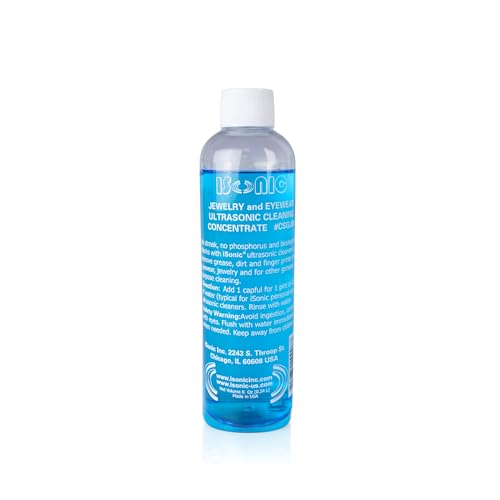
Before You Start
Inspect pieces for loose stones or damaged clasps before cleaning. Work in a well-ventilated area and avoid soaking pieces with glued-on components for an extended period. Test cleaners on inconspicuous areas first to prevent discoloration. Time estimates vary: quick rinses take minutes; ultrasonic cleaning or liquid treatments may require 10–20 minutes plus drying time. Critical cautions include avoiding harsh solvents on porous stones and never using abrasive scrubbing on delicate finishes.
Step-By-Step: How To Remove Metal Odor From Jewelry
- Remove any stones or loose components if possible; keep pieces intact if uncertain about the settings.
- Rinse the jewelry under lukewarm water to loosen surface oils and dust.
- Dip or wipe with a mild jewelry cleaner designed for metal, following the product’s instructions.
- For stubborn odors, run the piece through an ultrasonic jewelry cleaner kit according to the manufacturer’s directions.
- Rinse again with clean water and pat dry with a lint-free cloth to prevent water spots and new odors from forming.
- Apply a targeted jewelry cleaning liquid tarnish remover or odor-neutralizing spray to the metal surfaces, avoiding stones and settings unless specified safe.
- Let the cleaner sit for the recommended time, then rinse and dry completely.
- Wipe with stainless steel jewelry cleaning wipes for a final fresh scent and shine, if appropriate for the metal type.
- Store the jewelry in a dry, ventilated container to minimize moisture buildup and future odor formation.
- Reassess after 24 hours; repeat steps 4–6 only if the odor persists and the piece tolerates repeated treatment.
- Replace worn-out protective coatings or pouches to help maintain cleanliness between wears.
- Consider a routine cleaning schedule to prevent odor buildup, especially for active wearers or pieces exposed to sweat.
Troubleshooting
| Symptom | Likely Cause | Fix | Prevention |
|---|---|---|---|
| Persistent odor after cleaning | Residue trapped in intricate details | Use ultrasonic cleaner or invest time in brushing crevices with a soft brush | Clean regularly; avoid long soaking of porous stones |
| Dull finish after cleaning | Overexposure to harsh cleaner | Switch to gentler solution and reduce exposure time | Test on hidden area first; follow label directions |
| Discoloration on metal | Incompatible cleaner with metal type | Rinse thoroughly and discontinue use; switch to metal-specific cleaner | Know metal composition and use product accordingly |
| Stain around stones | Cleaner contacted stones | Avoid cleaning liquids near settings unless safe for stones | Use stone-safe methods or remove stones before cleaning |
Common Mistakes
- Using abrasive cleaners that scratch metal surfaces and trap odors deeper.
- Over-soaking pieces with glued components that can loosen settings.
- Applying odor removers on stones unless the product is labeled safe for them.
- Skipping drying, which can trap moisture and cause new odors.
Keeping to metal-safe products and following label instructions helps prevent these issues.
Tips For Best Results
- Regular cleaning reduces odor buildup; consider a routine every few weeks for active wear.
- Test any cleaner on a small, inconspicuous area before full application.
- Store jewelry in a dry, airtight container with a silica gel packet to minimize moisture.
- For mixed metal pieces, use cleaners labeled safe for all metals involved to avoid discoloration.
- When using an ultrasonic cleaner, keep a close eye on timing to avoid damage from overexposure.
Call A Professional
Stop and seek professional help if any piece shows loose stones, cracks, or significant discoloration after cleaning. Seek a jeweler’s assessment if odors persist after multiple at-home attempts, or if pieces are antique, valuable, or irregular in finish. If there is any suspicion of metal corrosion or structural damage, do not attempt further DIY cleaning.
FAQ
Can I clean all metals with the same cleaner?
Most cleaners are metal-specific or metal-compatible; always check compatibility with your jewelry’s materials.
Is an ultrasonic cleaner safe for all jewelry?
Ultrasonic cleaners are generally safe for metal pieces but may damage stones, glued components, or delicate finishes; verify suitability before use.
How long should I let a cleaner sit on metal?
Follow the product label; typical times range from a few seconds to several minutes depending on the formula.
Will odor come back after cleaning?
Odor can recur if sweat, oil, or moisture is reintroduced; consider storage improvements and a regular cleaning routine.
What if I don’t have an ultrasonic cleaner?
Manual cleaning with mild cleaner and a soft brush is often sufficient for routine odor removal.
Buying Guide
When choosing products to remove metal odor from jewelry, consider size, noise level, energy efficiency, controls, and placement options for storage. For at-home care, a combination approach often works best: a dedicated odor-neutralizing jewelry cleaner for metal, optional ultrasonic cleaning for tough cases, and odor remover sprays for quick touch-ups between wears. Compare kits based on ease of use, compatibility with metal types, and whether they include wipes or liquids. If you have sensitive skin, look for fragrance-free formulas and testers. Finally, check storage options that keep pieces dry and odor-free between cleanings.