Marker stains can be frustrating, but quick action and the right stain-fighting products can save fabrics. This guide explains practical methods to lift ink from various fabrics and offers safe, step-by-step techniques using common stain-removal tools.
Preserving fabric color and fiber integrity is essential. Before starting, test any treatment on a hidden area to confirm it won’t damage the material. For delicate fabrics, consider professional cleaning if stains persist.
Quick Answer
Act fast to prevent set-in ink. Start with a stain remover pen or spray, then follow with an enzyme laundry stain remover powder for best results. For stubborn traces, consider color-safe bleach or acetone-based options on appropriate fabrics, testing first.
What You’ll Need
- Ink stain remover pen for clothes
- Marker stain remover spray for garments
- Enzyme laundry stain remover powder ink clothes
- Color-safe bleach stain remover for ink on fabric
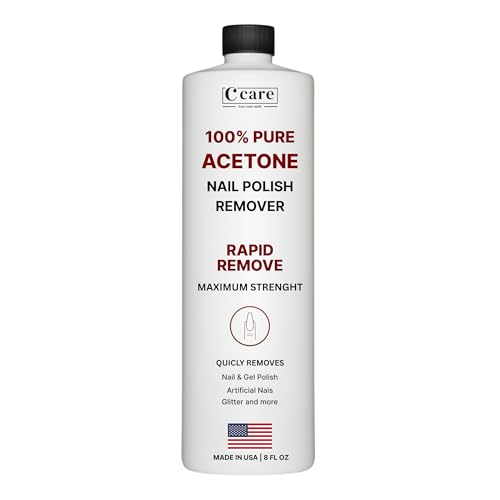
- Acetone nail polish remover fabric ink stain treatment


Before You Start
Check fabric care labels for allowed treatments. Treat fresh stains promptly and avoid heat until stain is removed to prevent setting. Protect surrounding areas with a clean towel or cloth. Caution: Acetone can damage certain synthetics and delicate fibers; perform a patch test on an inconspicuous area first. Time estimate: 15–60 minutes per treat-and-rinse cycle, plus drying time.
Step-By-Step: How To Remove Marker Stains From Clothes
- Gently blot excess marker with a clean cloth or paper towel to lift surface ink without rubbing deeper into fibers.
- Apply the ink stain remover pen directly to the stained area, following the product’s instructions. Allow it to sit for the recommended dwell time.
- Lightly dab with a damp cloth to lift loosened ink. Do not rub aggressively, which can spread the stain.
- Spray a small amount of marker stain remover spray for garments and blot again to maximize coverage on the stain.
- Rinse the fabric under cold water from the back of the stain to push ink out of the fibers.
- Mix a small amount of enzyme laundry stain remover powder ink clothes with water to form a paste or follow directions for a pretreatment. Apply to the stain and let sit for 10–15 minutes.
- Wash the garment in cold water using a regular cycle with your normal detergent. Check the stain before drying, as heat can set remaining ink.
- If the stain persists, repeat the pretreatment steps, then rewash. For color retention on whites or non-colorfast fabrics, consider a color-safe bleach stain remover for ink on fabric per label directions.
- For ink that responds to solvent action, test a small area with acetone nail polish remover fabric ink stain treatment on non-delicate fabrics. If safe, apply with a cotton swab to the stain and blot until lifted. Rinse thoroughly before laundering again.
- Air dry or tumble dry on low. Inspect the fabric after drying; avoid high heat until the stain is fully removed.
- If needed, repeat any step in smaller increments to prevent fiber damage and maintain fabric color.
Troubleshooting
| Symptom | Likely Cause | Fix | Prevention |
|---|---|---|---|
| Stain remains after first wash | Ink fully set or was not pretreated | Repeat pretreatment with enzyme powder and rewash | Treat quickly; blot rather than rub; avoid heat until removed |
| Fabric color fading after treatment | Harsh solvent or overuse of bleach on color textiles | Switch to color-safe options and use minimal solvent | Test on hidden area first; follow label guidelines |
| Stain spreads during treatment | Rubbing or applying solvent directly without barrier | Work from back to front; blot instead of rub | Use protective cloth beneath fabric |
| Delicate fabrics show damage | Acetone or strong bleach on fibers like acetate or silk | Abandon solvent and opt for enzyme pretreatment only | Always patch test first |
Common Mistakes
- Using hot water or heat before ink is fully removed, which can set stains
- Overlooking a patch test on delicate fabrics
- Applying multiple products simultaneously without testing compatibility
- Rubbing aggressively, spreading ink deeper into fibers
- Using bleach on non-colorfast fabrics or dark colors
Tips For Best Results
- Always start with the mildest treatment and escalate only if needed
- Work from the outside of the stain inward to prevent spreading
- Rinse with cold water after each treatment step to remove residues
- Label-specified dwell times are guidelines; adjust if fabric thickness requires longer soaking
- Keep a stain-removal kit handy for quick response on laundry day
Call A Professional
Consider a professional cleaner if the garment is valuable, delicate, or the stain covers a large area. Stop attempts if:
- The fabric is silk, wool, or another high-maintenance fiber
- Colorfastness is uncertain or the care label prohibits certain chemicals
- The stain remains after multiple, careful treatments
FAQ
Can marker stains be removed from all fabrics?
Most common fabrics respond to standard stain removers, but delicate fibers and colorfastness vary. Always perform a patch test first.
Is acetone safe on colored fabrics?
Acetone can damage some fibers and dyes. Use only on fabrics that tolerate solvents and test a hidden area.
Which product should I use first?
Start with an ink stain remover pen or spray for quick spot treatment, then follow with an enzyme powder for tougher stains.
What if the stain returns after washing?
Reassess the stain, repeat pretreatment, and wash again. Avoid heat until the stain is gone.
Can I dry the garment after treating it?
Drying is best avoided until the stain is fully removed. Air dry as a safe option if you’re unsure.
Buying Guide
When choosing stain removers for marker stains, consider several factors to optimize results across fabrics and colors.
- Size and packaging: Choose a kit that includes pen, spray, and powder formats for flexibility.
- Ink color compatibility: Some products target specific inks; enzyme powders are versatile across many marker formulas.
- Fabric compatibility: Avoid acetone or bleach on delicate materials; prefer color-safe options for vibrant fabrics.
- Heat exposure: Select products suitable for cold-water washing and avoid hot-water pretreatments that may set stains.
- Application method: Pens are convenient for spot removal; sprays help treat larger areas; powders excel as pretreatments.
- Ease of use: Look for clear dwell times and rinse instructions to minimize fabric handling.
- Placement and storage: Store products away from children and heat sources; keep them handy in the laundry area.
Thinking about a practical approach? A combination of a stain remover pen, a spray, and an enzyme powder generally covers most marker stains efficiently. For mixed fabrics or persistent stains, staging the steps with careful testing yields the best balance of safety and cleanliness.