Black fabrics show lint and dust more prominently than other colors, making upkeep essential for a crisp, polished look. This guide explains practical methods to remove lint from black garments, using safe techniques that preserve color, texture, and longevity. Readers will find step-by-step instructions, troubleshooting tips, and buying guidance for tools designed to work specifically with dark fabrics.
Quick Answer
To quickly remove lint from black clothes, use a fresh, high-quality lint roller or a microfiber brush, followed by a gentle brush with a lint remover designed for dark fabrics. For stubborn fuzz on sweaters or cashmere, a fabric shaver or lint remover pen can be effective. Regular maintenance and proper storage help minimize future lint buildup.
What You’ll Need
- Reusable silicone lint roller for black clothes
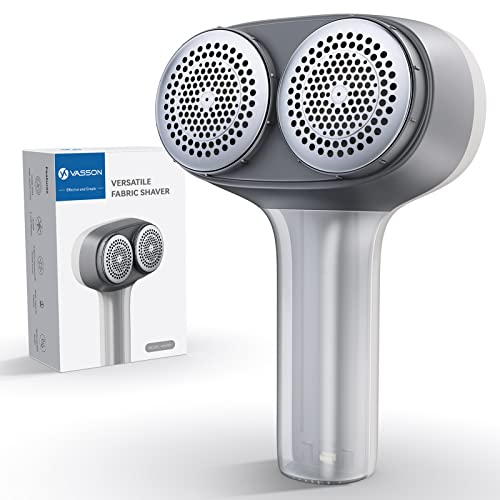
- Fabric shaver cordless lint remover for sweaters
- Handheld lint brush vacuum for dark fabrics
- Microfiber lint remover brush for black garments
- Lint remover pen for cashmere dark fabrics


Before You Start
Check fabric care labels before treating any garment. Test any new tool on an inconspicuous area to ensure no color transfer or surface damage. Work in a well-lit area and exercise patience with delicate knits. For delicate fabrics like cashmere, use the gentlest setting or tool designed for that fabric. Time estimate: 10–20 minutes for a typical wardrobe run; longer for bulky piles or delicate pieces.
Caution: Avoid aggressive pulling or rubbing that can snag fibers. Do not use metal blades on delicate fabrics. Always unplug battery-powered devices when not in use and charge them according to the manufacturer’s instructions.
Step-By-Step: How To Remove Lint From Black Clothes
- Start with a clean workspace and lay the garment flat on a smooth surface.
- Gently brush in one direction using a microfiber lint remover brush for black garments to lift surface lint.
- For larger lint clusters, roll with a reusable silicone lint roller for black clothes, applying even pressure from top to bottom.
- On knitwear or sweaters, use a fabric shaver cordless lint remover for sweaters to remove pilled fibers without cutting the fabric too aggressively.
- Test on a seam or hem to ensure no color transfer occurs with the lint remover pen for cashmere dark fabrics.
- Use a handheld lint brush vacuum for dark fabrics to capture fine dust and fuzz from seams and ribbing.
- Repeat steps across the garment, paying attention to cuffs, collars, and pockets where lint tends to accumulate.
- Finish with a final pass of the microfiber lint remover brush for black garments to lift any remaining residue.
- Inspect under bright light; if fibers remain, repeat treatment on those areas.
- Store lint-removal tools clean and dry to prevent transferring lint onto other pieces.
- When not in use, cover or store garments in garment bags to minimize new lint buildup.
- For especially lint-prone fabrics, consider keeping a dedicated lint-removal tool on each wardrobe rack for quick touch-ups.
Troubleshooting
| Symptom | Likely Cause | Fix | Prevention |
|---|---|---|---|
| Lint returns after treatment | Static cling or loose fibers | Rerun the lint removal tool and consider using a fabric softener sheet lightly during storage | Avoid over-drying; air-dry when possible |
| Fabric pills appear after using a shaver | Over-aggressive shaving on delicate knit | Switch to a gentler setting or a tool designed for delicate surfaces | Shave only when necessary and follow fabric care labels |
| Color transfer or staining | Tool contact with dye or rough material | Test first on a hidden area; use soft brushes and lint rollers | Choose tools with soft, nonabrasive surfaces |
| Lint stays on dark fabrics | Fine fibers嶪 | Switch to a microfiber brush and finish with a lint roller | Store garments properly to reduce airborne dust |
Common Mistakes
- Rushing through a treatment without testing on delicate fabrics
- Using metal blades or sharp blades on knits and cashmere
- Over-drying laundry, which increases static and lint buildup
- Neglecting to remove lint from pockets, seams, and hems
- Relying on a single tool for all fabrics; different materials respond differently
Tips For Best Results
- Keep a dedicated lint tool handy on each wardrobe zone to encourage quick touch-ups.
- Use a slightly damp microfiber cloth to pre-wet stubborn lint; this helps lift fibers more effectively.
- Regular maintenance of your lint tools extends their life; clean rollers and brushes after use.
- When storing dark garments, keep them in breathable containers to reduce static and lint adherence.
- For monthly refreshes of entire wardrobes, run a low-heat tumble with a dryer sheet to reduce static before lint removal.
Call A Professional
Seek professional help if lint-related issues persist after multiple attempts, or if fabric damage is suspected. Stop trying to remove lint if you notice pulled threads, color fading, or fabric thinning, as continuing could worsen the condition. If you are dealing with high-value or delicate items (for example, cashmere sweaters with pills), a professional dry cleaner or alterations specialist can advise on safe lint removal methods or recommend specialized tools.
FAQ
What is the best tool for black clothes lint?
A combination approach with a microfiber lint remover brush and a reusable silicone lint roller is effective for most black fabrics.
Can I use a fabric shaver on cashmere?
Yes, but use the gentlest setting and test first on an inconspicuous area to prevent damage.
How often should I lint my black clothes?
Lint surfaces as needed, especially in dry or dusty environments; balance regular maintenance with gentle care.
Are there dryer-based methods for lint removal?
Yes, a low-heat tumble with a dryer sheet can help reduce static and detach some lint before hand cleaning.
Buying Guide
Choosing the right lint-removal tools for black clothing involves several practical considerations. Size and weight affect ease of use, especially for extended sessions. Noise level might matter for shared living spaces, and energy efficiency is relevant for battery-powered devices. Pay attention to controls that allow light, medium, or delicate settings, particularly for sweaters, knits, or cashmere. Placement within the wardrobe or laundry area should facilitate quick access during daily routines. Compare options across the following dimensions:
- Size and ergonomics: comfortable grip and reach for long sessions
- Lint-removal efficiency: how well each tool captures lint on dark fabrics
- Fabric compatibility: suitability for knits, cashmere, wool, and synthetics
- Power source: cordless vs corded, battery life, and recharge times
- Ease of cleaning: how simple it is to remove lint from the tool itself
- Maintenance requirements: replacement blades, rollers, and pads
- Cost and warranty: value over time with typical wear
For households with a mix of fabrics, a modular toolkit that includes a reusable silicon roller, a fabric shaver designed for delicates, and a microfiber brush provides practical versatility. If frequent treatment is needed on heavy lint-prone garments, consider a handheld vacuum designed for dark fabrics for quick, residue-free results. Ultimately, choose tools that feel comfortable in hand and integrate smoothly into your routine, keeping black garments looking sharp and lint-free. Would you rather rely on a single multi-use tool or assemble a targeted set for different fabrics?