Falling leaves are a common seasonal chore for American homeowners. With the right approach and the right tools, clearing yard debris can be faster, safer, and less messy. This guide covers practical methods, tool options, and step-by-step instructions to manage leaves effectively while protecting your lawn and garden beds.
Quick Answer
Choose a leaf clearing method based on yard size and leaf volume: a gas powered leaf blower with vacuum mulcher 3-in-1 for heavy piles, or a corded electric leaf blower with vacuum and mulch for smaller to medium yards; add a steel garden rake for last-minute cleanups and a lawn sweeper for wide areas. For compact yards, a leaf mulch vac shredder 2-in-1 with collection bag can reduce bags and disposal time.
What You’ll Need
- Gas powered leaf blower with vacuum mulcher 3-in-1
- Corded electric leaf blower with vacuum and mulch
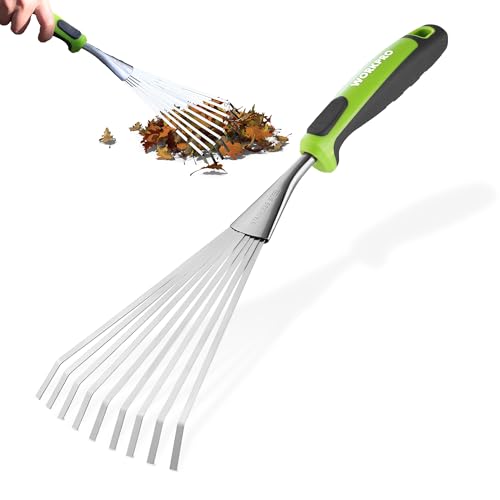
- Steel garden rake for leaves 24 inch with soft grip
- Lawn sweeper for leaves 42 inch wide
- Leaf mulch vac shredder 2-in-1 with collection bag


Before You Start
Assess your yard size, leaf volume, and surface types (lawn, gravel, mulch beds). Wear safety glasses, hearing protection, and sturdy gloves. Check local bagging or yard waste regulations before disposal. Time estimates vary: small yards may take 30–60 minutes; larger properties can take several hours. Lock the driveway or sidewalk to keep children and pets away, and never operate power tools near water or on wet surfaces.
Step-By-Step: How To Get Rid Of Leaves
- Clear a path: Remove obstacles such as garden hoses, toys, and tools from the area you’ll be working in to prevent tangling or trips during cleanup.
- Choose your primary method: For dense leaf piles, a gas powered leaf blower with vacuum mulcher can gather and mulch; for lighter piles, a corded electric leaf blower with vacuum and mulch suffices.
- Start at the perimeter: Blow leaves from the edges toward the center of the yard or into a designated leaf pile, working methodically to avoid missing sections.
- Engage vacuum and mulch functions: Switch to vacuum mode after gathering, allowing shredded leaves to mulch directly into the collection bag or compost bin.
- Use a rake for stubborn areas: A 24-inch steel garden rake helps lift leaves from under shrubs or along fence lines where blowers struggle.
- Collect and bag or compost: Empty the collection bag periodically, or transfer mulched leaves to a compost pile for beneficial breakdown.
- Deal with large areas: For wide lawns, a lawn sweeper 42 inch wide can efficiently pick up mulch and leaves without multiple passes.
- Check for remnants: Do a quick pass to catch any missed leaves in shade, under trees, or in corners.
- Dispose or reuse: Bag leaves for curbside pickup if allowed, or mulch them to enrich garden beds or compost.
- Clean the equipment: Remove debris from hoses and blades, and store in a dry place to extend tool life.
- Schedule ongoing maintenance: Plan regular sessions during heavy leaf fall to prevent buildup and lawn damage.
Troubleshooting
| Symptom | Likely Cause | Fix | Prevention |
|---|---|---|---|
| Blower won’t start | Fuel or power issue; safety switch engaged | Check fuel, battery, or cord; ensure safety switch is disengaged | Regular maintenance; proper storage |
| Vacuum clogs | Leaves too large or wet | Empty bag, remove large clumps, allow leaves to dry | Avoid wet leaf piles |
| Mulcher not reducing volume | Chip/filter clogged | Clean or replace filters | Blow or mulch in smaller batches |
| Unusual vibrations | Loose fasteners or debris in housing | Inspect and tighten; remove debris | Clean after each use |
| Rake leaves not moving smoothly | Dull rake tines | Sharpen or replace tines; check handle | Store properly to maintain edge |
Common Mistakes
- Overloading collection bags; empty frequently to avoid strain on the blower
- Raking wet leaves; wait for dryness to reduce clogging and improve mulching
- Neglecting pet or child safety zones around work areas
- Forgetting to remove leaves from lawn before fertilizer spread or seeding
Tips For Best Results
- Work in shade or cool periods to prevent leaf drying and dust
- Mulched leaves return valuable nutrients to soil; reuse as mulch or compost
- Alternate methods depending on yard layout: blend blower, rake, and sweeper for efficiency
- Test equipment on a small section first to calibrate suction and airflow
Call A Professional
Consider a professional if you face persistent equipment failures, require large-quantity leaf removal across a large property, or need routine lawn maintenance that exceeds DIY capabilities. Seek help if you notice dangerous fuel leaks, motor overheating, or significant electrical faults.
FAQ
What’s the fastest way to remove a thick leaf layer?
Use a gas powered leaf blower with vacuum mulcher to gather leaves quickly, then mulch into a bag or compost.
Can I use a lawn sweeper on uneven terrain?
Yes, but you may need multiple passes and careful maneuvering to avoid missing areas or damaging the sweeper.
How often should I clean my leaf clearing tools?
After each use, remove debris and clean air intakes to maintain performance.
Are leaves good for compost?
Yes, shredded leaves break down well and improve compost structure; mix with other greens and browns for balance.
Buying Guide
When selecting leaf-clearing tools, consider size, noise, energy efficiency, controls, and placement. For large properties, a gas powered leaf blower with vacuum mulcher offers power and versatility, but weight and maintenance are considerations. Corded electric models are lighter and quieter, suitable for smaller yards with moderate leaf volumes. A lawn sweeper is excellent for wide, flat lawns, reducing manual labor, while a leaf mulch vac shredder with a collection bag consolidates cleanup and composting in one device. Think about storage space, run-time, and the types of leaves (dry, wet, or small acorns) you typically encounter. If you prefer a single, flexible workflow, a 3-in-1 model can cover blowing, vacuuming, and mulching, making seasonal cleanup simpler and faster.