Lawn gnats can be a nuisance in yards, gardens, and around patios. They proliferate in damp, organic-rich soils and can quickly become bothersome during warm, humid months. This guide focuses on practical, natural methods that minimize chemical exposure while targeting gnats at their source.
Readers will find a clear, step-by-step approach to reduce gnats using common tools and safe products. The goal is to disrupt breeding sites, trap adults, and protect outdoor spaces without harming beneficial insects or the environment.
Quick Answer
To curb lawn gnats naturally: limit standing water, apply ecological treatments to soil and plant bases, trap adults with sticky traps, and use an electric bug vacuum for quick removal. Combine essential oil sprays with a labeled larvicide for standing water if necessary, then monitor and repeat as needed.
What You’ll Need
- 1 gallon garden sprayer for organic pest control
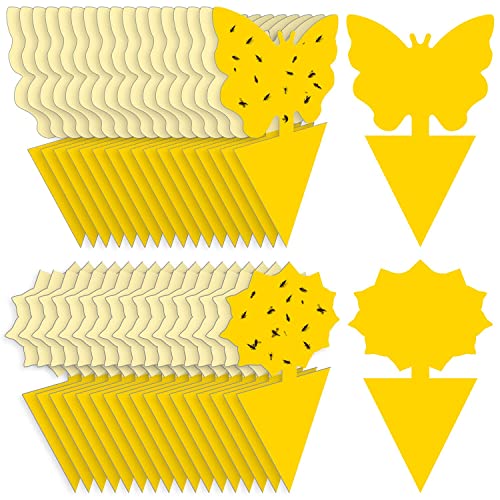
- outdoor insect traps sticky traps lawn gnats
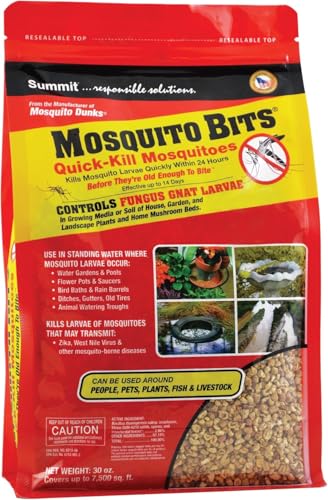
- biological larvicide BTI mosquito dunks for standing water
- electric handheld bug vacuum for flying insects
- essential oil spray mister for garden pest control

Before You Start
Assess the affected areas: lawns, flower beds, gutters, and outdoor seating. Check for persistent moisture, thatch buildup, and decaying organic matter where gnats breed. Safety first: always read product labels and follow outdoor use directions. Plan a multi-day approach since natural methods often require repeated applications and consistent monitoring. Expect peak impact after several days to a couple of weeks, depending on conditions.
Step-By-Step: How To Get Rid of Lawn Gnats Naturally
- Identify breeding sites by inspecting for damp thatch, puddles, slow drips, and clogged gutters. Mark hotspots for targeted treatment.
- Reduce standing water by draining shallow pools, fixing leaks, and improving drainage in plant beds. For persistent moisture, consider aerating soil to improve evaporation.
- Apply a soil-targeted treatment using a garden sprayer for organic pest control to prevent larvae from maturing. Follow label directions for dilution and coverage.
- Introduce a biological larvicide such as BTI mosquito dunks to standing water where gnats breed, especially in containers, birdbaths, and decorative ponds.
- Set up outdoor insect traps or sticky traps in high-activity zones to capture adult gnats and reduce mating opportunities.
- Use an essential oil spray mister with approved garden-safe oils to deter adults. Apply around plant bases, mulch, and seating areas during dry, calm weather.
- Utilize an electric handheld bug vacuum for quick removal of flying gnats from patios, porches, and garden edges. Empty the contents away from the garden to prevent re-infestation.
- Improve air circulation and sunlight exposure by trimming overgrown vegetation and opening shady spots, discouraging gnats from lingering.
Troubleshooting
| Symptom | Likely Cause | Fix | Prevention |
|---|---|---|---|
| Gnats return after treatment | Residual moisture or missed breeding sites | Reassess damp areas and reapply targeted controls | Regular drainage checks, schedule seasonal maintenance |
| Sticky traps fill quickly | High adult activity in the area | Increase trap density and relocate traps to hotspots | Keep areas dry and sunlit when possible |
| Water in planters or containers stays murky | Lack of drainage or stagnant water | Improve drainage, wipe containers, and refresh standing water sources | Choose containers with drainage holes and clean regularly</ |
| Poor effectiveness of essential oils | Low concentration or environmental dilution | Increase frequency within label limits and reapply after rain | Test in small area first to ensure plant compatibility |
Common Mistakes
- Relying on a single method; gnats thrive when multiple breeding sites exist.
- Overwatering landscapes or failing to fix drainage issues.
- Poor placement of traps or inconsistent reapplication of natural repellents.
- Ignoring safety guidelines on garden products or using incompatible oils near edible plants.
Consistency matters. Combine cultural changes with targeted tools for best results, customizing the approach to local climate and yard layout.
Tips For Best Results
- Water plants early in the day to allow foliage to dry; damp nights favor gnats.
- Mulch thinning and regular lawn mowing reduce moist habitats that gnats favor.
- Rotate between different control methods to prevent gnats from adapting.
- Label each product clearly and store safely away from children and pets.
- Coordinate outdoor activities with treatment schedules to maximize effectiveness.
Call A Professional
Consider consulting a licensed pest control professional if gnats persist after several weeks of natural control, or if the infestation extends to indoor spaces, drains, or large water features. Stop signs include widespread swarm activity, high moisture levels that won’t drain, or the presence of other pests that require integrated pest management beyond home methods.
FAQ
Do lawn gnats stay indoors?
Most lawn gnats stay outdoors, but they can enter open doors or windows, especially in humid conditions.
Are essential oils safe for pets?
Some essential oils can irritate pets. Use oils labeled as pet-safe and avoid direct contact with animals. Always follow product directions and consult a vet if needed.
How often should I apply BTI mosquito dunks?
Follow the product label for frequency, typically every 1–3 weeks in standing water during active breeding seasons.
Will mowing and pruning help reduce gnats?
Yes. Reducing dense vegetation and ensuring better airflow can disrupt gnats’ nighttime resting spots and breeding sites.
Can I use a bug vacuum indoors?
Electric handheld bug vacuums are generally for outdoor use; follow the manufacturer’s guidance for indoor use and safety.
Are there natural predators that help?
Beneficial nematodes and certain predatory insects can help in some settings, but efficacy varies by environment.
How long does it take to see results?
Natural methods typically show noticeable improvements within 1–3 weeks, depending on conditions and consistency of application.
Buying Guide
Choosing the right tools and products to tackle lawn gnats naturally involves evaluating several factors. Size matters when selecting sprayers and traps; larger yards may benefit from higher-capacity options. Noise levels matter for close-quarters patios or decks; opt for quieter devices when possible. Energy efficiency is relevant for any electronic device used repeatedly, such as bug vacuums. Controls and ease of use influence how consistently you can apply treatments in outdoor spaces. Finally, consider placement and versatility: products that work around planters, water features, and seating areas offer more comprehensive protection. When comparing options, consider how each tool aligns with your yard’s size, water features, sun exposure, and typical gnat activity to achieve balanced, natural control over time.